Written for and published by Africa’s Eden Magazine Edition 3
A week on safari in Zambia’s wildest valley revealed not just leopards, lions, and elephants but also a powerful story of people, places, and conservation.
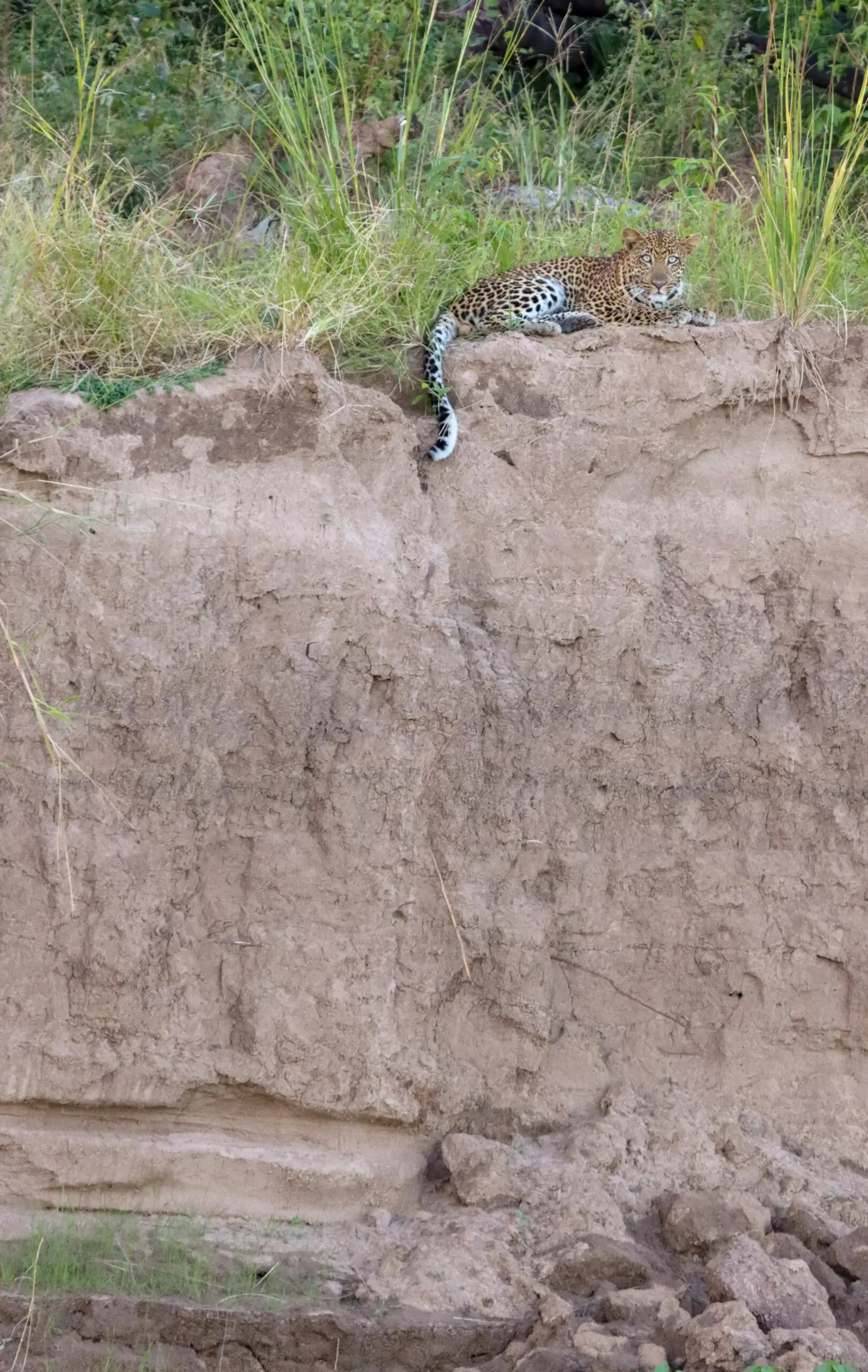
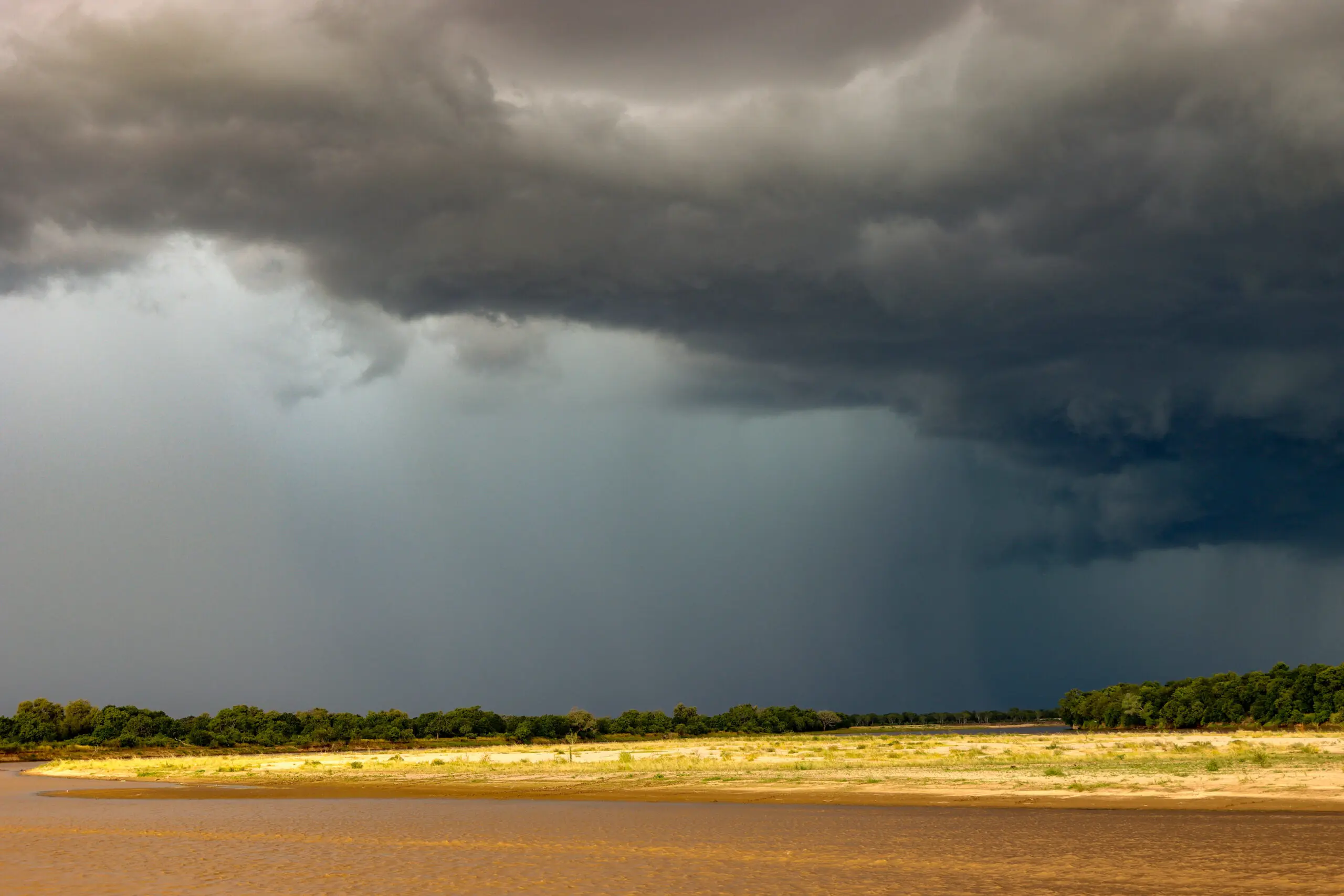
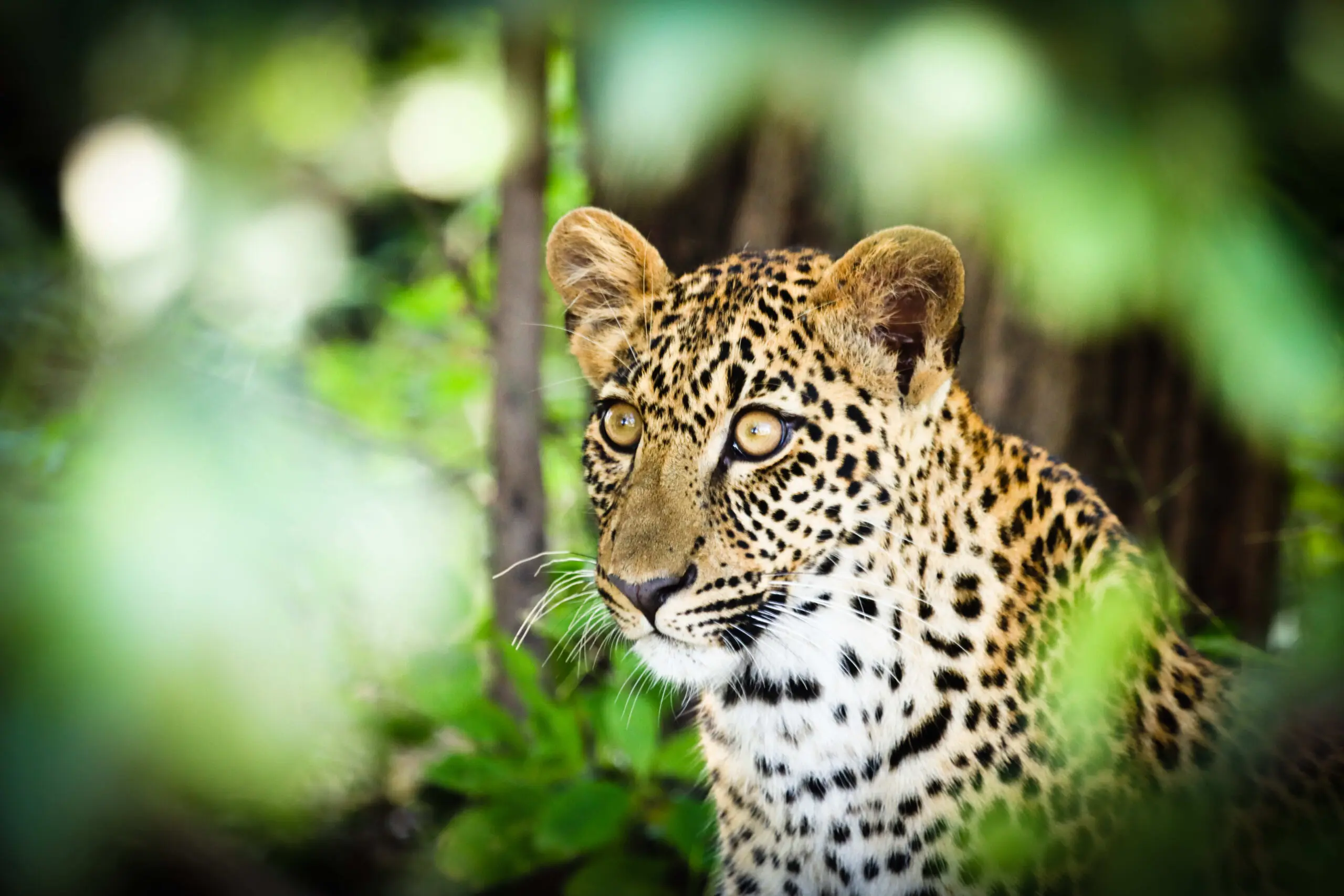
“Leopard!” Gareth Jones had spotted the languorous male first. His voice cut through the late afternoon like a bolt of lightning from the summer storm gathering on the horizon. We followed his gaze to where the leopard lay on the edge of the high bank. Its long tail hung down toward the river in a loose curve. It watched us with heavy-lidded eyes.
“He’s known as Scruffy,” said guide Rogers Shawa, who had taken us for a late afternoon cruise from Chikunto Safari Lodge in Zambia’s South Luangwa National Park. Soon, as summer segues into winter, the boat would be packed away, and the wide ribbon of water carving through the valley would become a trickle.
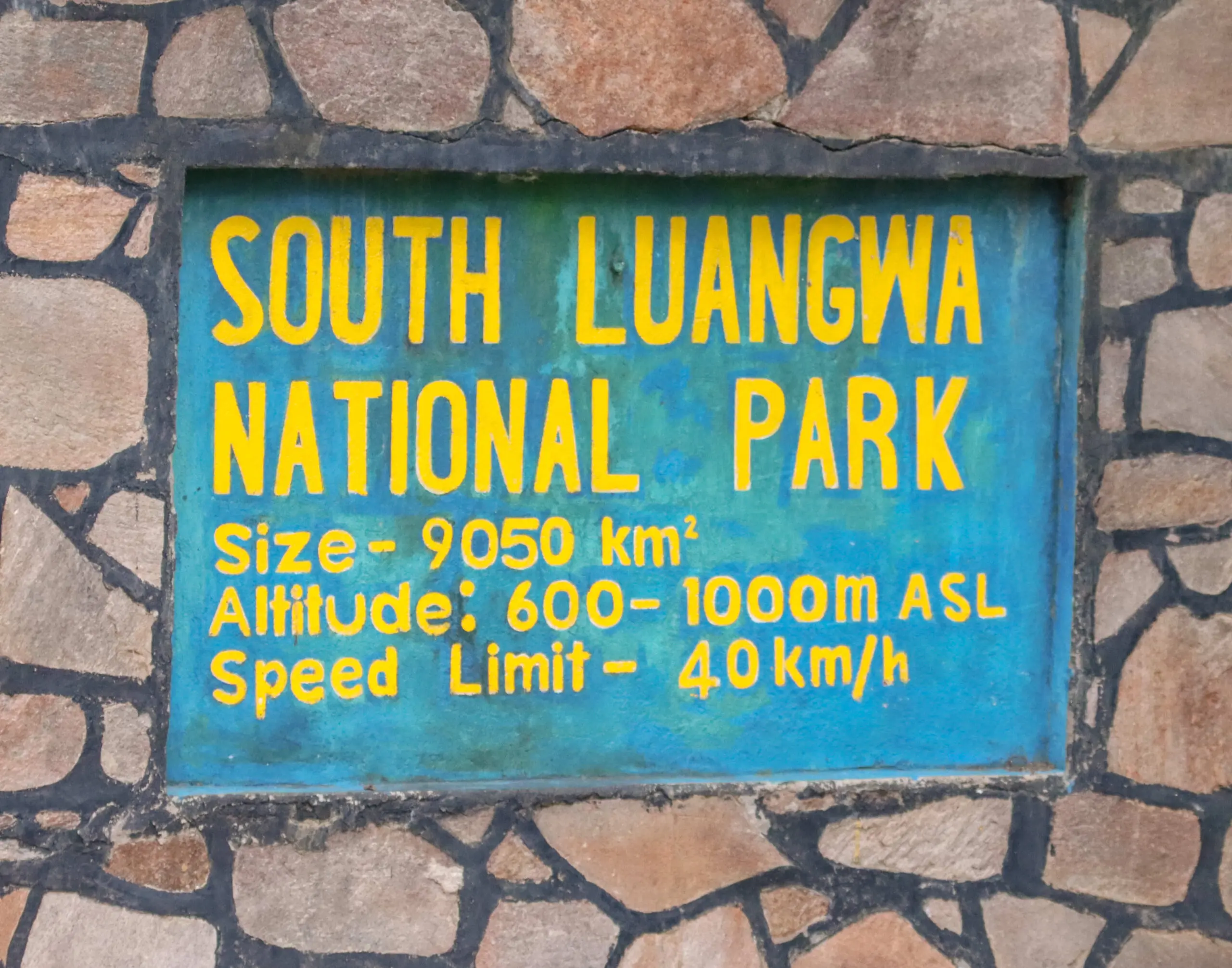
This is South Luangwa in April. The heavy rains that make much of the park inaccessible between November and May are almost over. The mud probably won’t bog your game-drive vehicle down, and the lush bush hums with life as everything feeds, breeds, and makes the most of this season of plenty before the dry months set in.
Drifting on the current, we watched the leopard for a long, breathless moment. Then, with an unhurried stretch, it rose and sauntered out of sight. It was a fleeting glimpse of something wild and beautiful — not just the cat, but the valley itself.
Life in the Valley of the Leopards
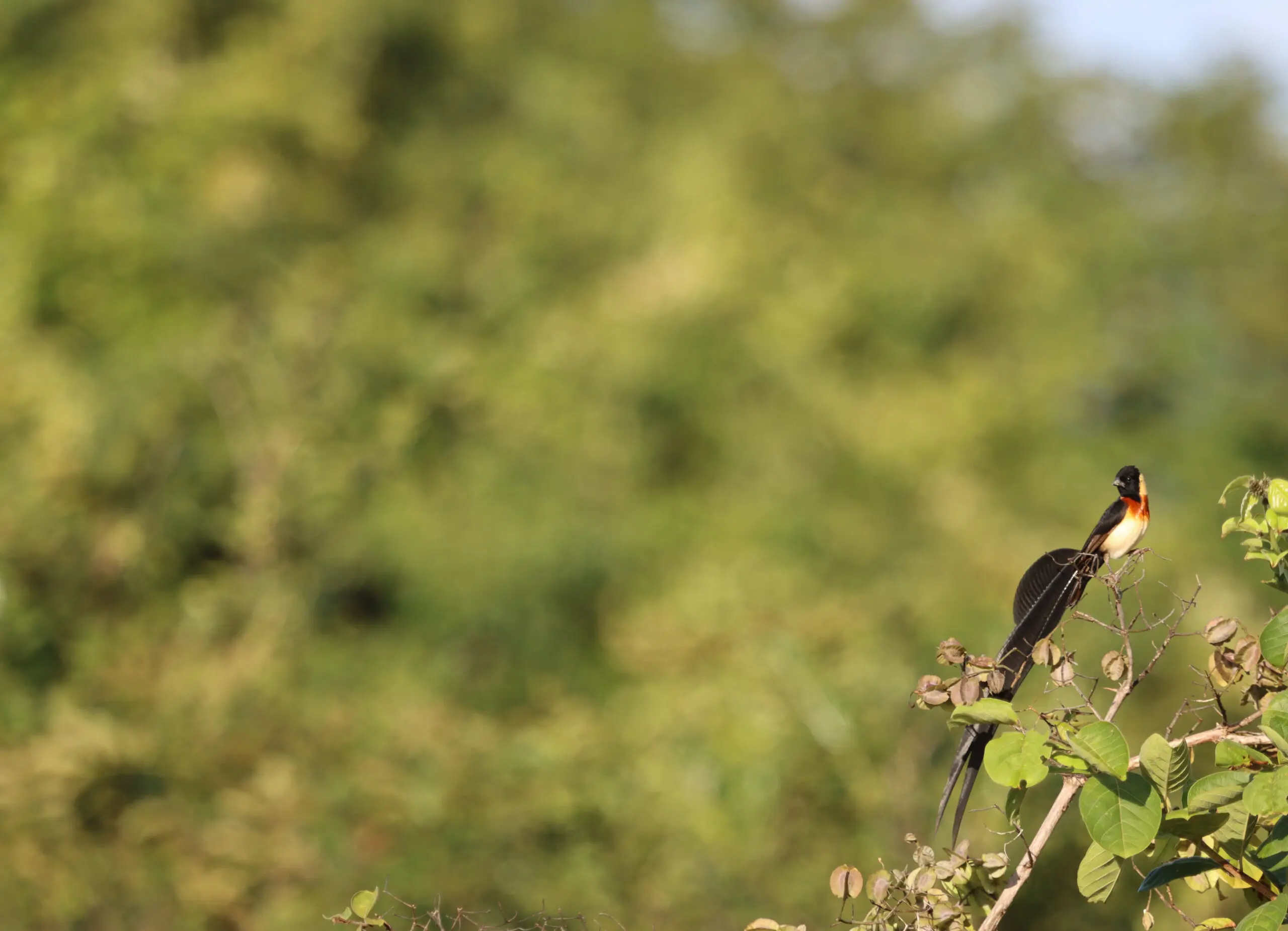
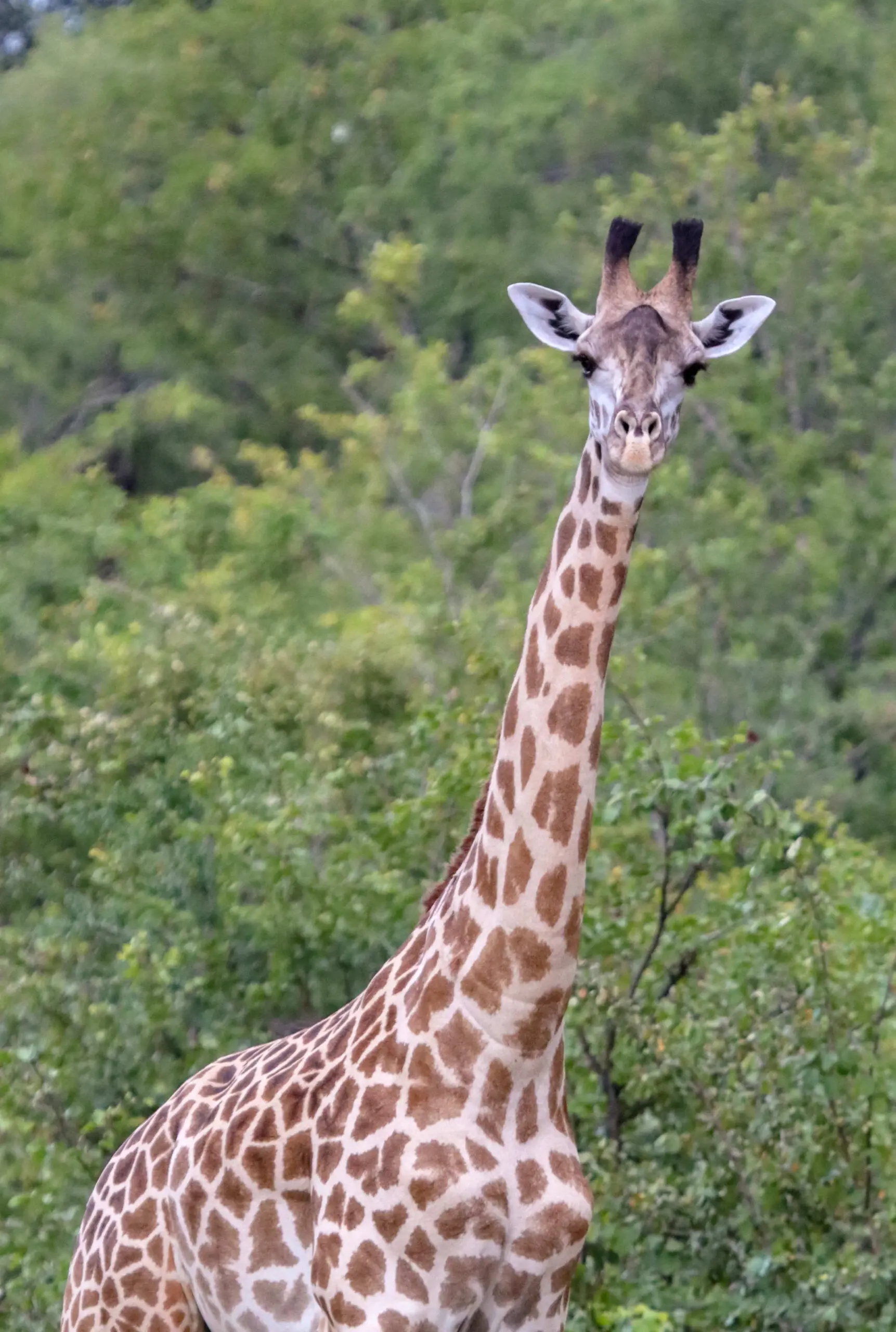
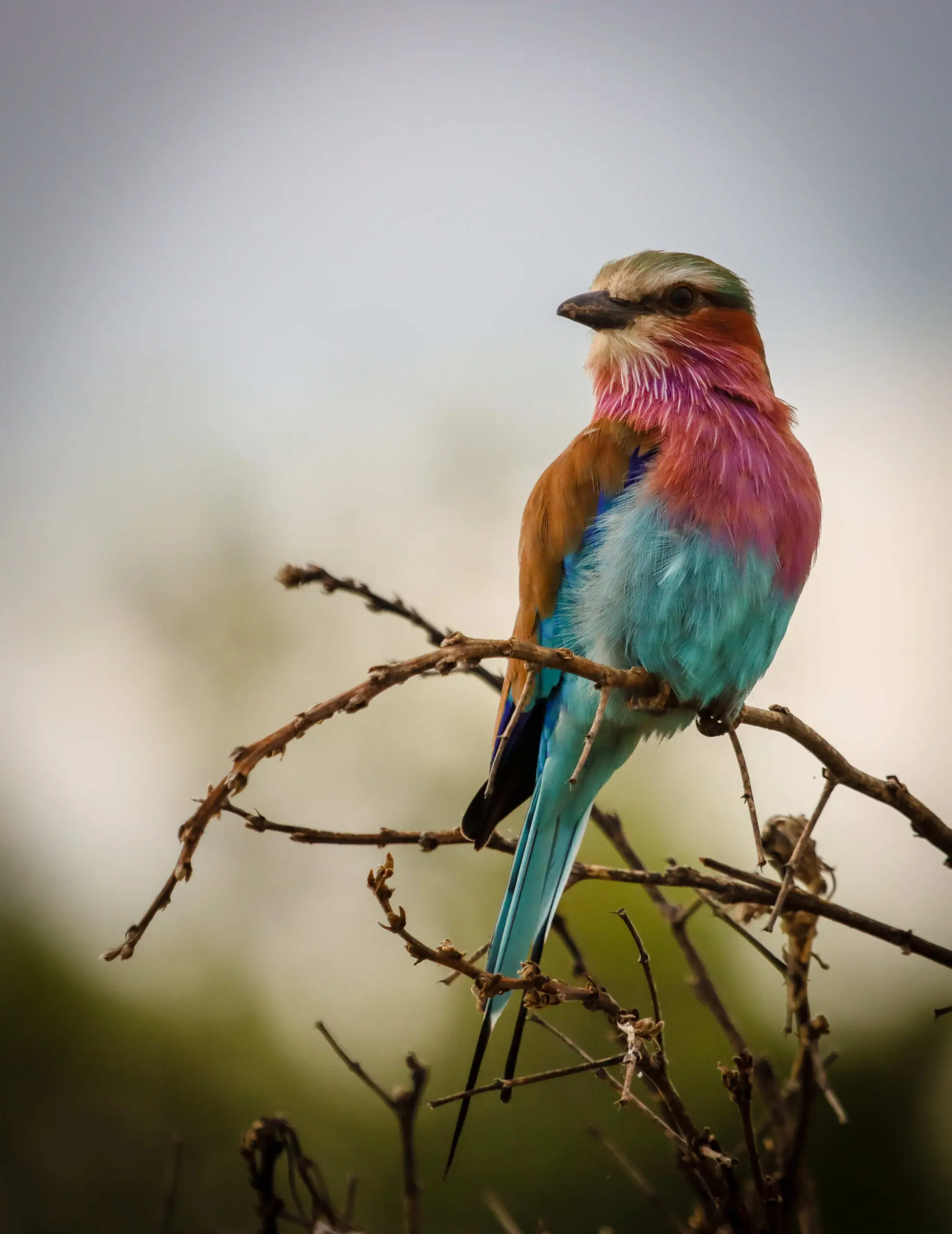
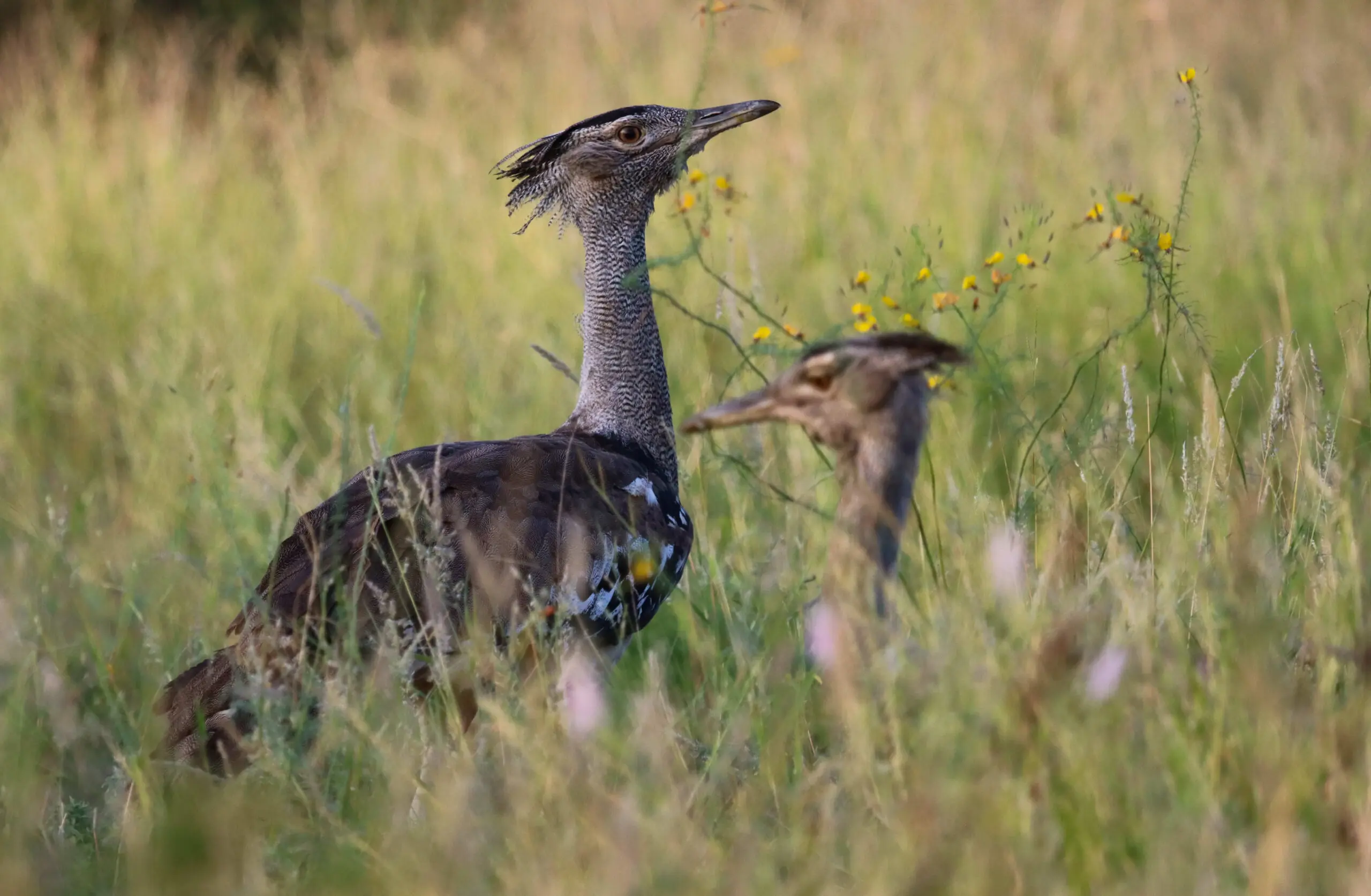
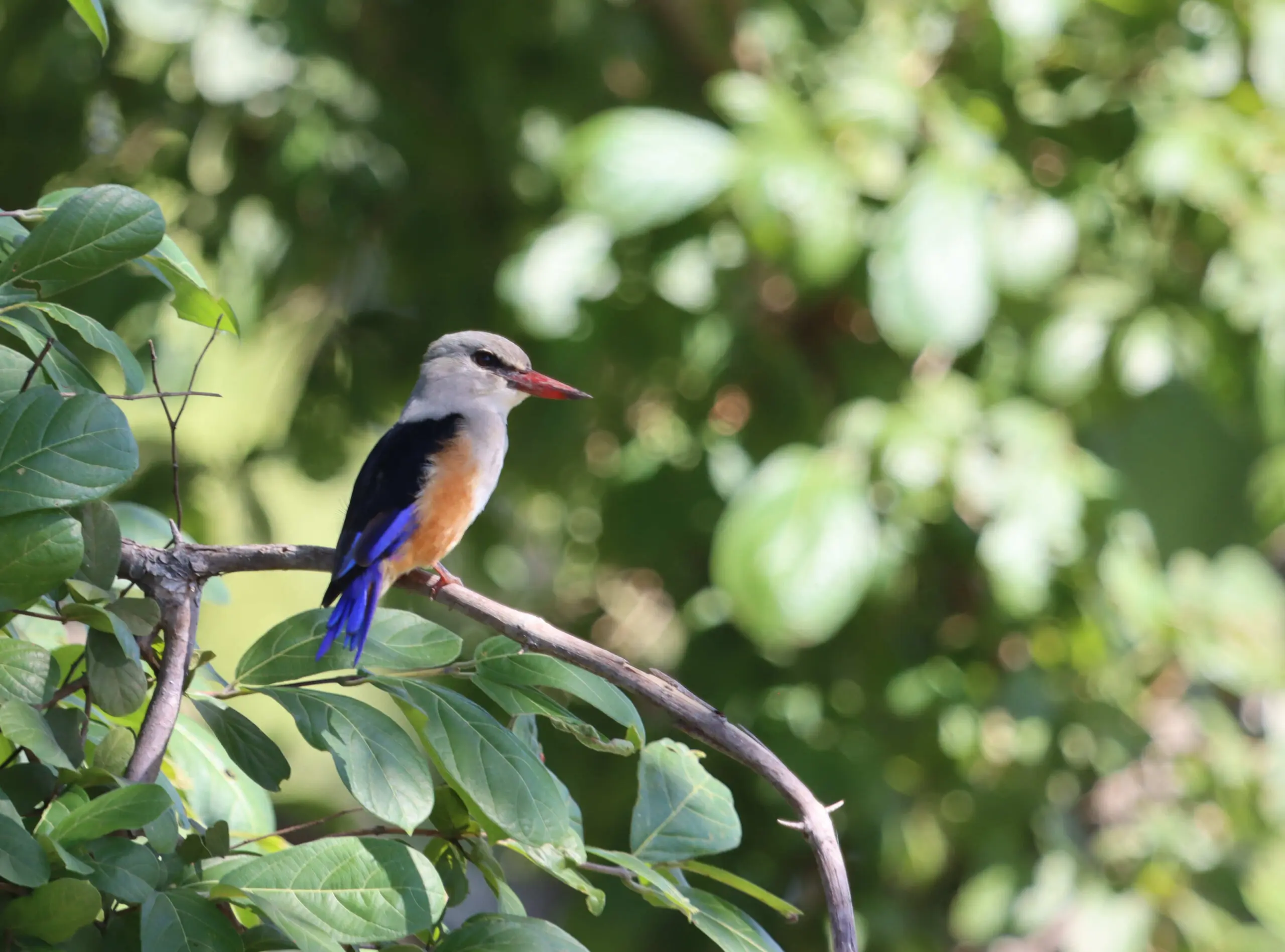
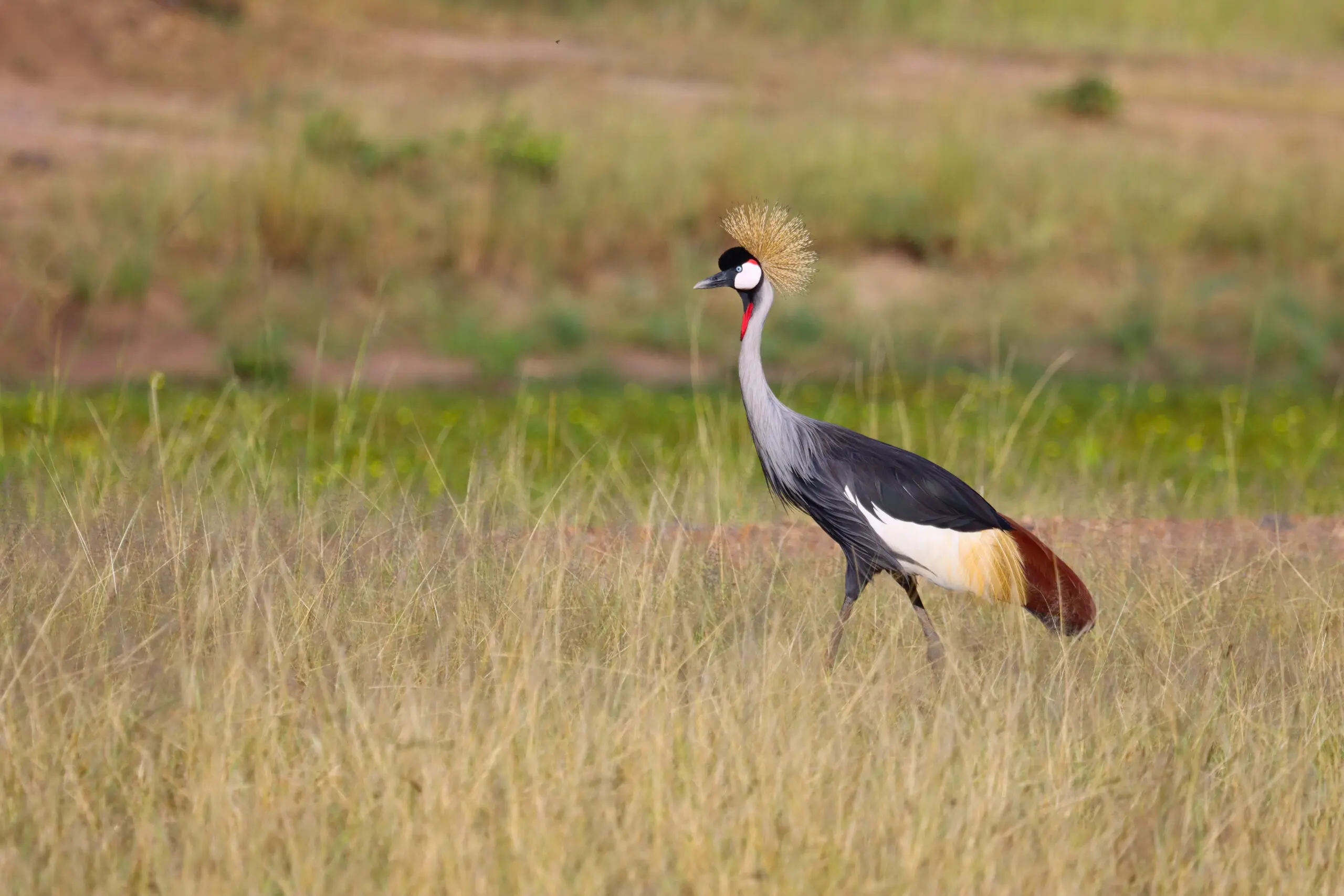
Sightings like this underscore South Luangwa as one of Zambia’s wildlife heartlands. While known as the Valley of the Leopards, the park also has the highest number of wild dog packs in any Zambian national park and is home to endemic Thornicroft’s giraffes. More than 500 bird species are either permanent or seasonal residents.
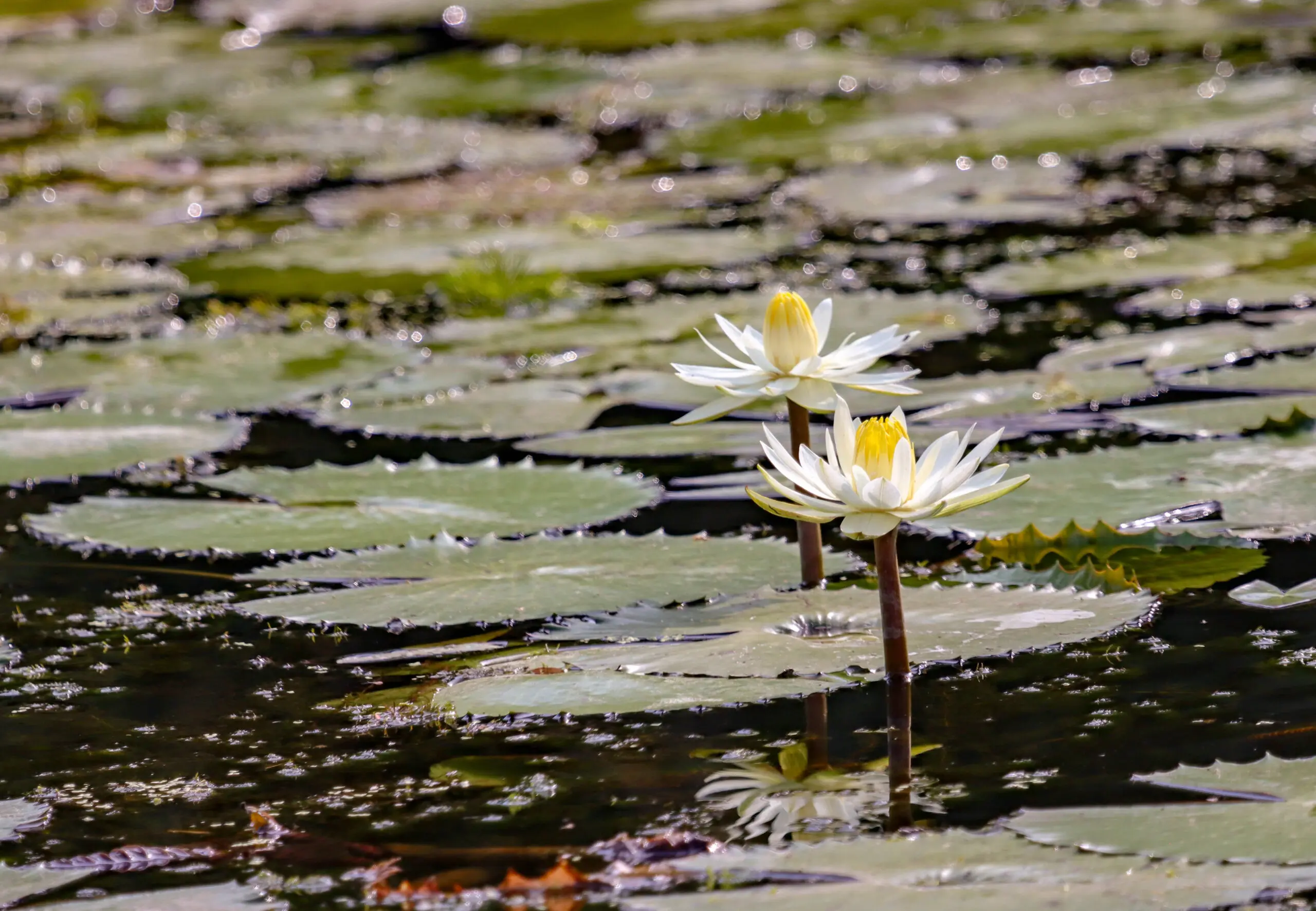
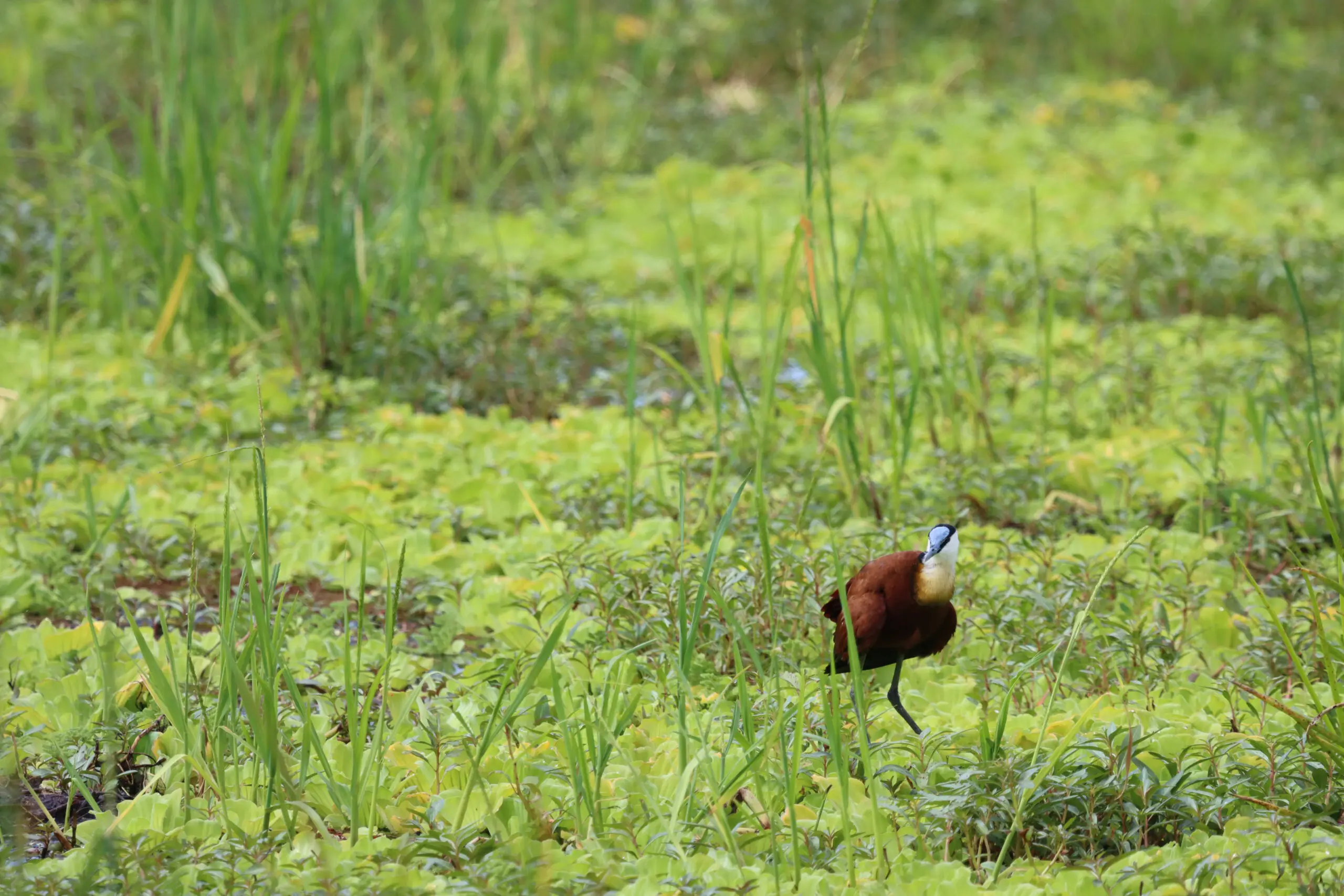
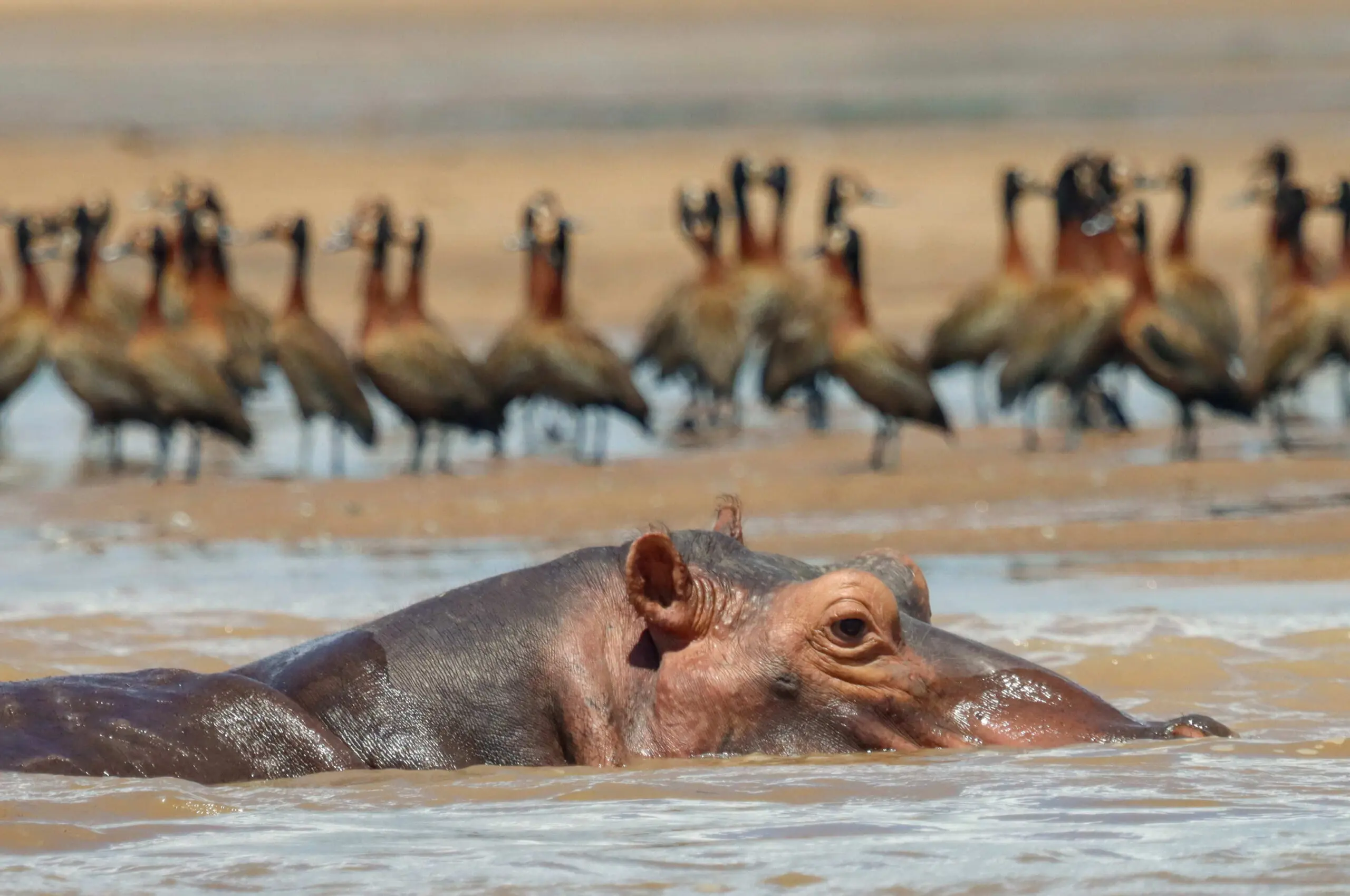
Most of the park lies west of the Luangwa River, yet it is part of the greater Luangwa Valley ecosystem, including four national parks, several game reserves, and extensive game management areas. Its dramatic beauty owes much to ancient tectonic forces that fractured the Earth’s crust, causing the land to sink between towering escarpments and leaving behind a vast basin. Over time, the Luangwa River carved its way through the valley floor, braiding and meandering to form seasonal oxbow lagoons and ponds brimming with hippos, floating water lettuce, and darting jacanas.
Over time, the Luangwa River carved its way through the valley floor, braiding and meandering to form seasonal oxbow lagoons and ponds brimming with hippos.
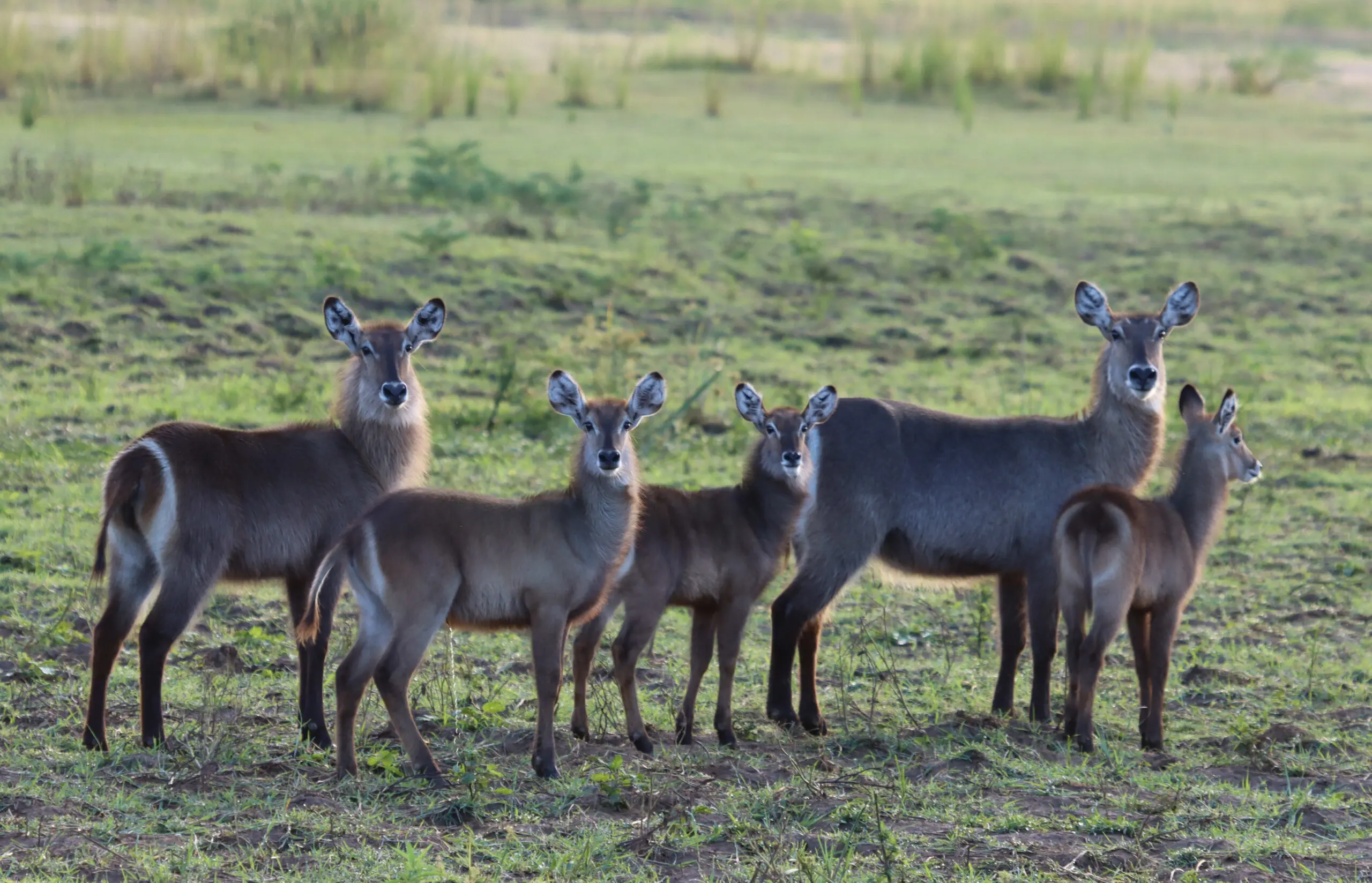
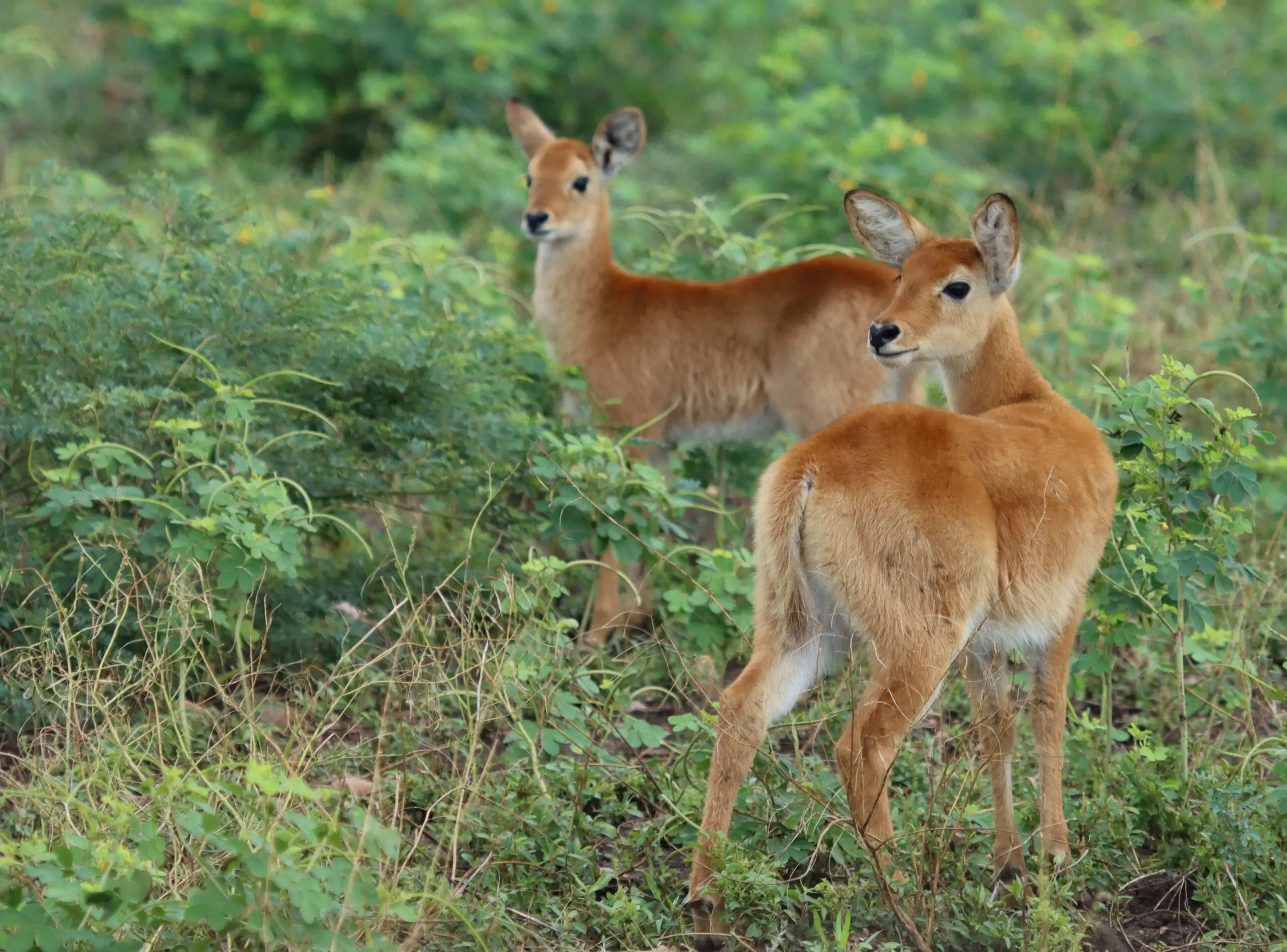
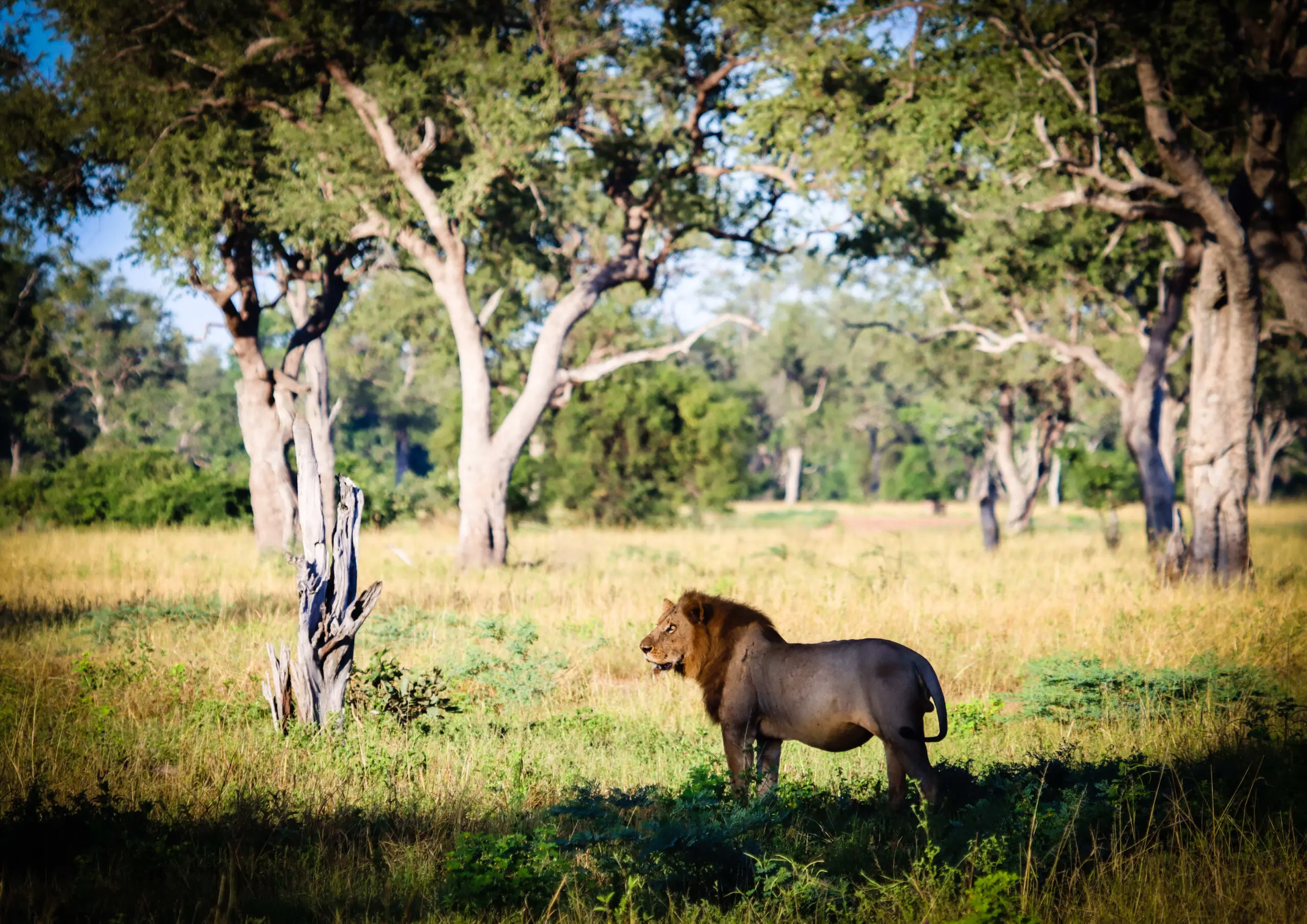
In summer, the park’s swampy meadows and floodplains (dambos) are alive with elephants, buffalo, and openbill storks. General game and predators spread across varied habitats, from puku in the open grasslands and kudus in the mopane woodlands to leopards in the riverine thickets and lions dotting the termitaria-studded plains. White-fronted bee-eaters nest in holes in the river’s steep sides, hippos wallow in deep pools, and crocodiles bask on its sandy banks.
In winter, the landscape transforms as wildlife gathers around shrinking water sources. Impalas feed on the burgundy flowers of sausage trees, southern carmine bee-eaters nest in massive colonies, and hippos wallow in the mud—until the towers of rain clouds return and the dramatic cycle begins again, familiar but never quite the same.
Roots in the Land: A History of Coexistence
Generations of coexistence between humans and wild animals have also shaped the valley’s story. Long before the first safari vehicles rolled into what is now Zambia’s second-largest national park, the Kunda people lived here, closely attuned to the rhythms of the land. The area’s tsetse flies transmit trypanosomiasis, or sleeping sickness, which mainly affects livestock. As a result, the area was never used for farming cattle and goats, allowing wildlife to thrive.
Kunda, and then commercial hunters, slowly made way for conservation and ecotourism, and in 1972, South Luangwa was officially established as a national park in Zambia. People cannot live within national parks, which are designated strictly for the protection of wildlife and natural ecosystems. However, Zambia has vast game management areas, which serve as buffer zones surrounding each national park. Wildlife moves freely between the park and the game management areas, but the latter allows human habitation and activities such as farming, fishing, and the limited use of natural resources.
“You can tell where there were settlements because of the cassia trees,” explained Keyala Phiri, known as Kiki. His father was a ranger in the early days of the park, and he grew up in Mfuwe, the small town outside the main entrance. Many guides, rangers, and lodge staff share similar stories: they are from the area and were influenced by fathers or uncles who forged careers in tourism and conservation. As a senior executive at Robin Pope Safaris, Kiki is frequently office-bound, but he hasn’t lost his love of this wild land that was nurtured by years of working as a guide. And when he gets a chance to take guests out, magic happens.
Slow Safaris: The Art of the Walking Experience
The sky had that deep blue hue photographers love when Kiki calmly stopped the vehicle and raised his binoculars: Pel’s fishing owl! These huge, elusive birds were high on my safari wish list. Considered locally rare, they need undisturbed, forested riverbanks and large bodies of water for hunting. It swooped silently down from its dead tree perch and disappeared over the lagoon. “Well, there you are,” he said with the knowing smile of someone who understands that the valley always rewards patience.
We spotted a second one as we pulled away from the riverbank in the boat Robin Pope Safaris’ Nkwali Camp uses to ferry guests in and out of the park when the water is high. Back at my open-fronted chalet, listening to a wild symphony of nightjars, frogs and crickets, I reflected on Kiki’s quiet expertise and nature’s generosity.
The park’s tourism model is largely credited to Norman Carr, a visionary game warden who championed community-based conservation and launched the first non-hunting safaris in the valley. Along with a monument, his philosophy endures in the park’s emphasis on low-impact, community-engaged tourism, with guests as often on foot as in vehicles.
The thrill lies in the potential for encounters with big game but also the small details: the scent of wild sage as you brush past a fragrant bush or the imprint of a lion's paw in the dirt.
The valley is known for intimate, immersive walking safari experiences that take place from lodges or rustic bush camps, led by experienced guides and armed scouts. In early May, many of these lodges, which are closed during the wet season, begin to open for the 5 or 6 months when their operating areas are accessible. Some sit deep within the park, while others lie along its edges in the game management areas.
While many offer walking as a quintessential South Luangwa activity, some specialise in these somatic studies in silence and presence, guiding guests through the landscape as participants, not just observers.
A New Generation of Stewards
South Luangwa’s tourism model, including lodges and camps, continues to evolve, supported by a passionate community of international conservationists and safari enthusiasts who helped establish the region as one of Africa’s premier wildlife destinations. Their contributions laid the groundwork for more Zambians — trained, mentored, and supported through tourism revenue and conservation programs — to continue this work as guides, lodge managers, scientists, and community advocates.
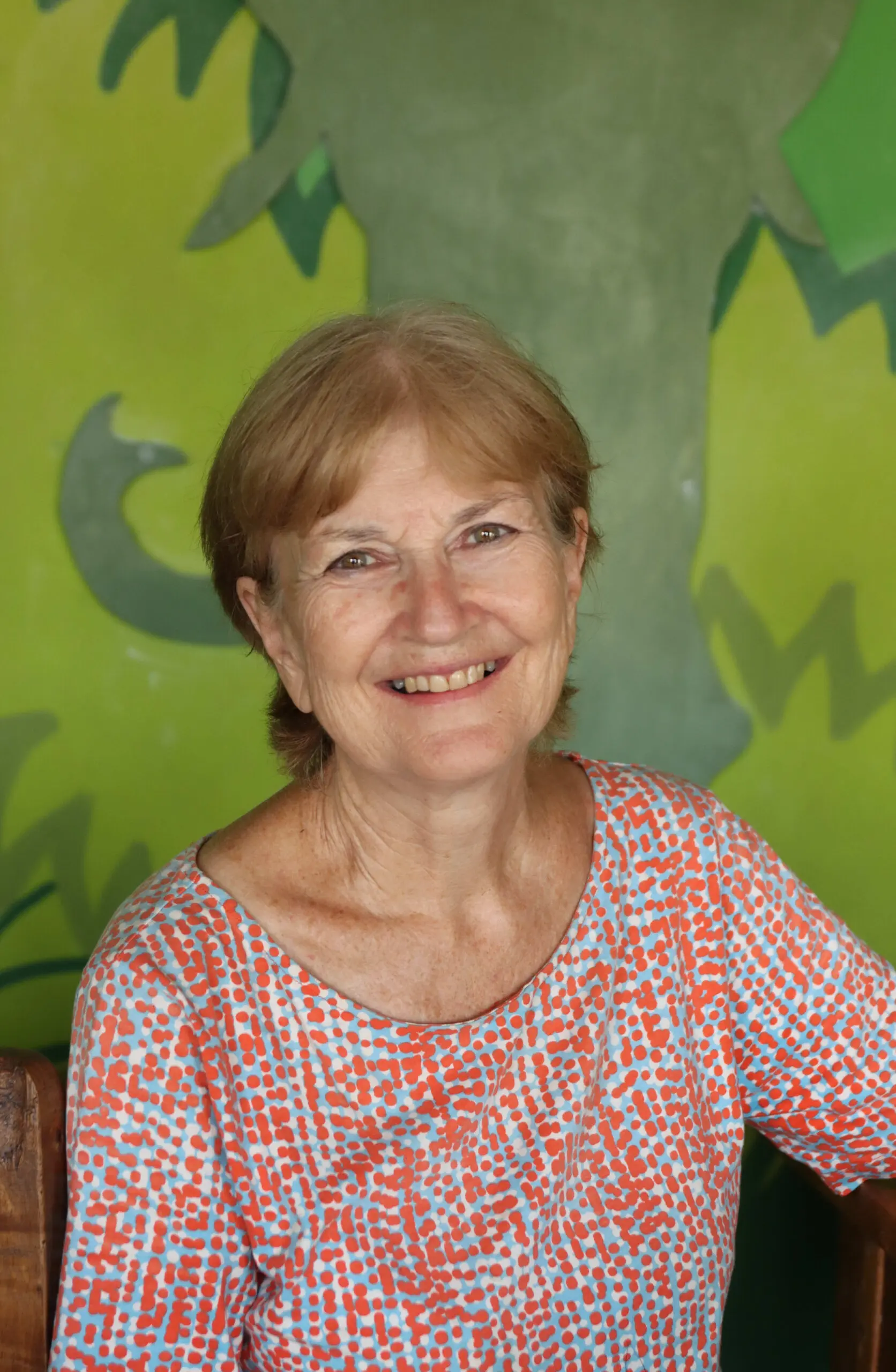
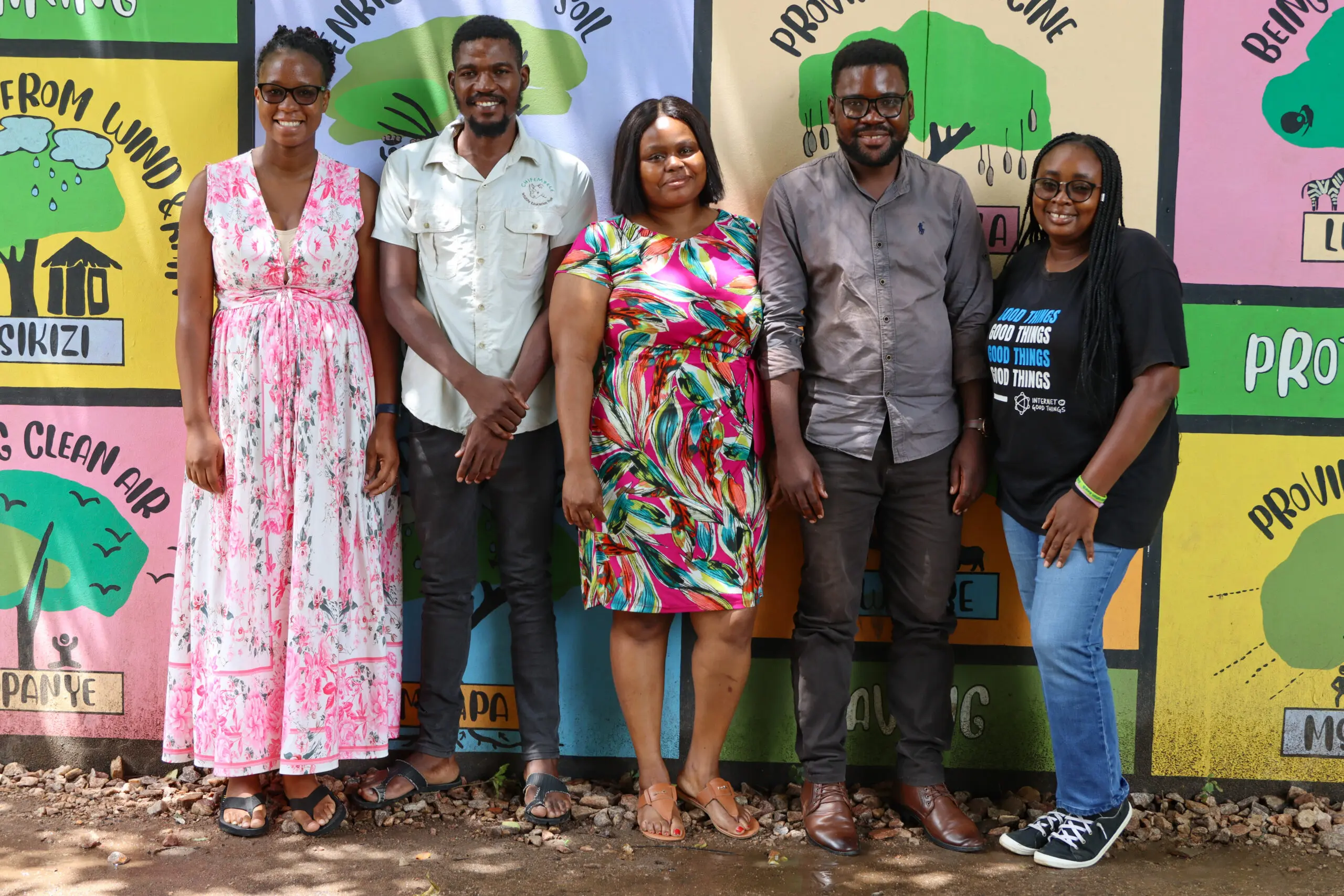
“It’s not about us. It’s about the next generation. They are the ones who must lead,” said Anna Tolan, whose education NGO Chipembele has helped young people from Mfuwe excel in conservation careers through mentorship, scholarships, and unwavering belief in their potential. Chipembele alums include Thandiwe Mweetwa, who is now the Landscape Manager for the Frankfurt Zoological Society in Nsumbu National Park, and Samson Moyo, a wildlife filmmaker who has worked with international broadcasters and production companies, including the BBC, National Geographic, and more.
Tolan believes developing local talent is vital for the valley’s long-term future. Like many protected areas in Africa, South Luangwa faces mounting pressures: poaching, illegal wildlife trade, deforestation, human-wildlife conflict, climate change, and infrastructure development.
Recognising these challenges, lodges and safari camps formed the Luangwa Conservation and Community Fund. This pioneering collaboration channels tourism directly into long-term, sustainable solutions for people and wildlife. Participating lodges contribute a per-guest, per-night levy, which is pooled and disbursed to several registered non-profit organisations.
The Challenge of Coexistence: Lions and Elephants
The non-profit Conservation South Luangwa (CSL) uses this funding in partnership with the Department of National Parks and Wildlife. Renowned ranger Benson Kanyembo heads much of this work, coordinating patrols, managing rangers, training, and overseeing operations that straddle South Luangwa National Park and the surrounding game management areas. His path into conservation was shaped early, growing up in Zambia’s Copperbelt before moving to a rural village where he witnessed the impacts of poaching. “I thought, I need to stand up and do something,” he recalls.
When Benson first joined CSL in 2009, there were only 30 community scouts. There are now almost 120 trained rangers. The work is dangerous and relentless. “When you go out there, the elephants and the lions, they don’t care whether you are a ranger. And then you have the poachers themselves,” he notes.
CSL also collaborates closely with the Zambian Carnivore Programme (ZCP) on veterinary interventions for snared or injured animals and broader conservation strategies.
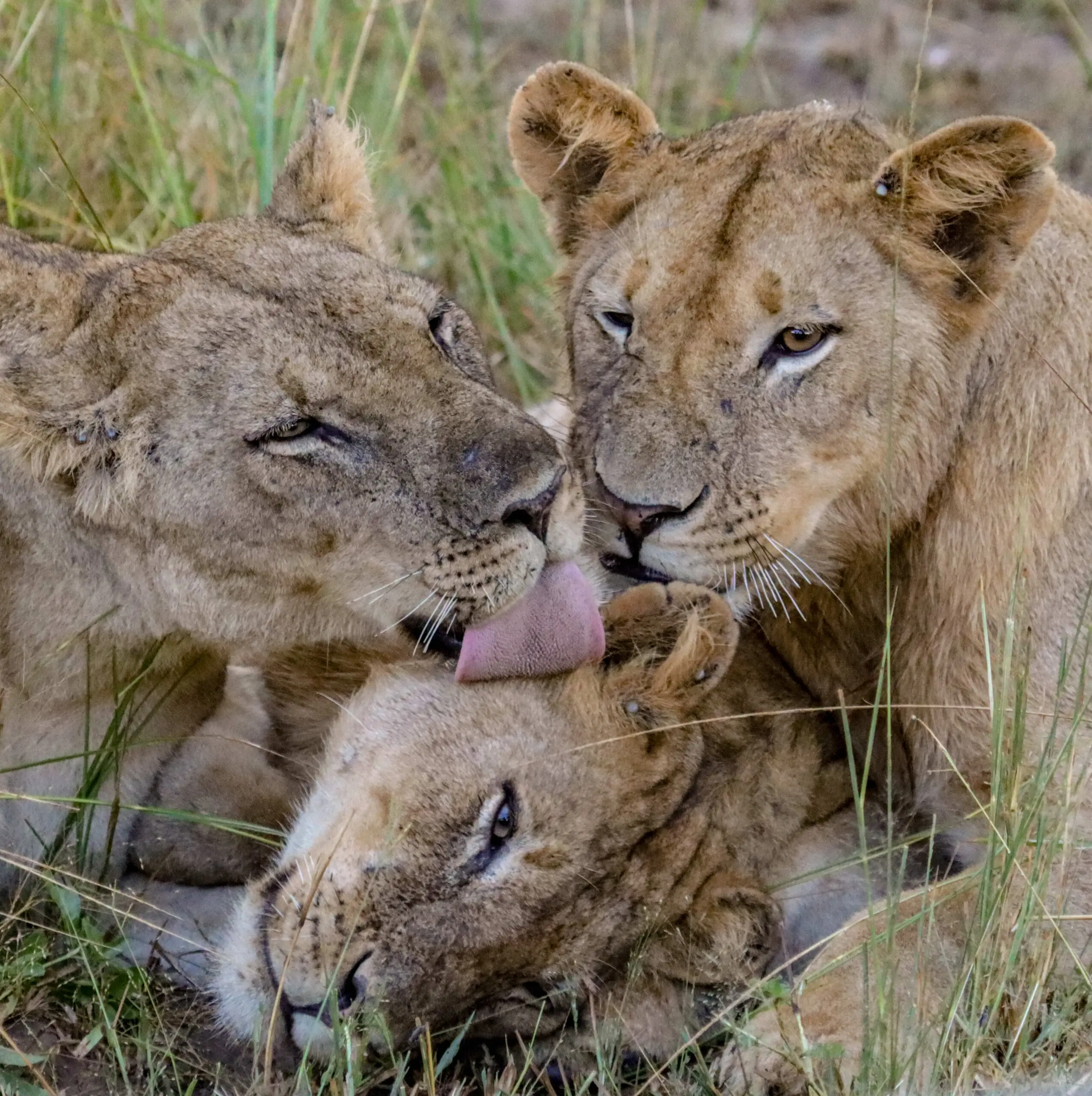
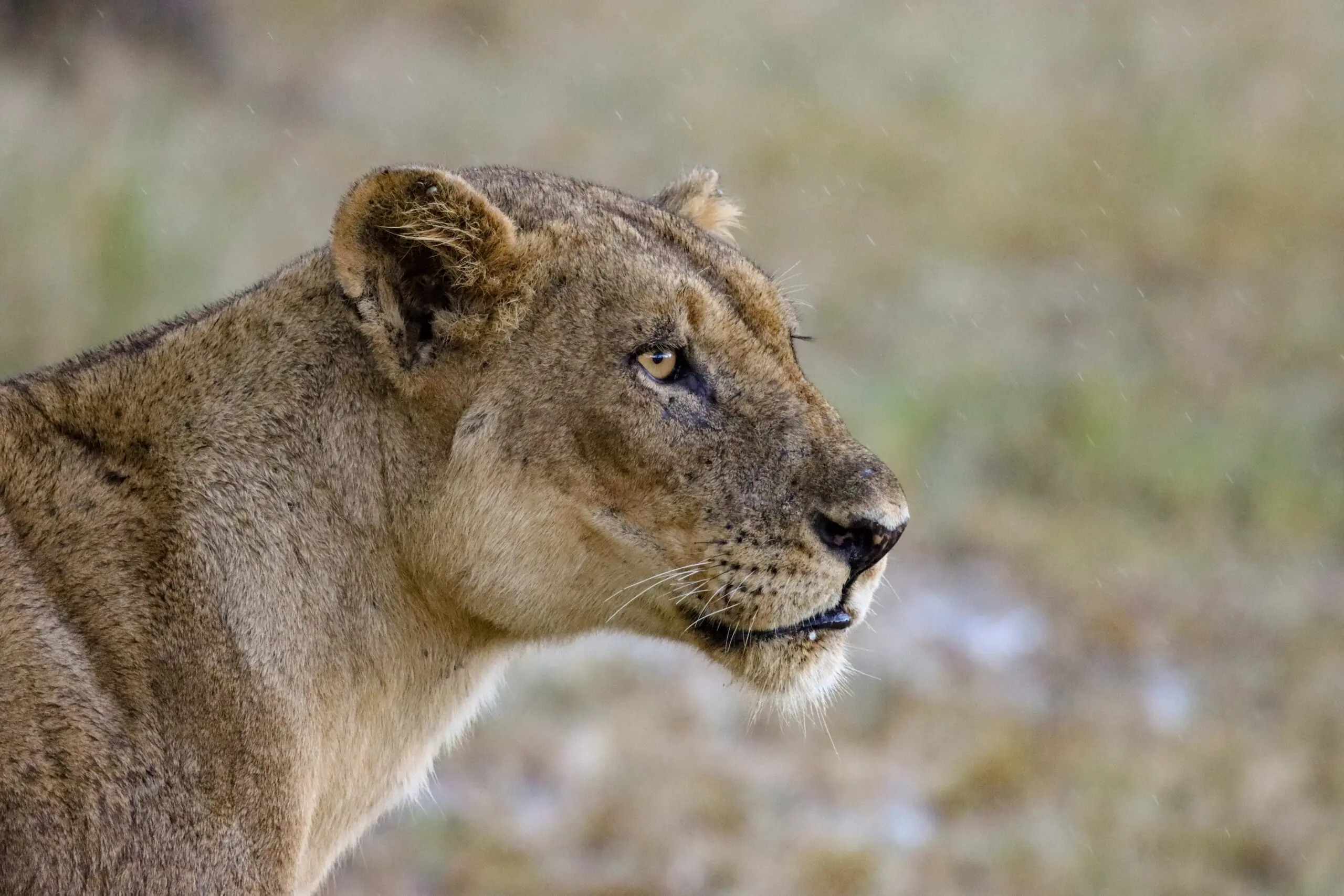
Back in the park, watching the Mfuwe pride of more than 15 lions, it was hard to believe these apex predators are vulnerable to poachers. Their tawny coats were slick and glistening from a short cloud burst. The cubs tumbled and pounced in playful bursts while the older lions groomed each other with slow, deliberate care, reinforcing bonds forged through years of shared territory and trials.
Removing snares not only saves individual lions but also supports long-term population growth and conservation efforts
“You need to do research for a very long time to understand exactly the trends,” said Henry Mwape, a Chipembele alumnus, Fulbright scholar, and project lead at ZCP. He loves lions and is proud that many ZCP team members come from local communities. “Conservation science is like the backbone,” said Henry Mwape. “Conservation action is about addressing immediate threats. Education builds the next generation. Leadership ensures sustainability.” Understanding carnivores also helps address the growing conflict between humans and wildlife. “We know just about everything there is to know biologically about lions, but what we don’t know is how to coexist with them,” Mwape said.
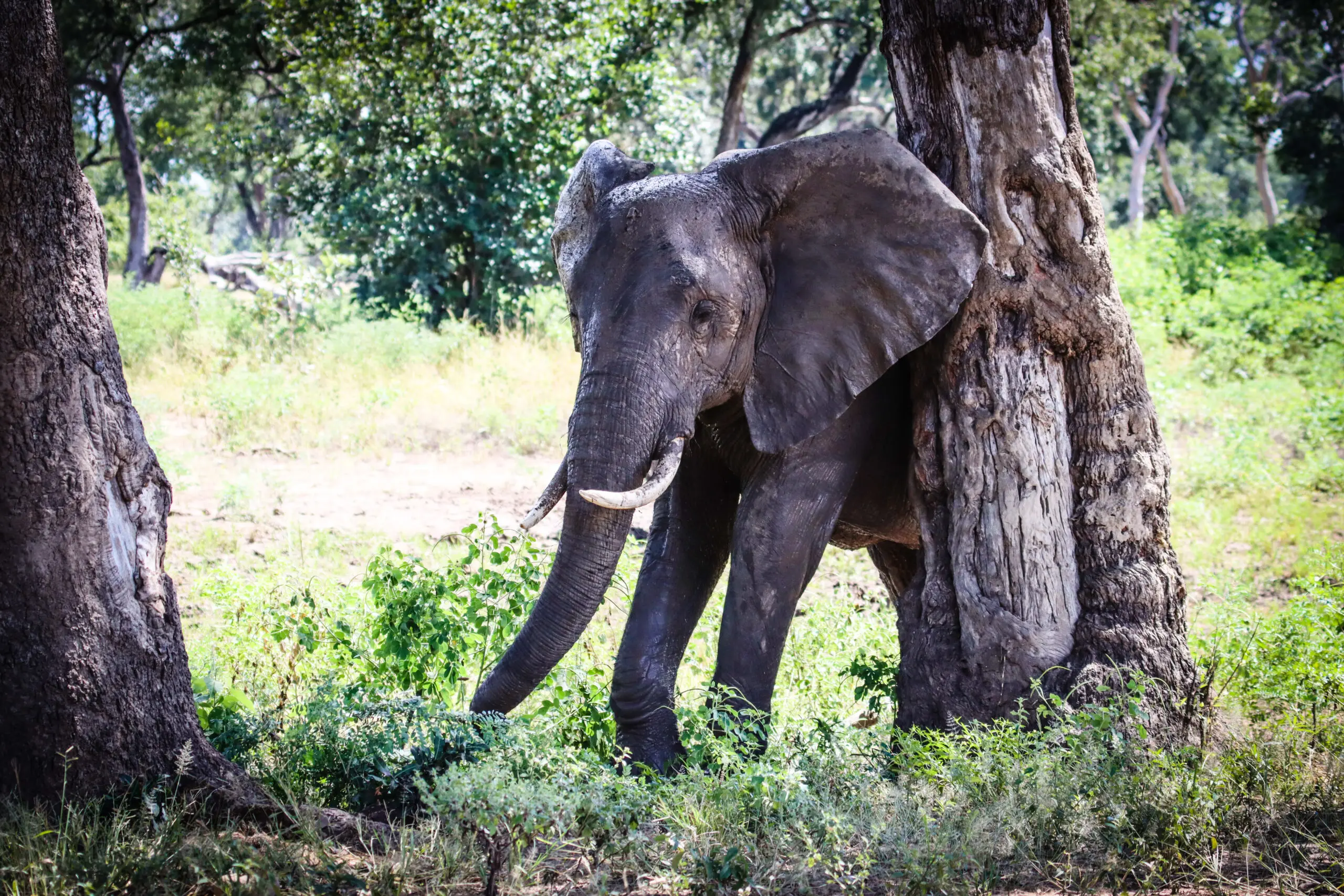
Elephants are also hard to live with. With no fences, they are frequent visitors to game management areas and raid mango fields, vegetable gardens and fields of maize, sorghum and ground nuts. Driving to Kafunta River Lodge one evening, we saw a herd crossing out of the park and into the human-occupied area just beyond. “They’re heading for the villages. Once they start on the crops, there’s little you can do,” said guide Joseph Zulu.
“If you’ve lived your whole life in Mfuwe and the only time you see an elephant is when it’s destroying your harvest, you don’t understand why these people are coming to sit and enjoy the elephants,” said Emma Robinson, who leads CSL’s coexistence work.
A Hopeful Future for Luangwa
Much of this work to improve the lives of local Zambians and sustain conservation gains is anchored in the town of Mfuwe, the main gateway to South Luangwa, which bustles with scooters, market stalls, and schoolchildren. But along with wildlife conflict, communities here also contend with economic hardship and other systemic issues. Project Luangwa helps fill social service gaps.
“We have two major aims at Project Luangwa: education and gender equality,” said Ian Macallan, who has been leading the project since 2020. While Chipembele focuses on conservation-related careers, Project Luangwa’s mandate is broader, as it sources tertiary-level sponsorship for young Zambians to attend university or college.
“There is an incredible spirit of cooperation in the valley,” said Jess Salmon of Flatdogs, a camp right at the entrance to the national park. “We’re deeply integrated in this ecosystem, source as much as we can locally, and support Project Luangwa, CSL, ZCP and Chipembele because we’re all connected here,” says Salmon. “It’s about building resilience—for our business, people, and the park.”
Most travellers, dazzled by the wild beauty of South Luangwa, don’t see this human ecosystem, but everyone contributes to maintaining it through the Luangwa Conservation and Community Fund. And they experience its results when they enjoy the area’s extraordinary hospitality and wildlife viewing because that’s still what draws people to this eastern corner of Zambia.
"The fact that there are more wild dogs in South Luangwa now, after they were nearly wiped out, is a reminder of what collaboration and sustained efforts can achieve."
At Flatdogs, guests from their early days often return with their children or grandchildren. On a drive from Chikunto, guide Rogers greeted an old friend from Germany- he’s stayed at all the lodges and keeps coming back. At Kafunta, I met a British woman who’d been visiting annually for 20 years. “Of course, she keeps coming back. This. This is life,” says Kafunta’s Martin Mbewe, gesturing to the 180-degree view of the flood plain spread out before the lodge.
Later on a drive, we came across a pack of wild dogs resting near an open vlei. Their bodies were lean, coats like brushstrokes. They’re known to be fiercely loyal and highly coordinated; each member has a role to play. I thought about how their survival depended on cohesion, shared responsibility, and the ability to adapt—a fitting symbol for this wild valley. As we left the sighting, we passed a vehicle full of schoolchildren from Mfuwe, wide-eyed at the wild world unfolding before them.