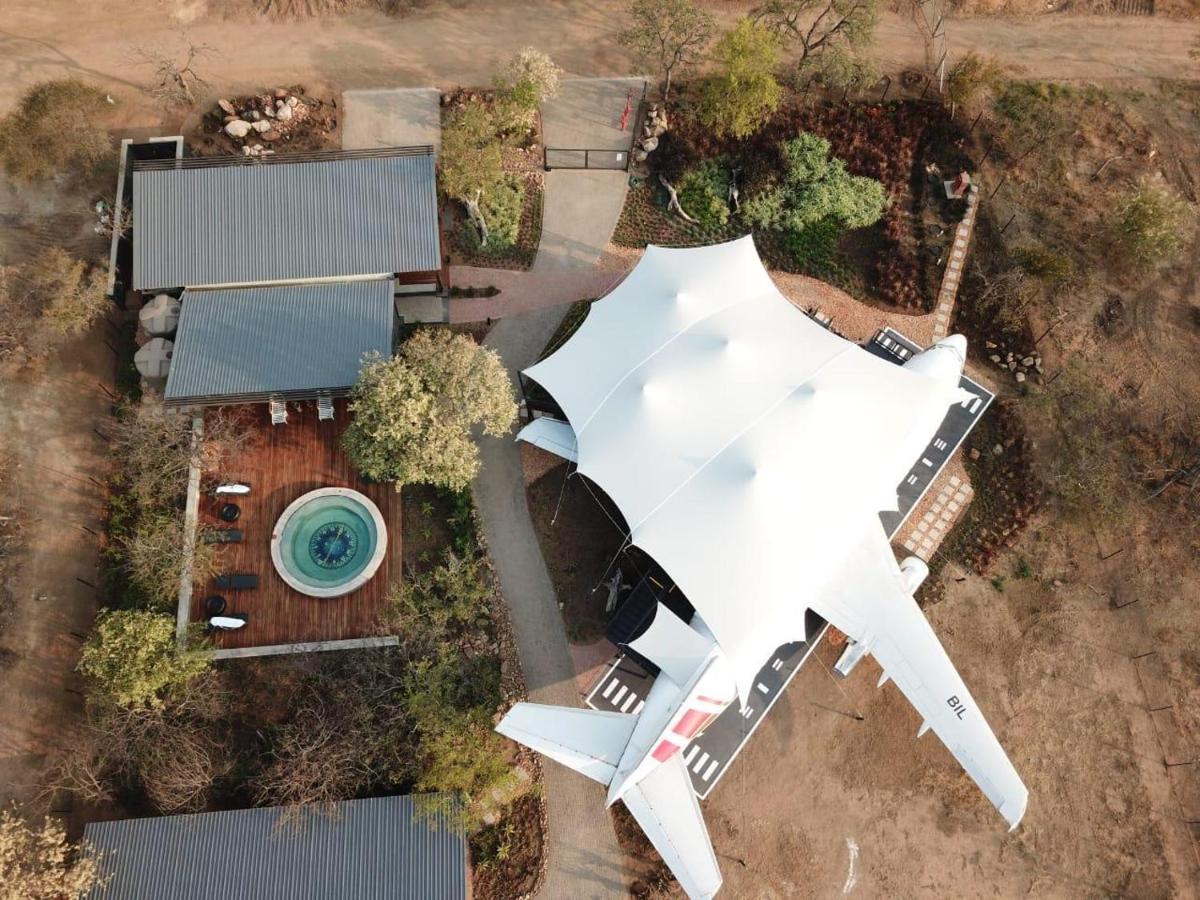
“What’s it really like?”. I’d spent a night at the Aerotel in Hoedspruit, and shared some pictures on social media. Friends in Hoedspruit were intrigued. For months we’d been driving past the retired plane that had arrived after nine long days of road travel and lots of media attention, to take up residence on Zandspruit Estate Retail area, adjacent to the Zandspruit Bush & Aero Estate.
“We’d wanted to do something like this since about 2007/8. We’d travel to airshows around the world, and there were always these graveyards of old airplanes. We felt these magnificent pieces of machinery deserved better than rusty obscurity,” says entrepreneur and now hotelier, Tracy Den Dunnen. With her property-developer husband Martin, she’s overseen every aspect of the plane’s conversion from an old ‘fluffy’ (what these planes were nicknamed in their heyday) into a boutique hotel.
Tracy is an avid traveller, at home in planes and airports around the world. Tall, poised and direct, she speaks from a place of purpose, as a woman who knows her mind.
Having met Riaan van Niekerk from CraftBespokeWorx, who upcycles parts of old plans into distinctive pieces of furniture, their ‘crazy’ idea began to gain traction. The first planes they looked at in Upington and Joburg weren’t suitable – they were too far gone for the kind of project Tracy and Martin had in mind.
Then they found ZS-BIL (the plane’s registration number) – you can view the plane’s history here – and it’s even likely Martin even flew in it once upon a time. “We knew that if we were ever going to buy an old Boeing, this was the time. If you start thinking too hard about something, you can think yourself out of it,” says Tracy, talking from the large deck that extends from the fuselage, with incredible views of Hoedspruit’s mountains to the west.
Getting the plane to Hoedspruit by road was a complex under-taking, “a bit like a giant Meccano project,” recalls Tracy. First, the plane had to be made safe for transportation by draining the fuel and removing the wings and tail piece (which stood too high for South Africa’s roads). Even the seats were loosened, and bubble wrapped into a container. Back in Hoedspruit, the site was prepared with steel reinforced concrete blocks to bear the plane’s 19-ton weight.
Then they had to see what the space was really like. “I loved the challenge of stripping the plane,” says Martin, describing the almost surgical process. You don’t realise how many systems there are in a plane, he notes, until you take them apart. He was hands on in dissecting its various organs, arteries, nerves and vents, to get down to just the skeleton. It was fascinating, precision work, involving lots of innovation, measuring, and a good amount of imagination.
“The interior is a functional area, but so compact,” says Tracy, who was tasked with then rebuilding the interior into a hotel. She spent endless nights looking at pictures for inspiration, and imaging herself into the space. “There was no manual, and no off-the-shelf solutions,” she says, so she drew on her own extensive travel experience, and all the things that matter to her in a hotel.
The bathrooms in particular were a challenge, beautifully met. Tracy wanted them all en suite, unlike many of the other converted plane hotels scattered around the world, which offer more hostel-like accommodation. “We eventually found stainless steel fittings from the Franke prison range,” she laughs. Each room also needed its own door that had to be made and welded to fit the plane, plus air conditioning, custom fittings, adequate storage space, and more. “Riaan was fantastic to work with, and our whole team stepped up,” says Tracy, adding that by the end of the conversion, carpenters were sheet metal workers and engine parts had found second lives as tables.
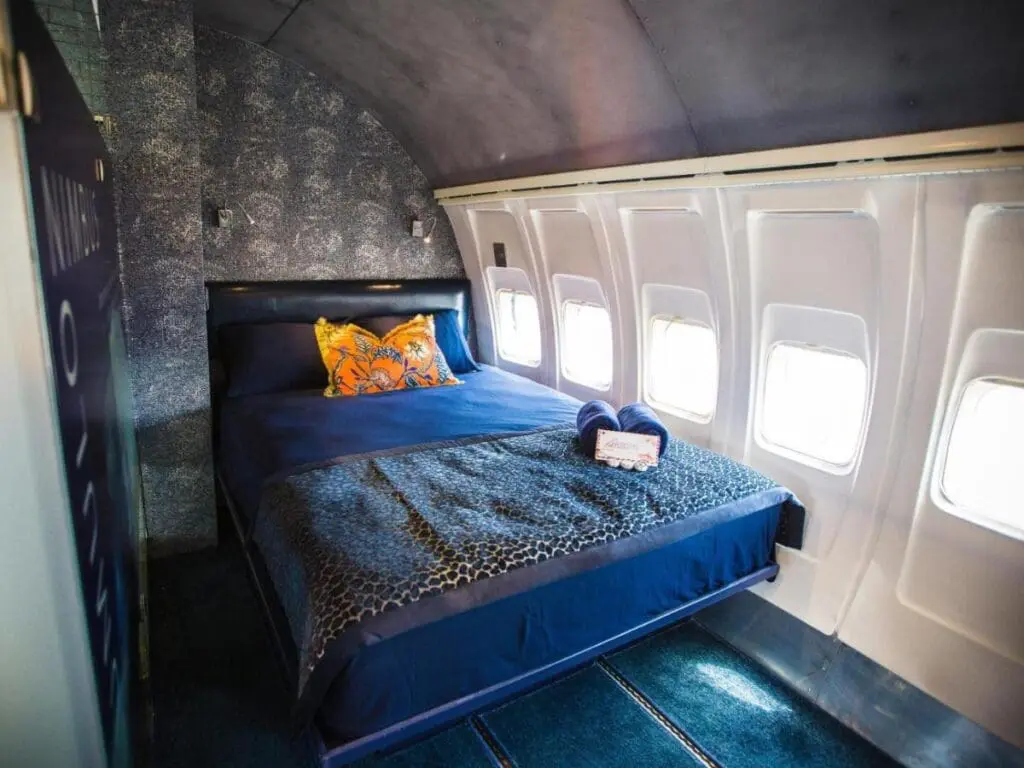
While these highly technical aspects of the conversion were hard, they were at least bound by the dimensions of the plane. It was harder to envisage the soft furnishing and fittings for what was a large, blank, and peculiarly shaped canvas.
“My biggest challenge decorating was to find and work with a theme. Aviation can be pretty stark, but once I got onto the idea of clouds, the rest flowed,” says Tracy, who worked with a young artist from White River, Ryan Gower Winter, to create digital art works for the Aerotel, and local design agency, Kuku Interiors. The result is six en suite, luxuriously appointed double rooms. Each one is named after a cloud formation, and the colour blue runs through the entire hotel’s decor scheme. The cockpit could have been a large suite, “but it’s a thing of beauty” says Tracy. They left it left alone with all the original dials, knobs and switches. Pilots get nostalgic looking at it, and for visitors, who hasn’t wanted to sit in the cockpit of a Boeing at some time or another?
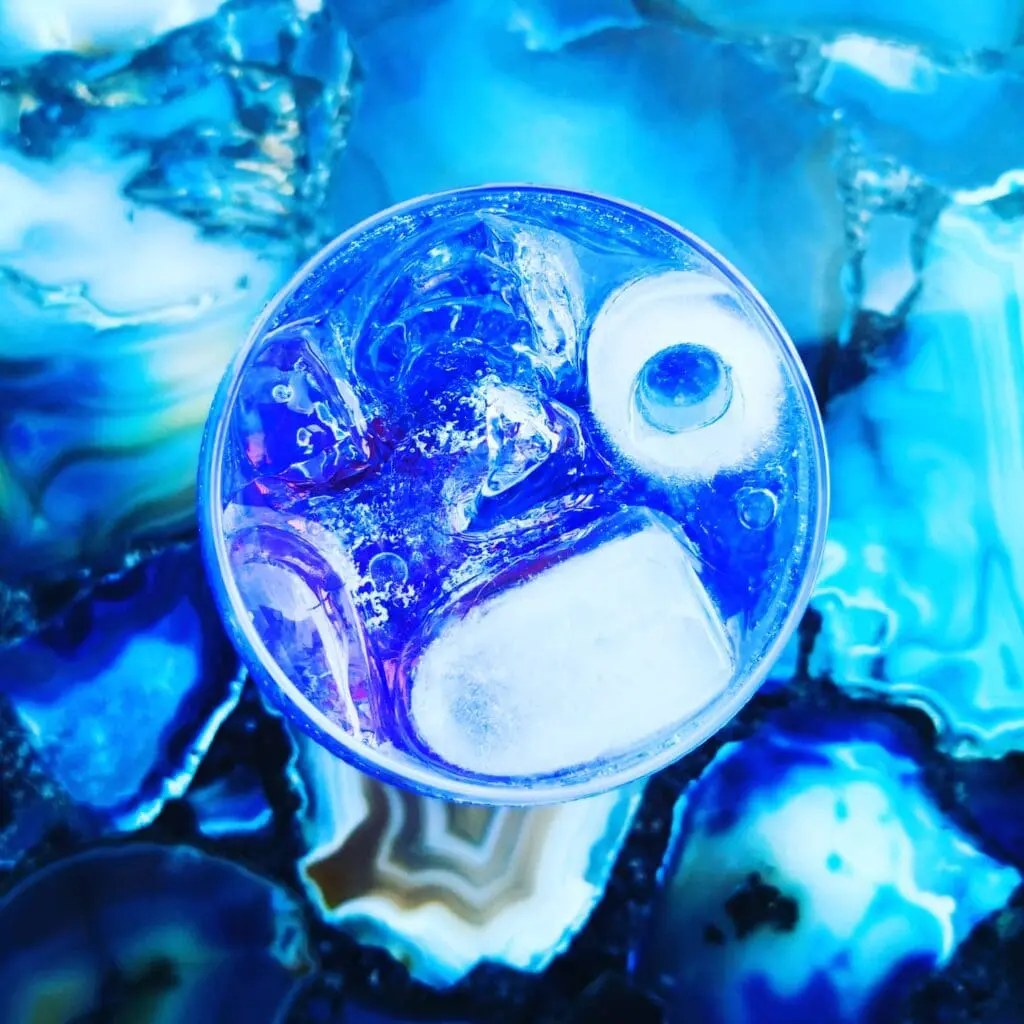
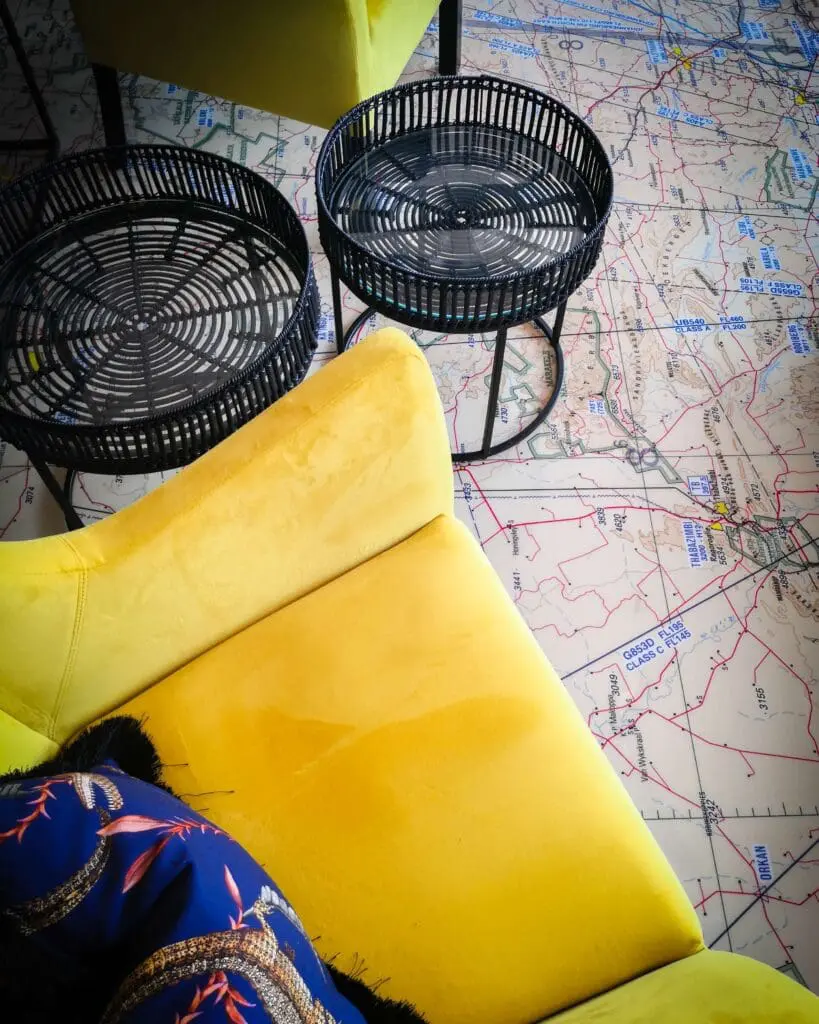
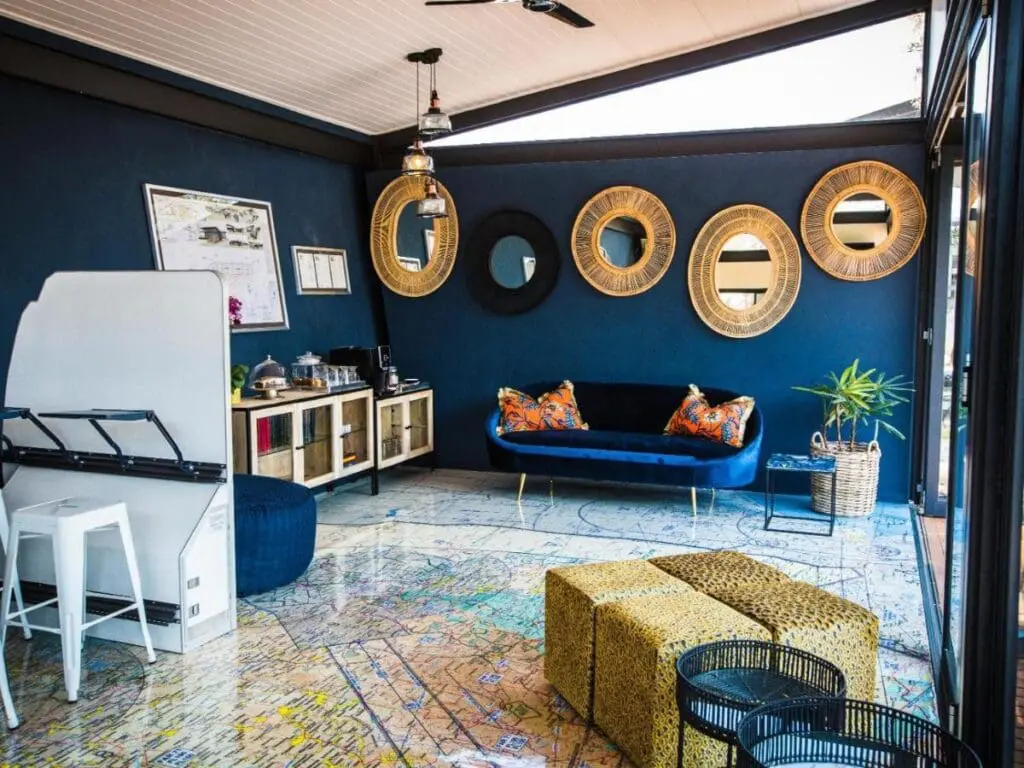
As well as the expansive deck, where you can recline on your airline seat and enjoy tapas, or the Aerotel’s signature Blue Devil Gintail prepared in the plane’s back galley, there is a separate lounge and dining area. This space is a bit of tribute to ZA-BIL’s heyday in the 80s. The floors are aviator maps printed on vinyl with an epoxy finish, and tray tables from the plane have been worked into a small business bar.
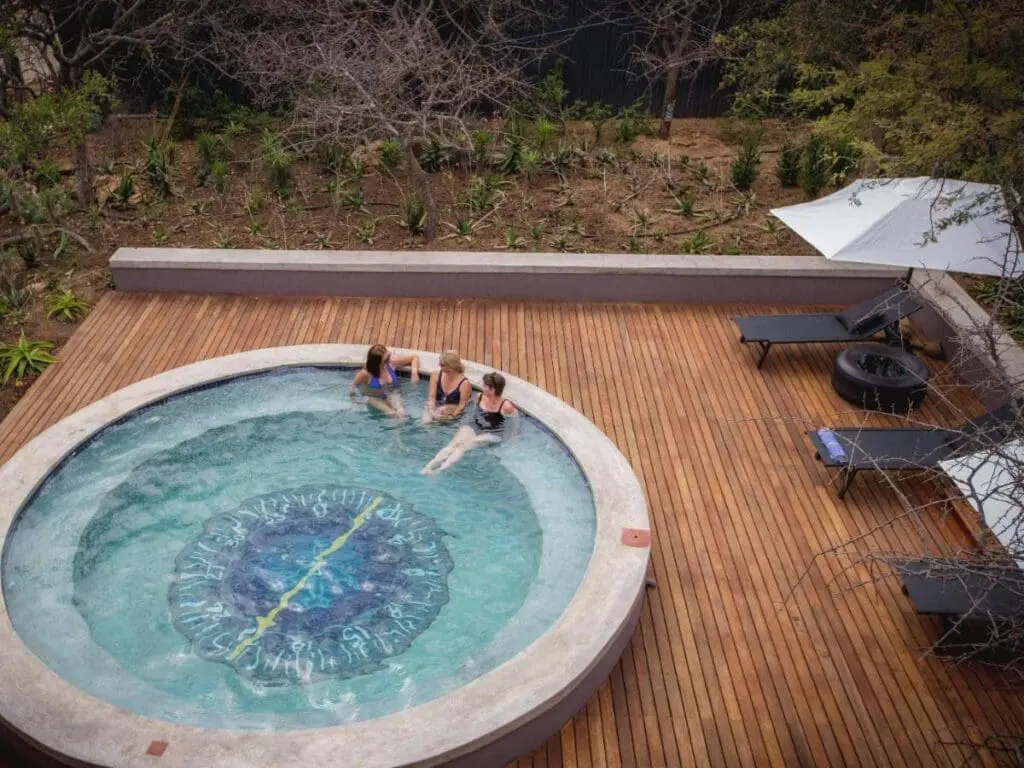
It opens onto a dazzling swimming pool (with a floor mosaic by Hoedspruit artist Pippa Moolman) and a Zen-like garden, inspired by the restful enclaves Tracy fell in love with in Thailand. The garden extends under the planes deck, where there are swing seats, nest chairs, and pockets of calm.
COVID-19-related delays were frustrating, but “through it all we have learnt to work together better,” says Tracy, smiling at Martin, whose love of planes is a running thread through his life. “We’re curiosity seekers and our guests will be too. For us, it was always about the process, and celebrating the uniqueness of this project,” says Tracy.
So back to the question everyone asked me after my stay: “what’s it really like?”. The answer is, it’s like nowhere I have stayed before. It’s comfortable, nostalgic, fascinating, clever and quirky. I had a real sense of fun, discovery and adventure, that in no way distracted from the exquisite attention to detail that astonished me at almost every turn. Perhaps I enjoyed it even more because of how much I miss the sound of clacking wheels, a boarding pass being torn, my tray table folding down; all those reminders when you fly that you’re almost home, or soon to be somewhere new and exciting.
After tapas on the deck, floating above the ground, I cocooned myself in my cabin as storm clouds gathered. There were no bumps in the night as the rain drummed on the fuselage. When morning came, did I wake up in a new world? No. But was I transported for a while? Yes. Yes I was.
What I loved about the Aerotel
A dignified second life
I love the idea of giving a majestic piece of machinery a second life. Frequent travellers may have become blasé about flying, but a Boeing is a thing of beauty, representing all that’s best about engineering and ingenuity, and our human desire to explore and connect.
Attention to detail
I think it would be hard to find a hotel anywhere that’s paid as much attention to the little things, from the life-jacket inspired toilet seats, to the table tops imported from India, to the colour of their signature gin cocktails (which use deep-blue, Hoedspruit-made Primos Gin), to the floors in the communal lounge area, which are epoxied maps depicting where this plane would have flown.
Homage to Hoedspruit’s aviation history
Hoedspruit is an aviation hub. You can explore the Greater Kruger National Park, the Blyde River Canyon and everything in between in a number of ways from the air. There are helicopter flips, microlight flights and hot air balloon trips. More than this though, Hoedspruit has an active air force base, it’s the centre of operations for many aerial anti-poaching, conservation and research initiatives and many people train here to become recreational pilots. It’s also home to South Africa’s only fly-in residential wildlife estate, Zandspruit Bush&Aero Estate, where you can buy or build a house with a hanger.
Reduce, recycle and reuse
So much travel is about excess and while the Aerotel is opulent in its own way, the structure’s environmental impact is minimal compared to new builds of a similar capacity. Almost every part of the plane has been lovingly repurposed, from the seats, which now adorn the deck, to the interior overhead lights, which are a ceiling feature in reception, to engine components which have been turned into coffee tables.
Dare to be different
Hoedspruit is synonymous with safari and there’s a lot of fantastic accommodation, but a lot of it’s the same. It was such a tonic to be excited and thrilled by something totally different.
It’s all about the flight experience
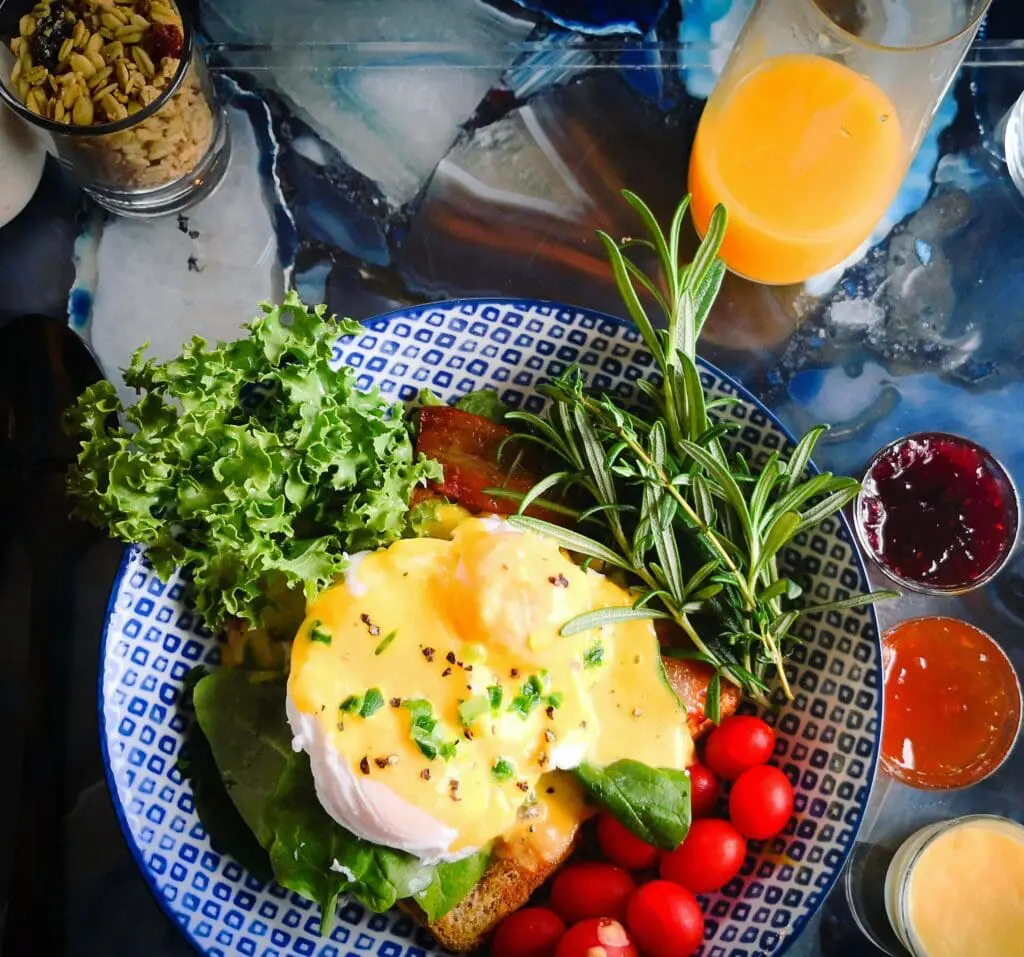
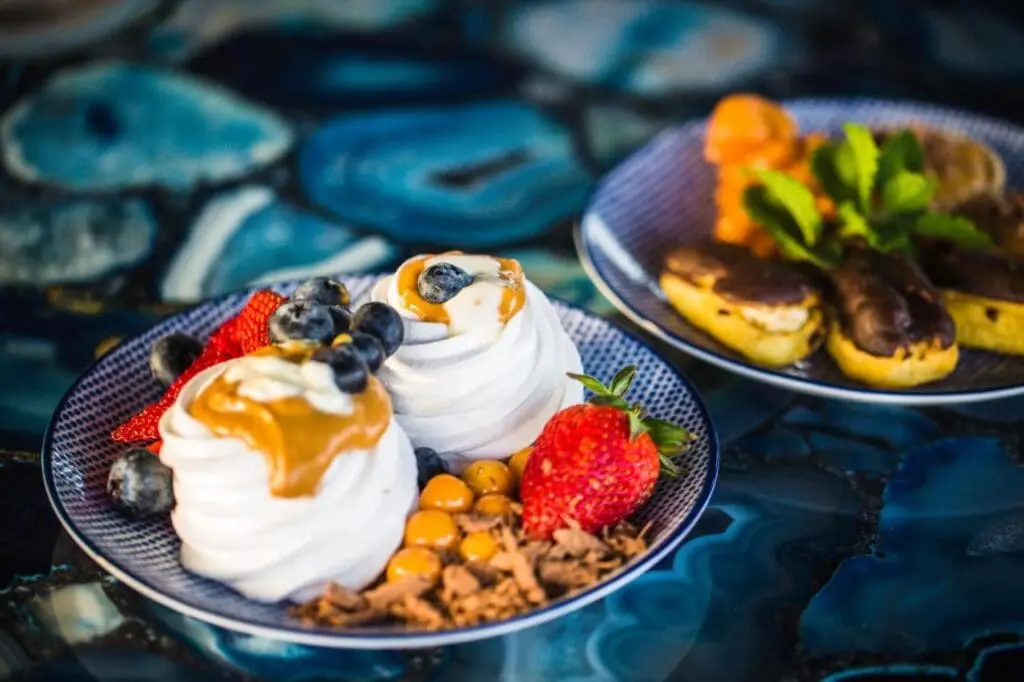
Every inch evokes the flight experience, from how the breakfasts are laid out (in an echo of the very best that premier class has to offer), to the stemless glasses that double up for champagne in the evenings and fruit juice in the mornings, to the original airplane’s steps that lead you to your cabin. And as no children under 12 are allowed, there is a guarantee that screaming babies will not disturb your flight.
Tapas and cocktail bar
You can make a booking at The Aerotel’s tapas and cocktail bar served from 16h30 to 19h00 Wednesday – Saturday. Pre-booking essential and no kids allowed.