In July 2025, I went to Mauritius and didn’t write about it.
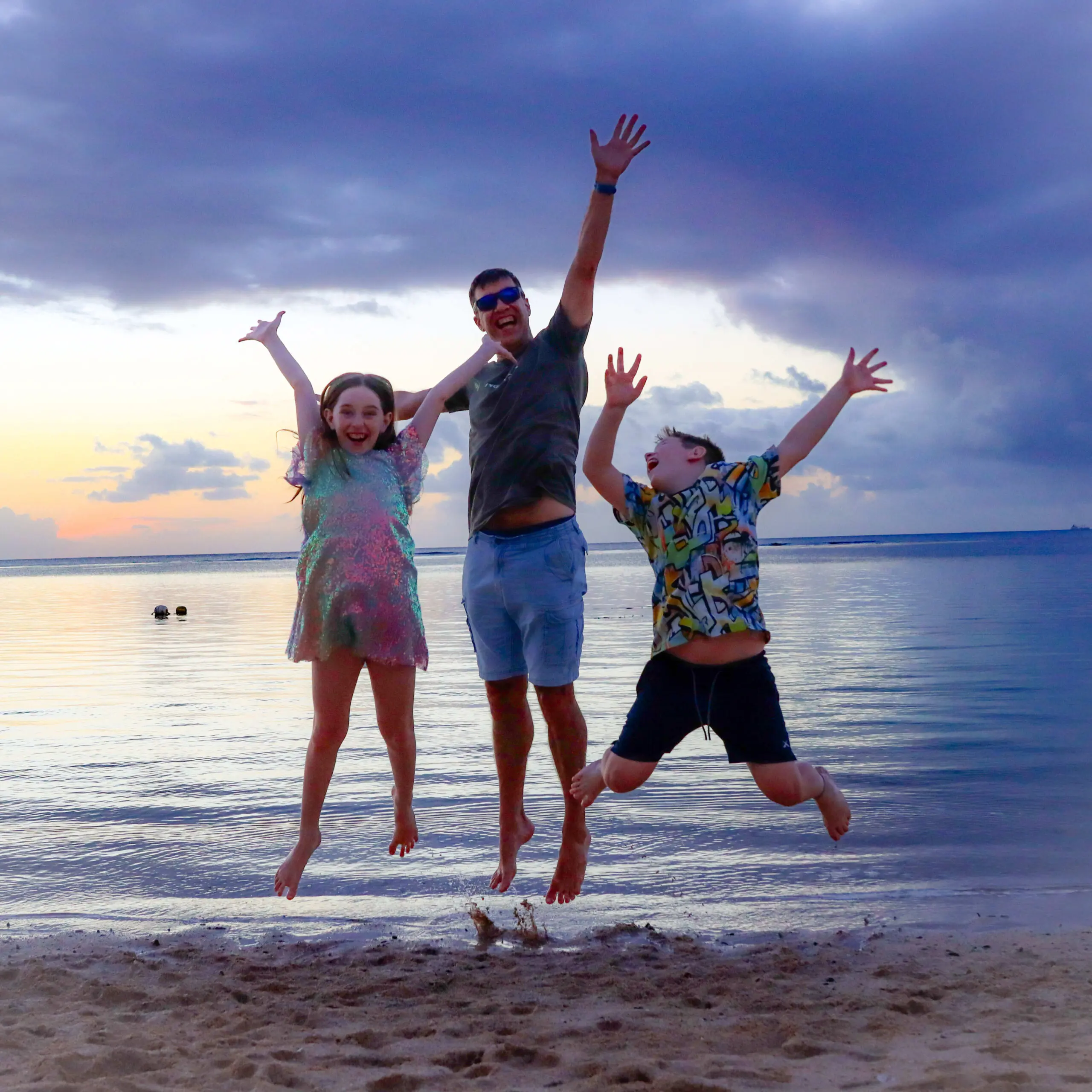
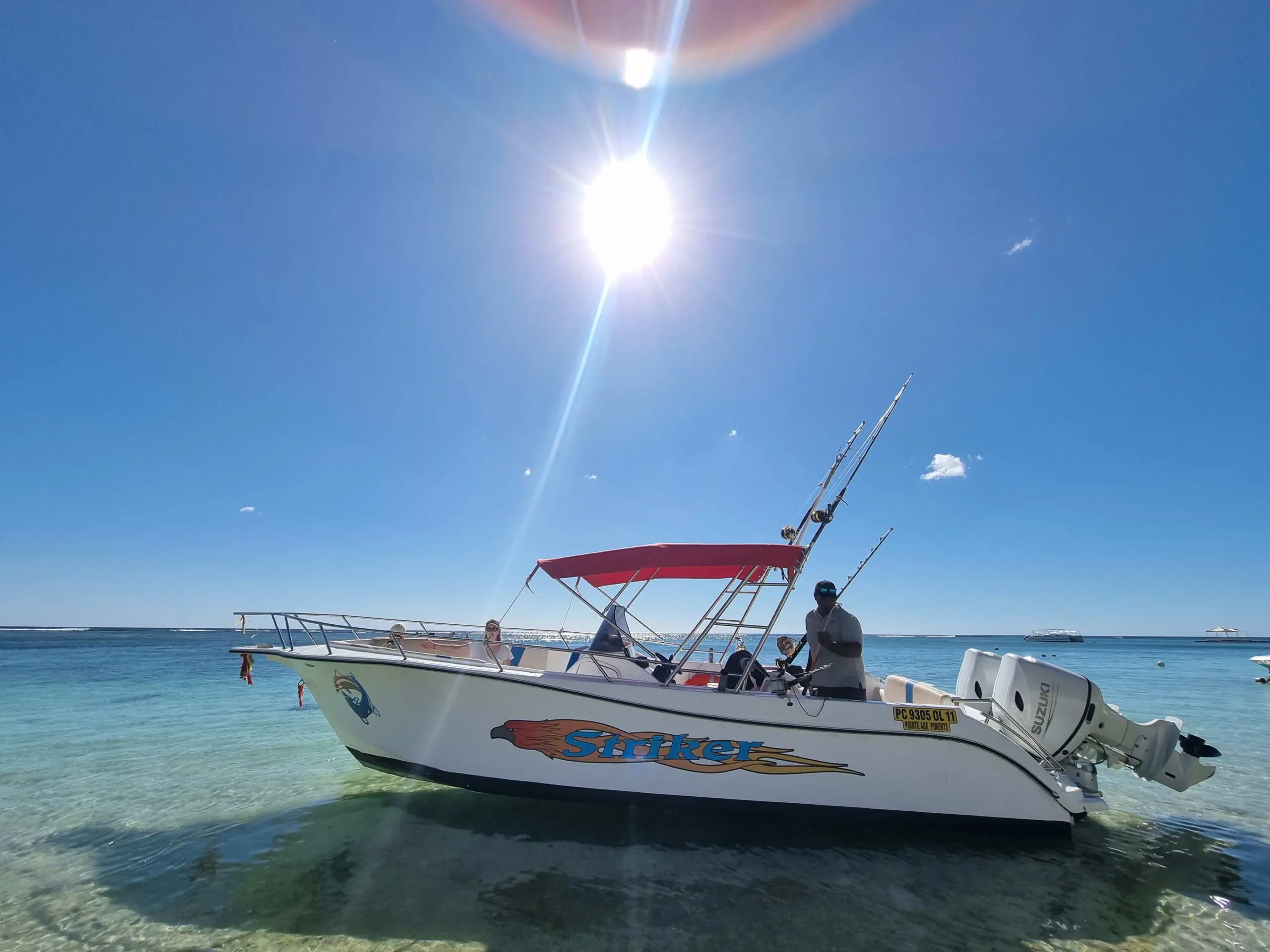
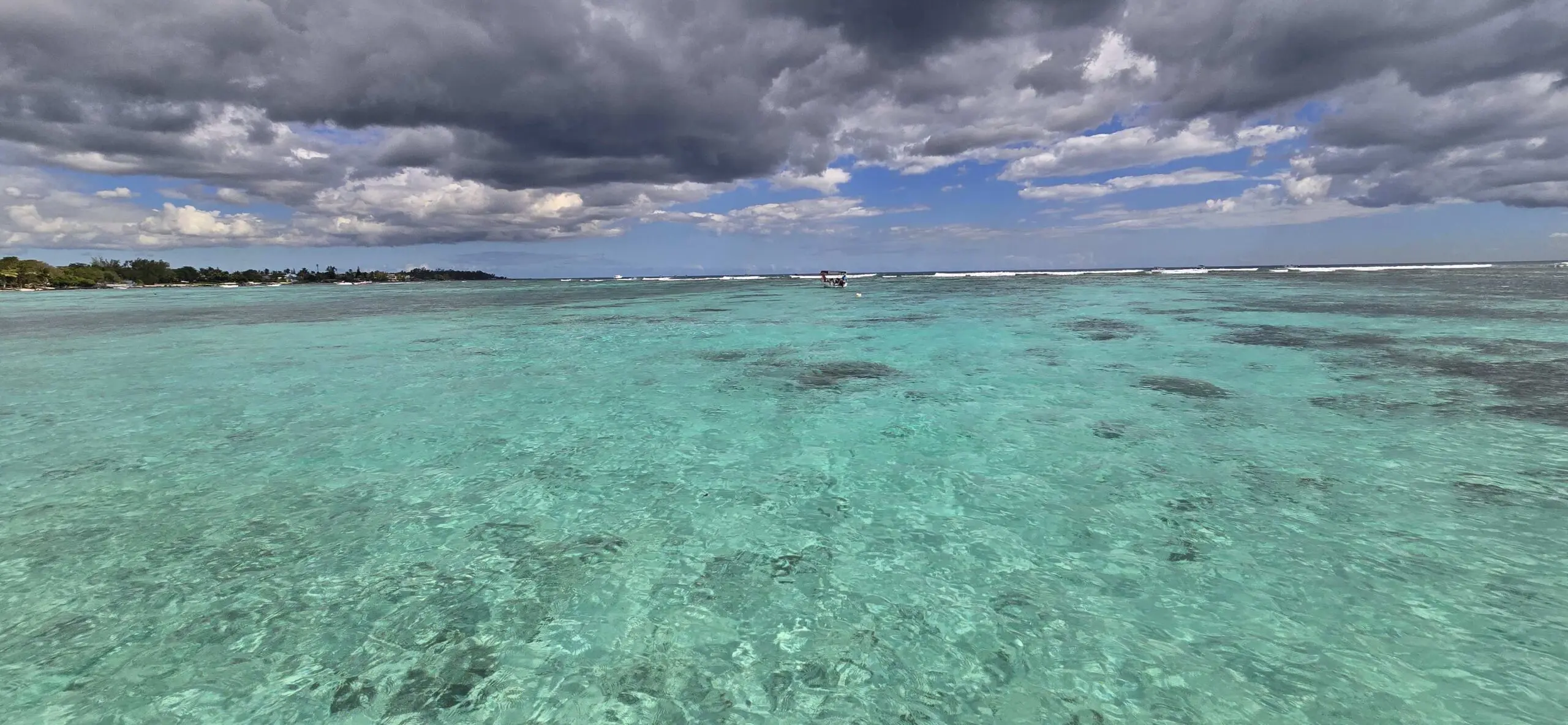
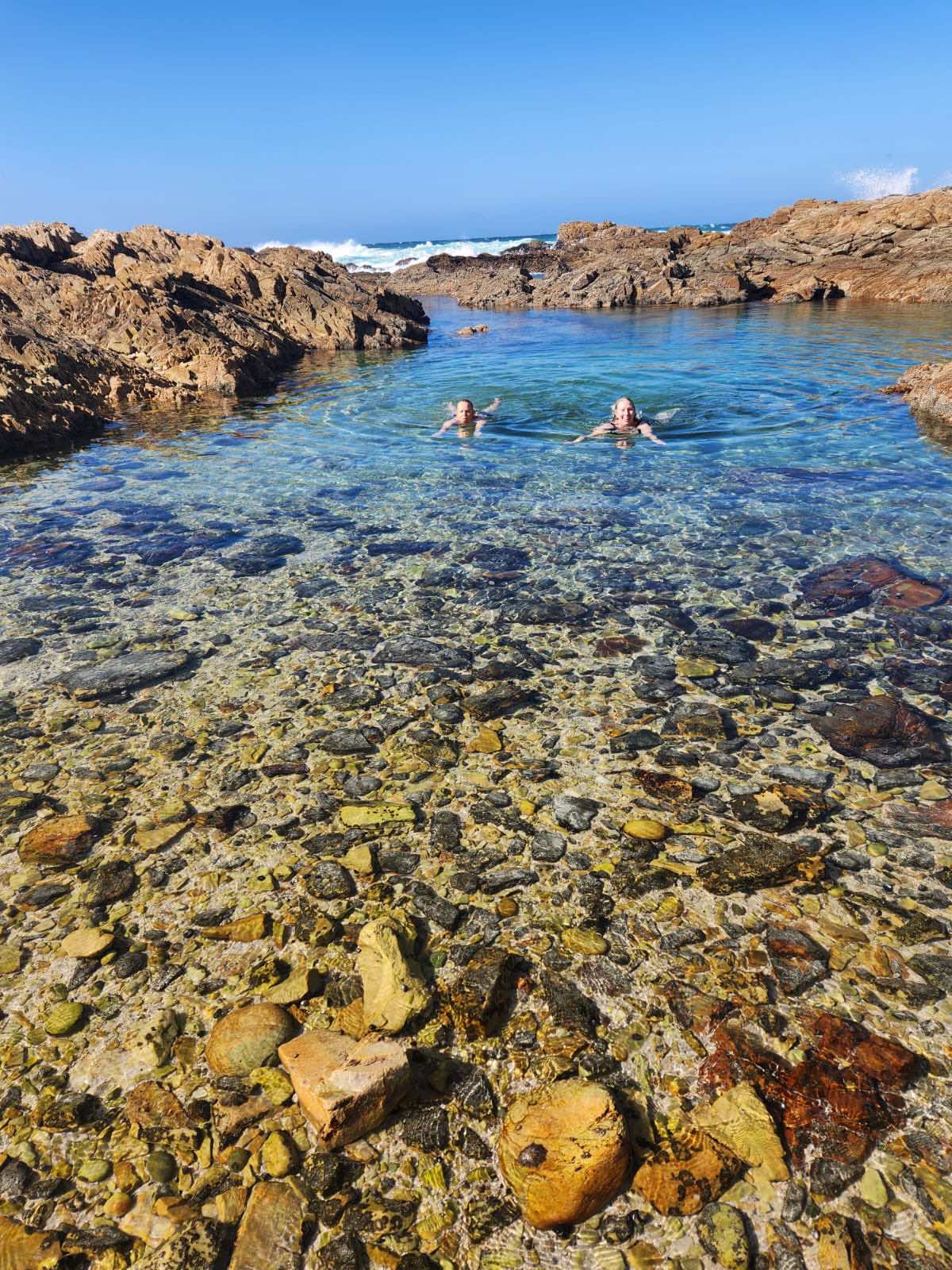
While I was there, I snorkeled in water so clear it felt like glass, and had the magical, ridiculous, heart-expanding experience of spinner dolphins passing far beneath me.
This species rests in shallow, sheltered water during the day using unihemispheric sleep (half the brain at a time) and often appears suddenly to snorkelers rather than being “chased down.” We were exploring an area our guides call the Fish Tank off Trou aux Biches. Did the guides know they would be there, or were we simply lucky?
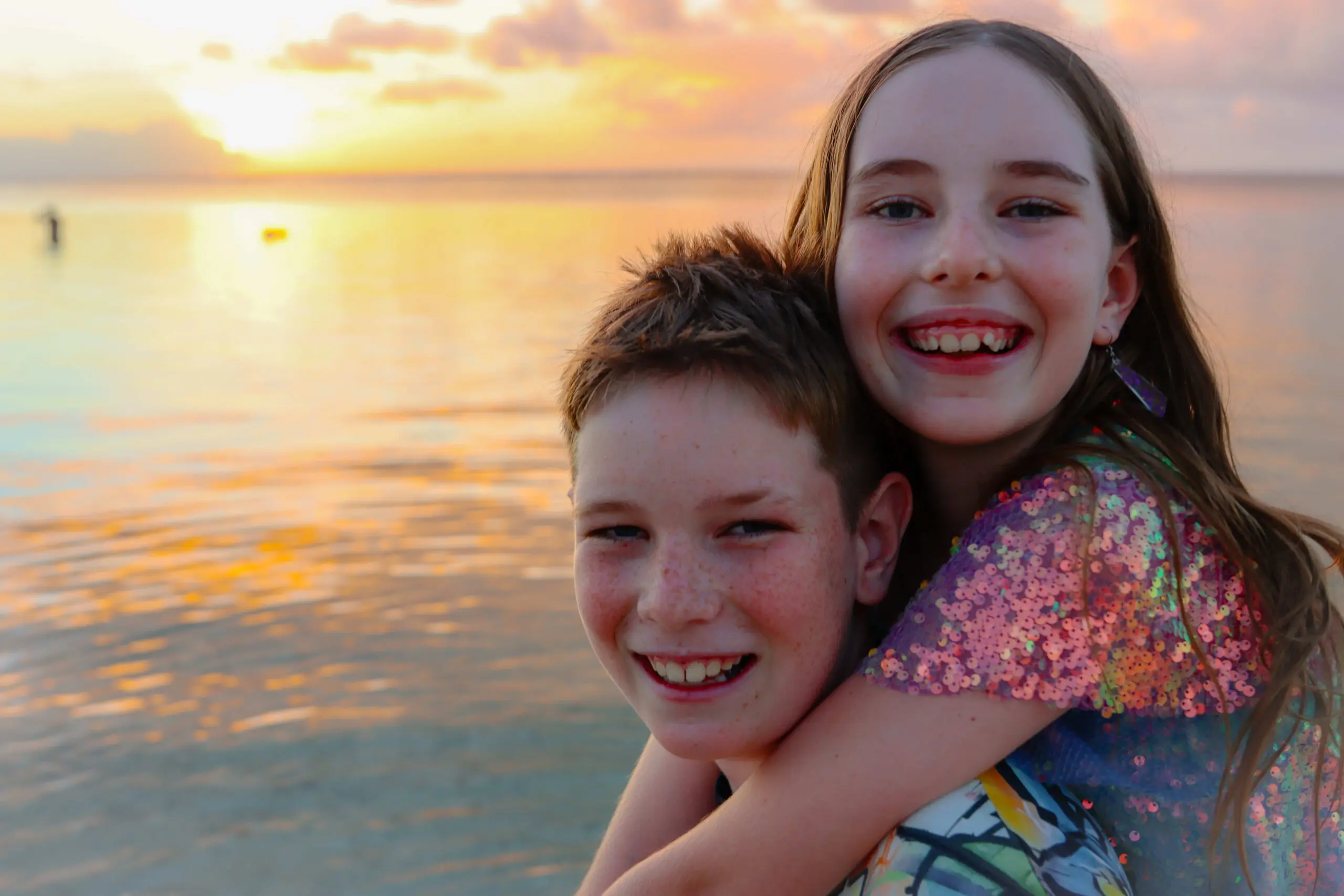
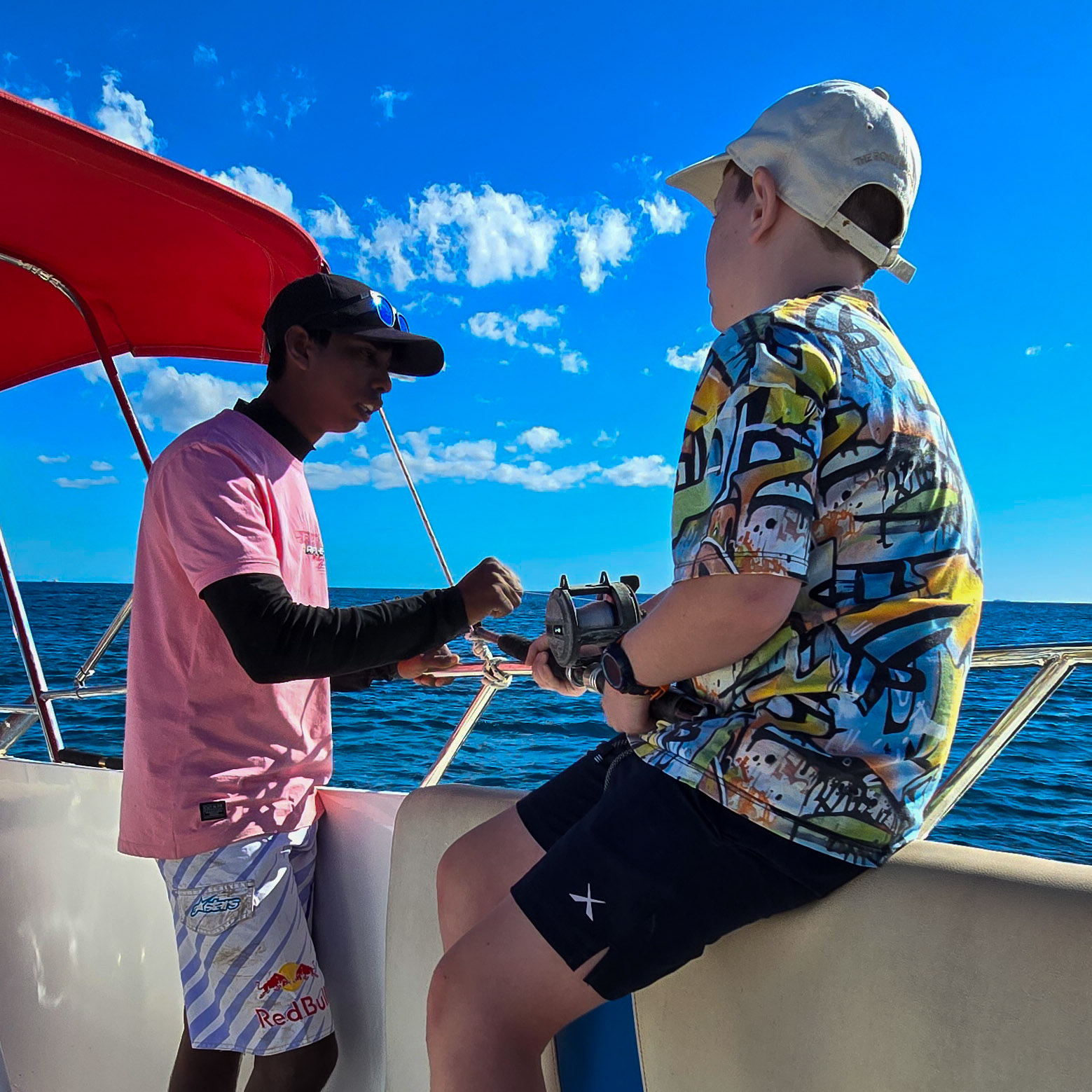
Of course, I thought about ethics, reef-safe sunscreen, marine conservation projects and coral bleaching, but mostly that came before and after. In the moment, it was simply water, breath and wonder. My kids were beside me — bobbing, slightly chaotic in their flippers — and in that moment the magic wasn’t only the dolphins, it was sharing the moment with them.
I remember thinking: This is so beautiful I might actually cry through my snorkel.
I did not think, this will make a great lede.
I did not mentally outline a feature.
I just wanted to stay there and see what else swam by.
Later, people asked: “So what are you going to write about this?”
And I said: “Nothing.”
Which felt weird. Because I write about travel and conservation.
That Perfectly Curated Travel Life...
From the outside, the latter half of 2025 looked like a perfectly curated travel-writer life: Mauritius, the Western Cape’s epic Whale Trail, the Netherlands, Tofo in Mozambique — and, threaded through it all, a couple of safaris back in Kruger and Karongwe. It could have been a neat content arc: islands, coastline, wild walking, city culture, big ocean, and classic bush in between.
But I didn’t pitch a single piece.
The Whale Trail was probably the most “writerly” experience of all.
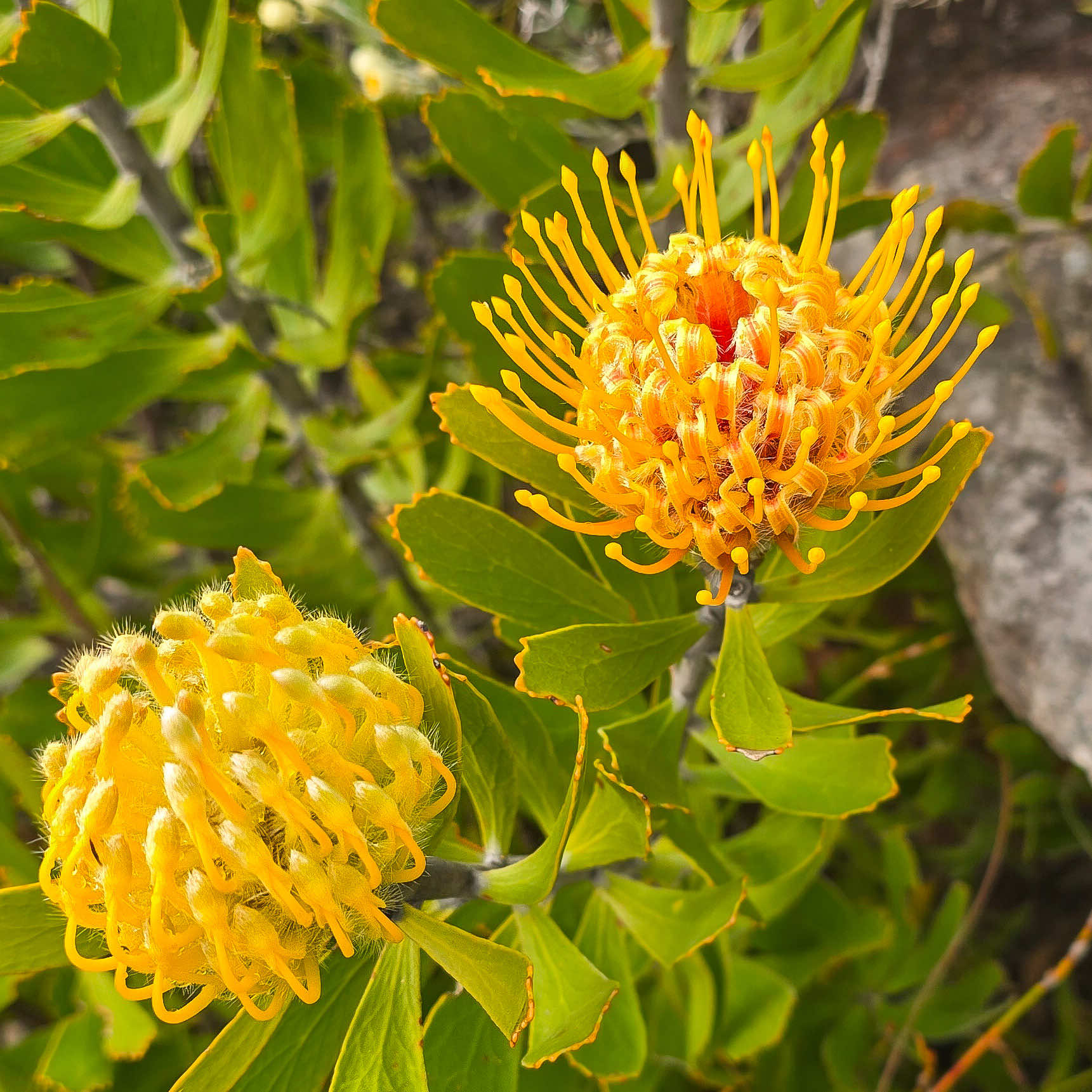
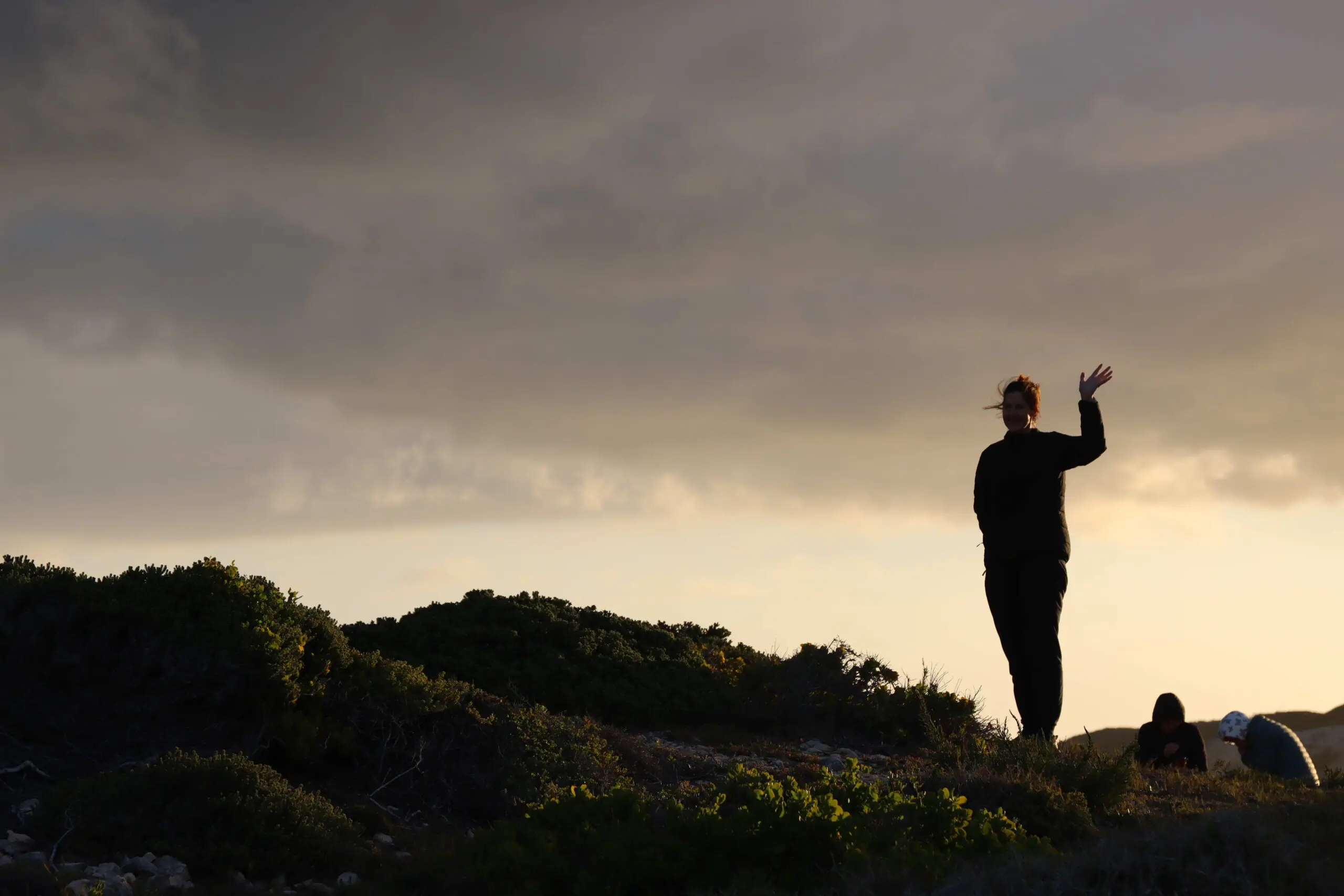
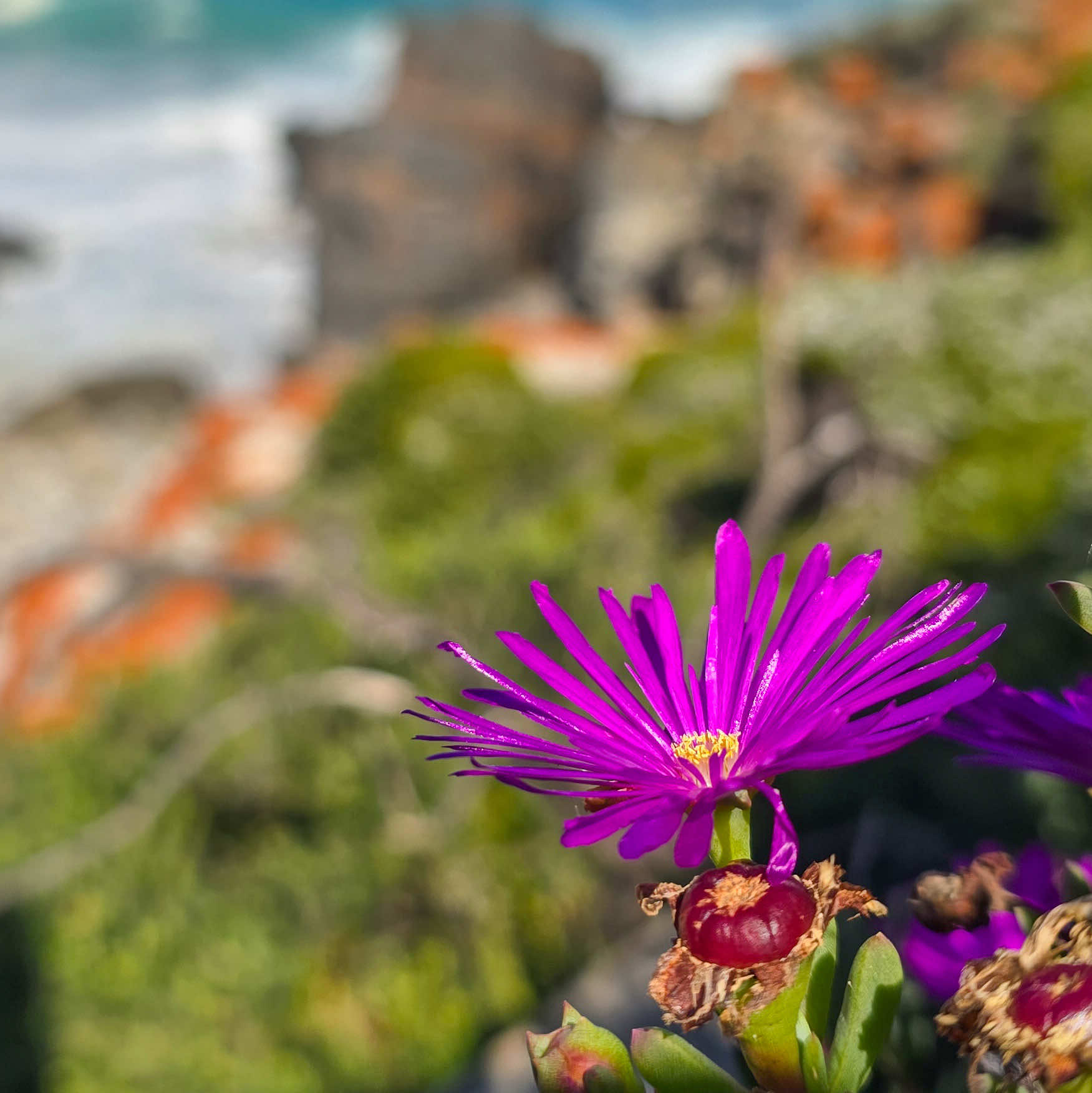
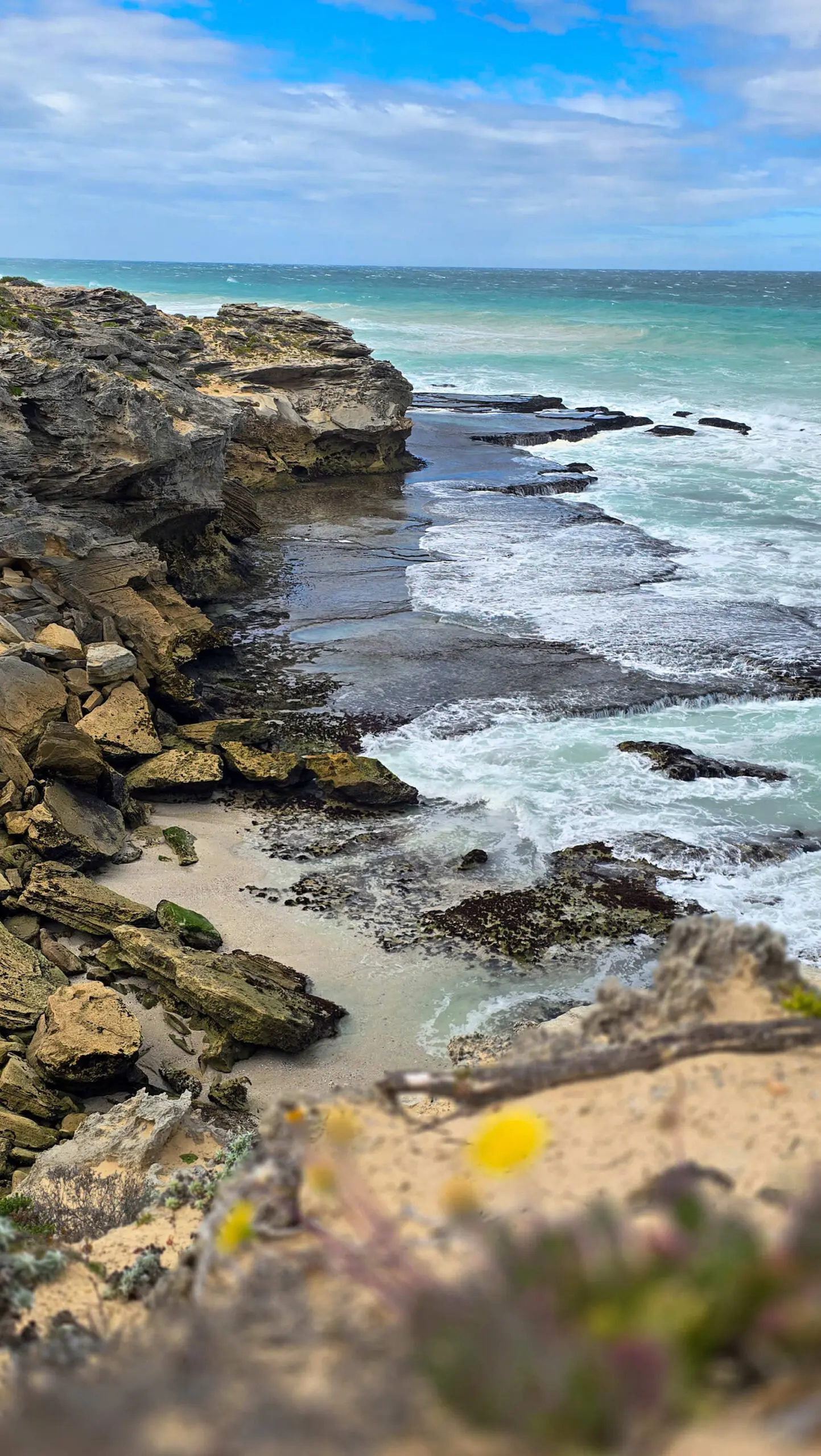
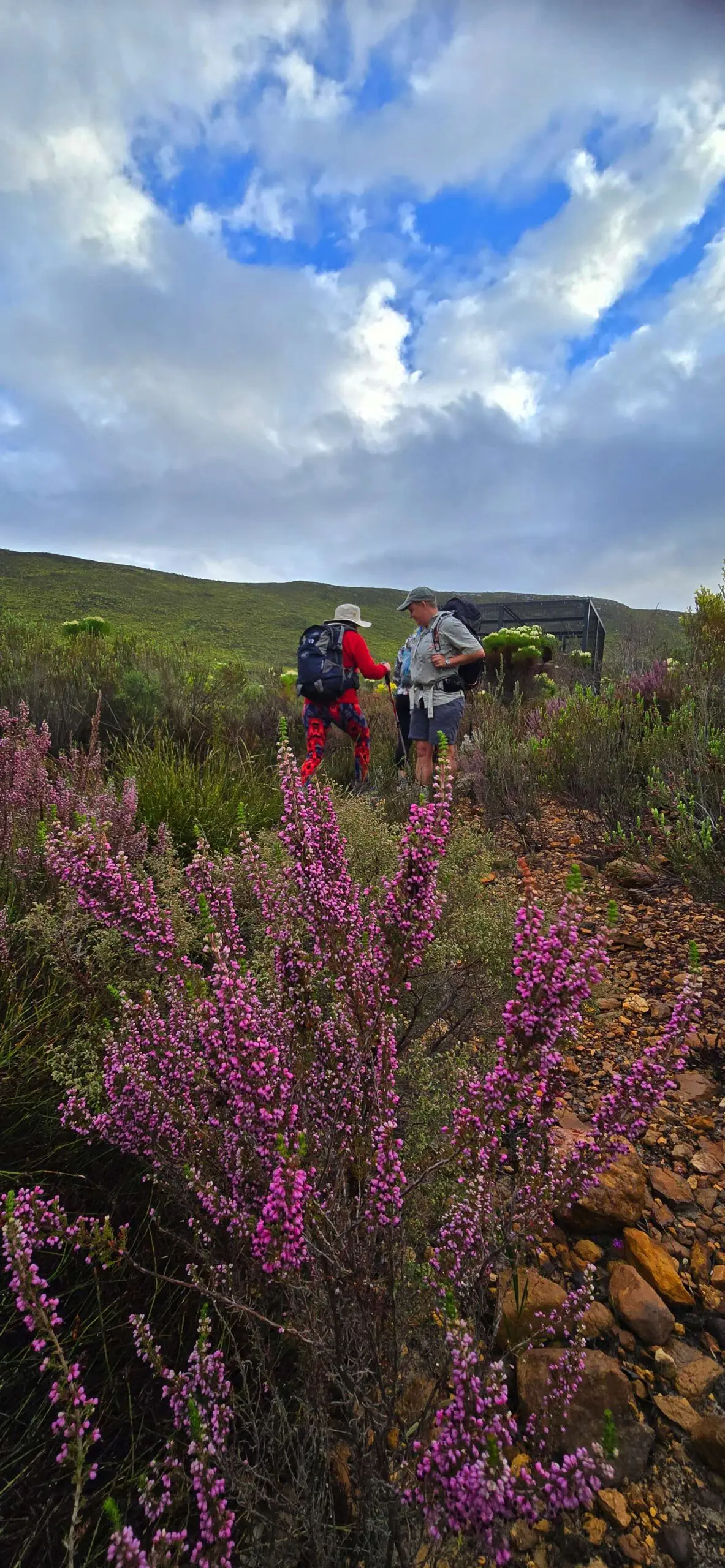
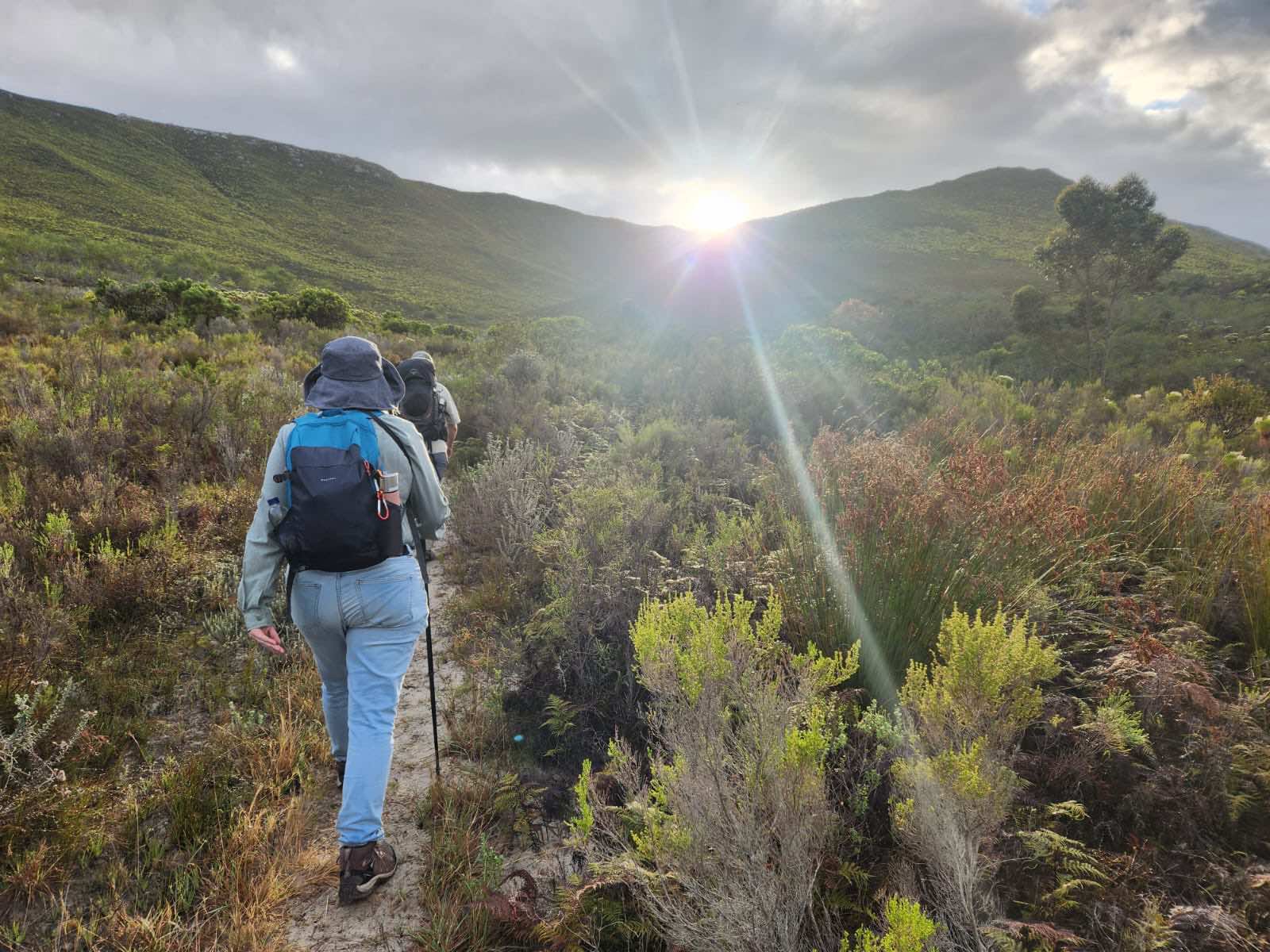
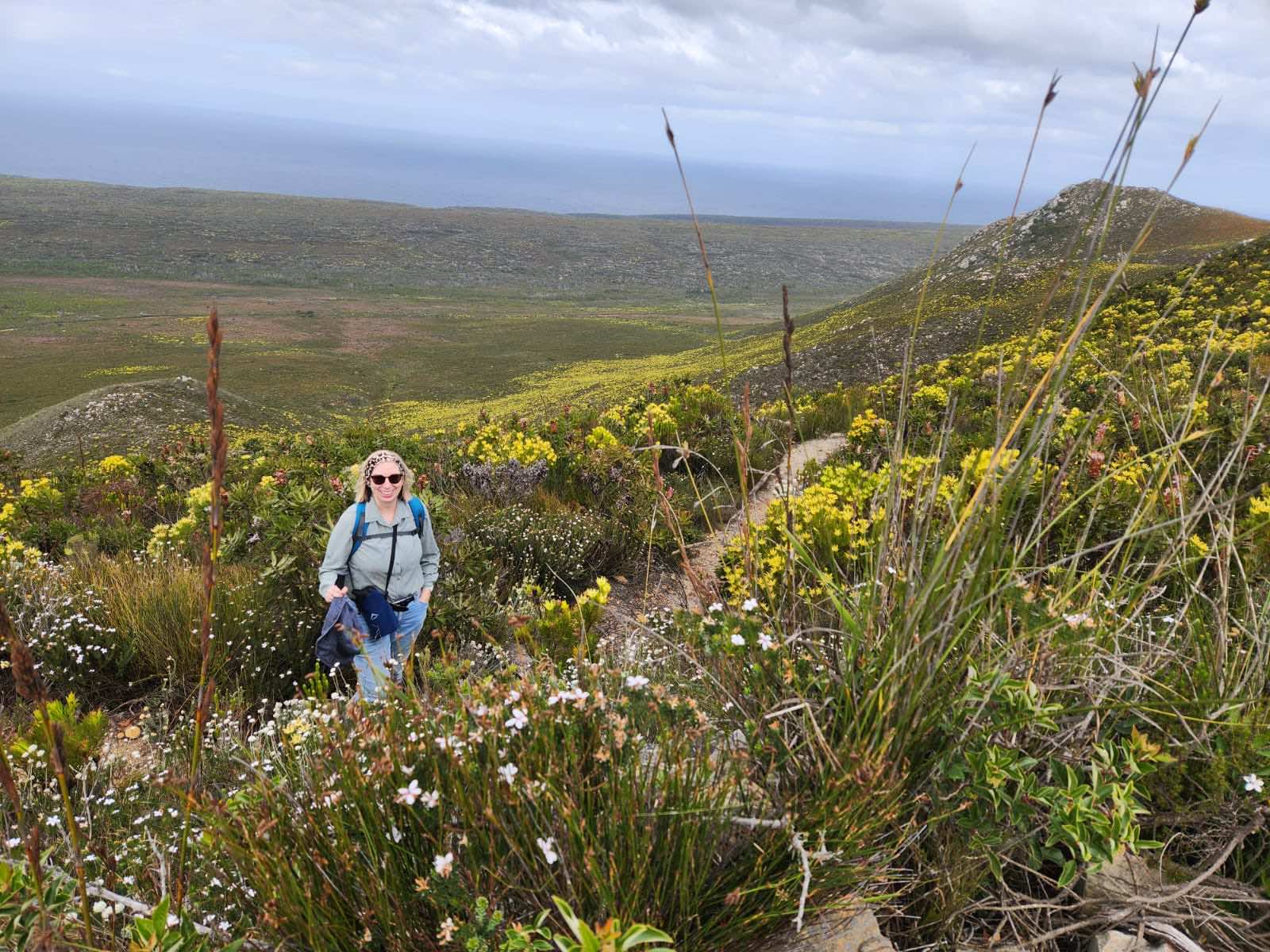
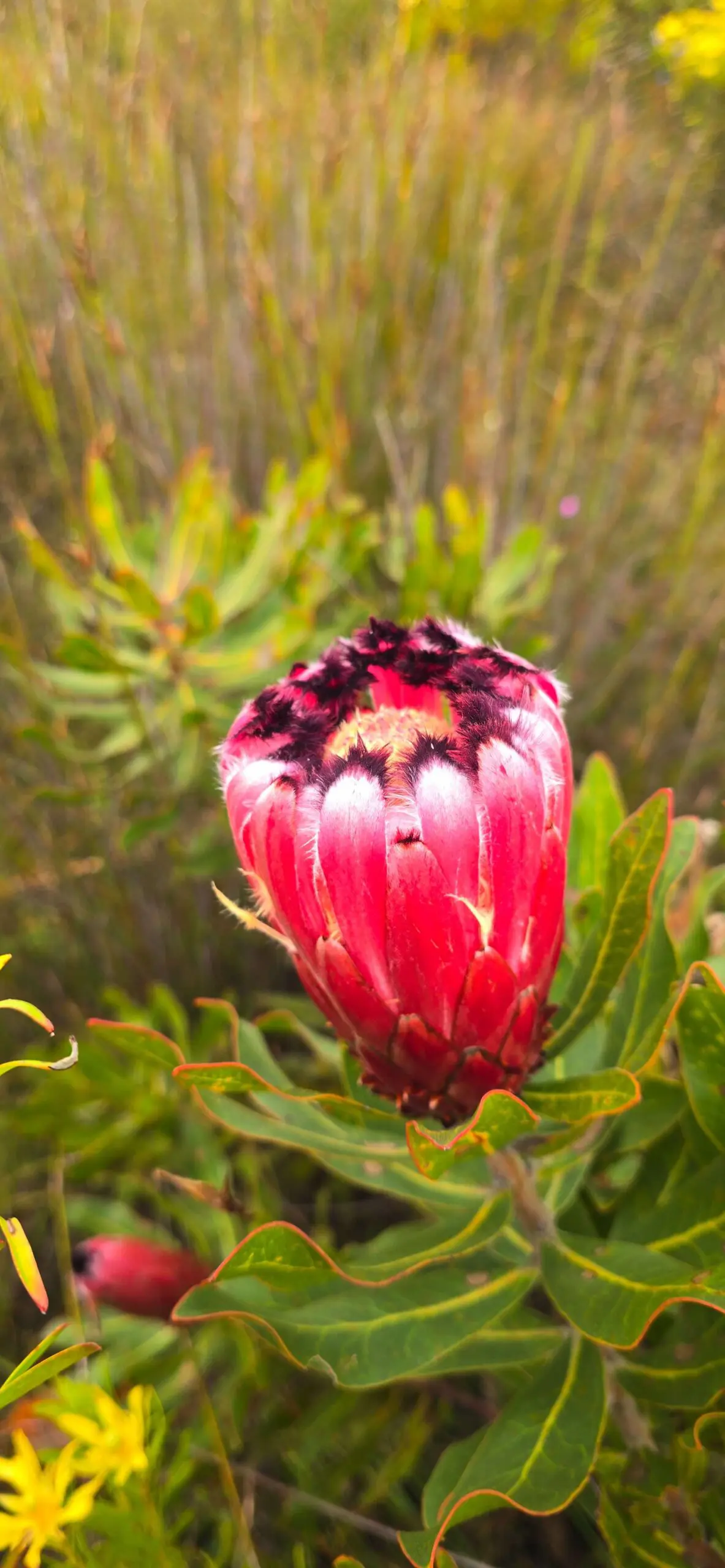
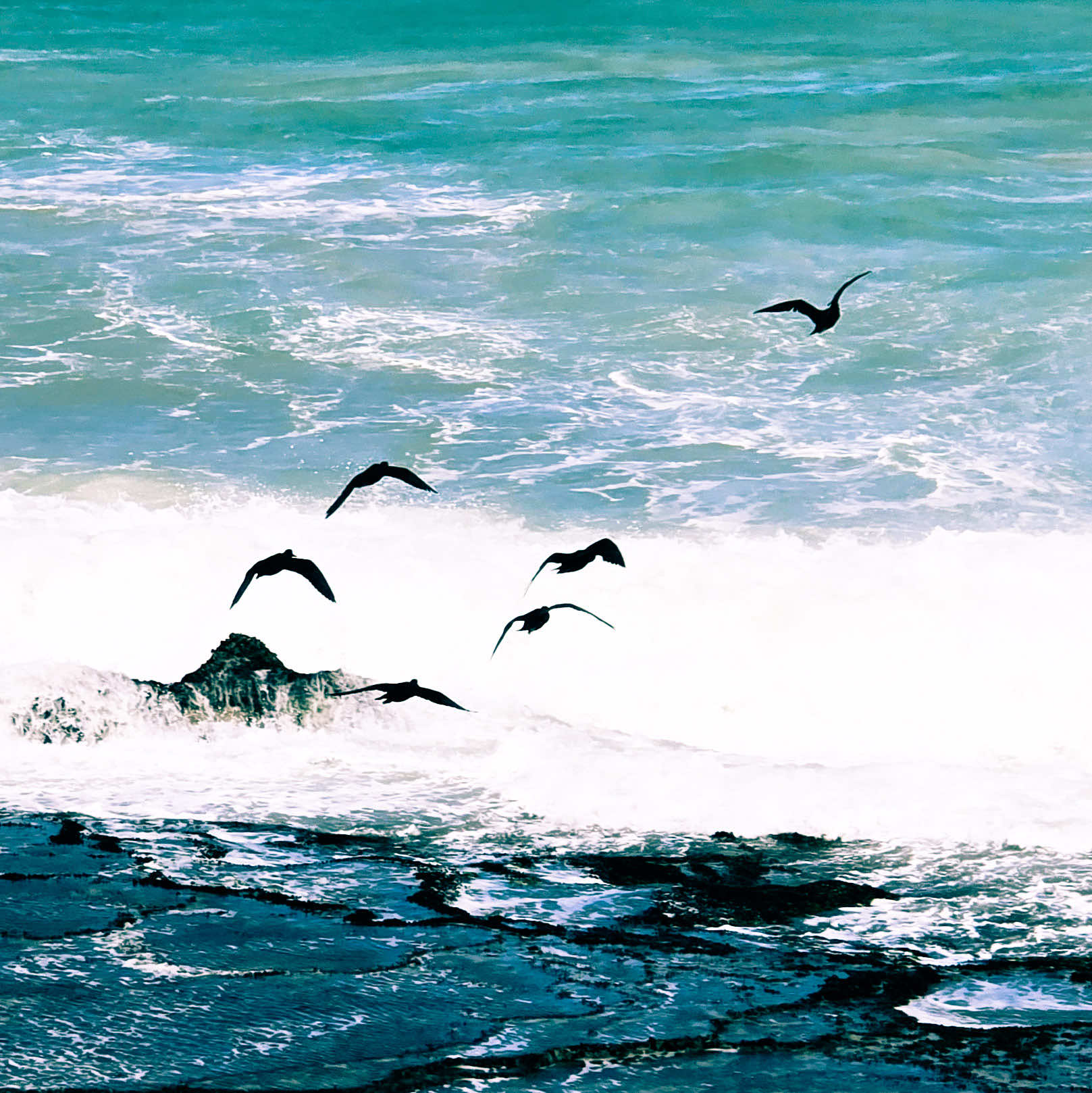
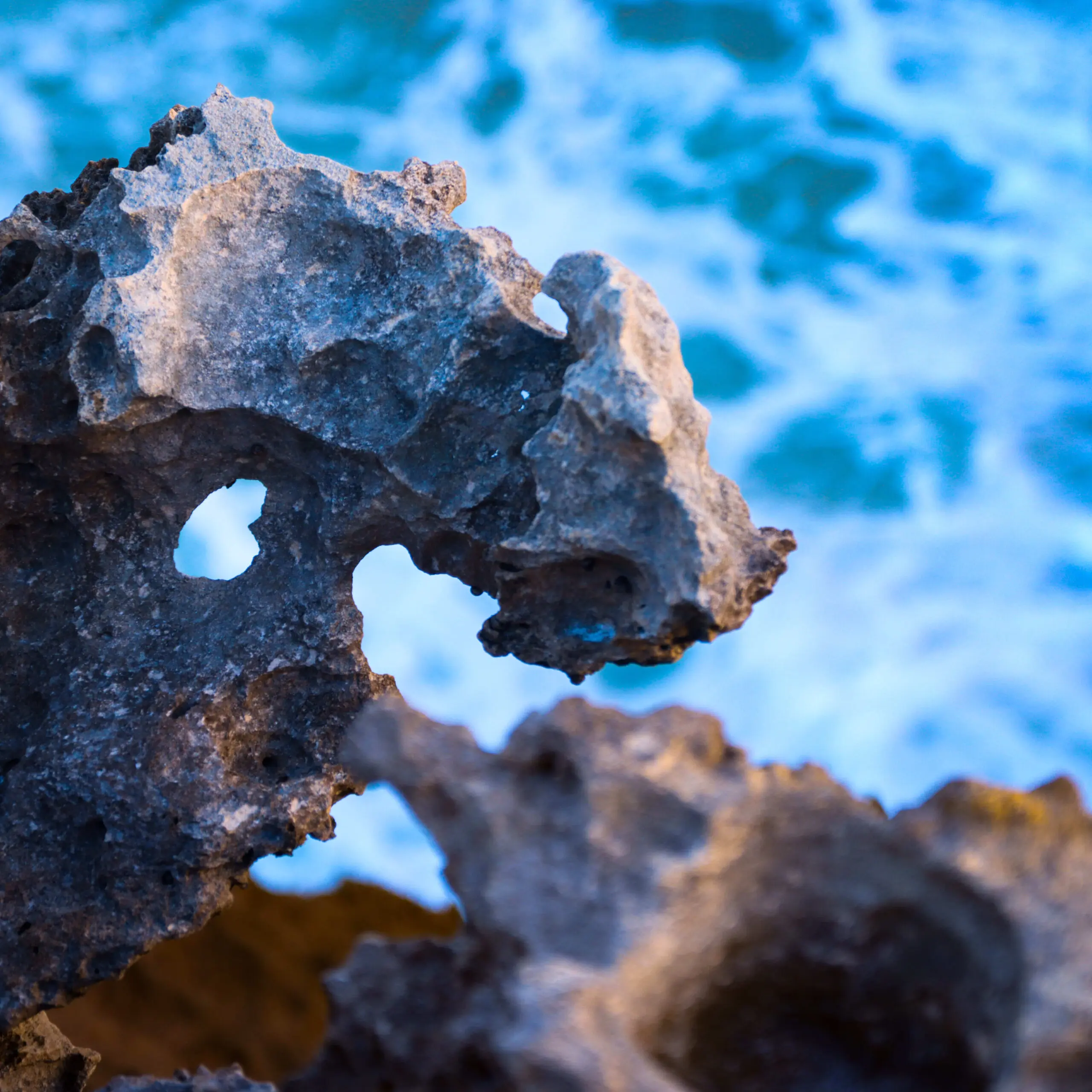
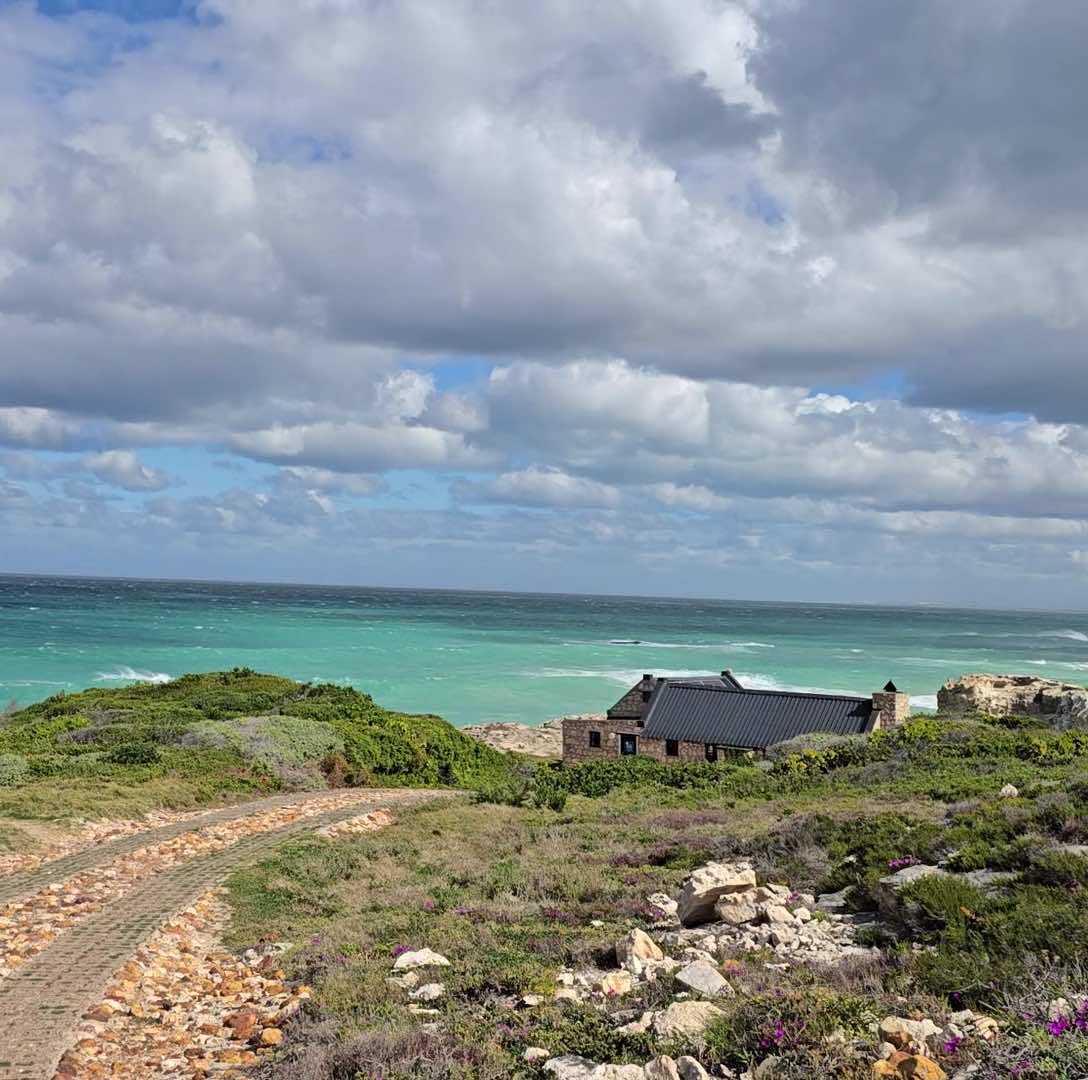
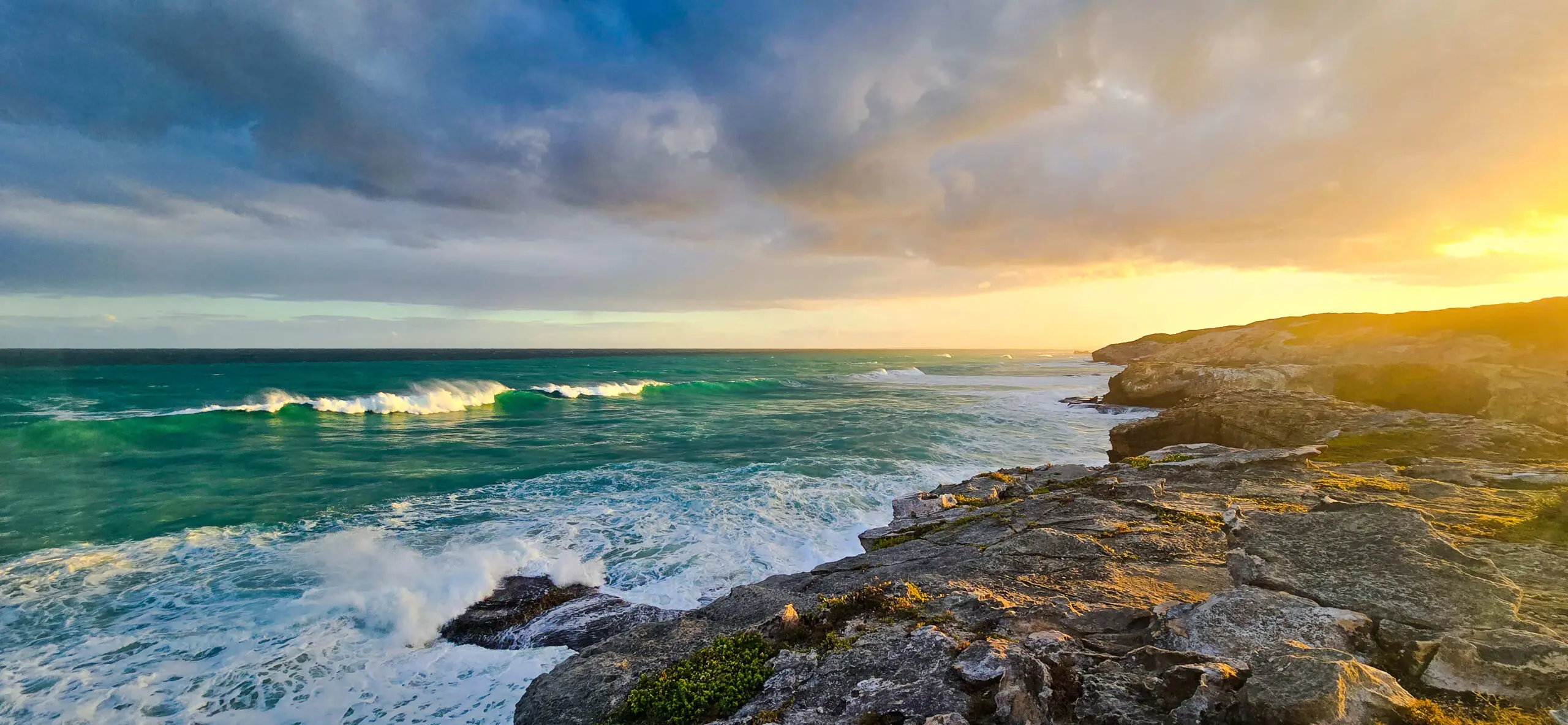
For five days I walked along the Western Cape coast, salt wind in my face, fynbos brushing my calves, cliffs dropping into a restless Atlantic that was alive with whales and seabirds and magical stuff beneath the water that I could only wonder about. The light shifted constantly: pewter mornings, bright afternoons, moody evenings. I slept in basic huts that smelled faintly of wood smoke and sea, and shared with some friends and some strangers.
Each day, I let the rhythm of walking do its work: step, breathe, look, repeat. No pitch. No angle. No mental subheads. The steady, dignified blows of the whales offshore lent the entire landscape a hushed, sacred atmosphere. I remember standing still on a headland for hours, watching whales dip and roll and feeling my heart expand in new directions.
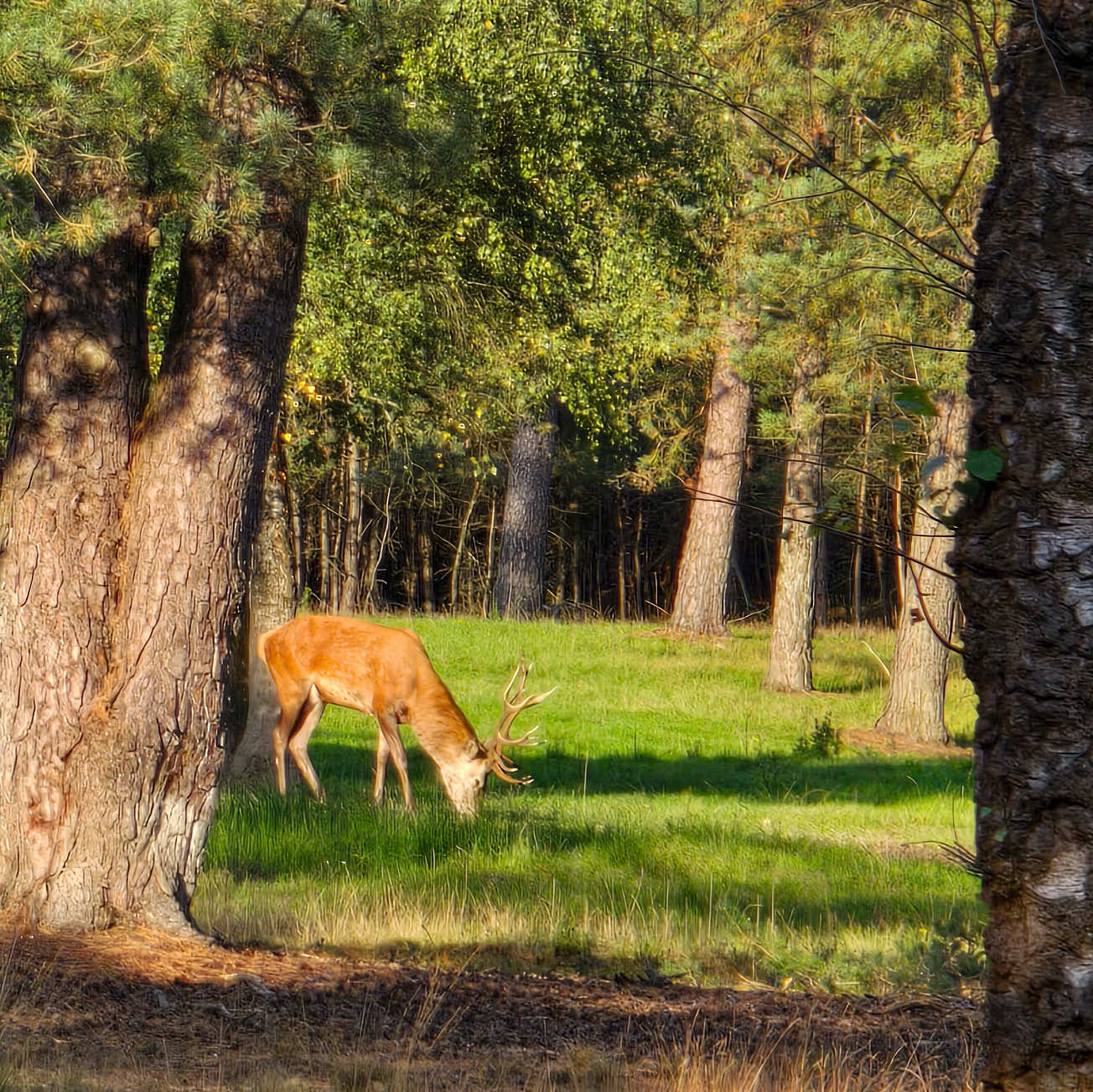
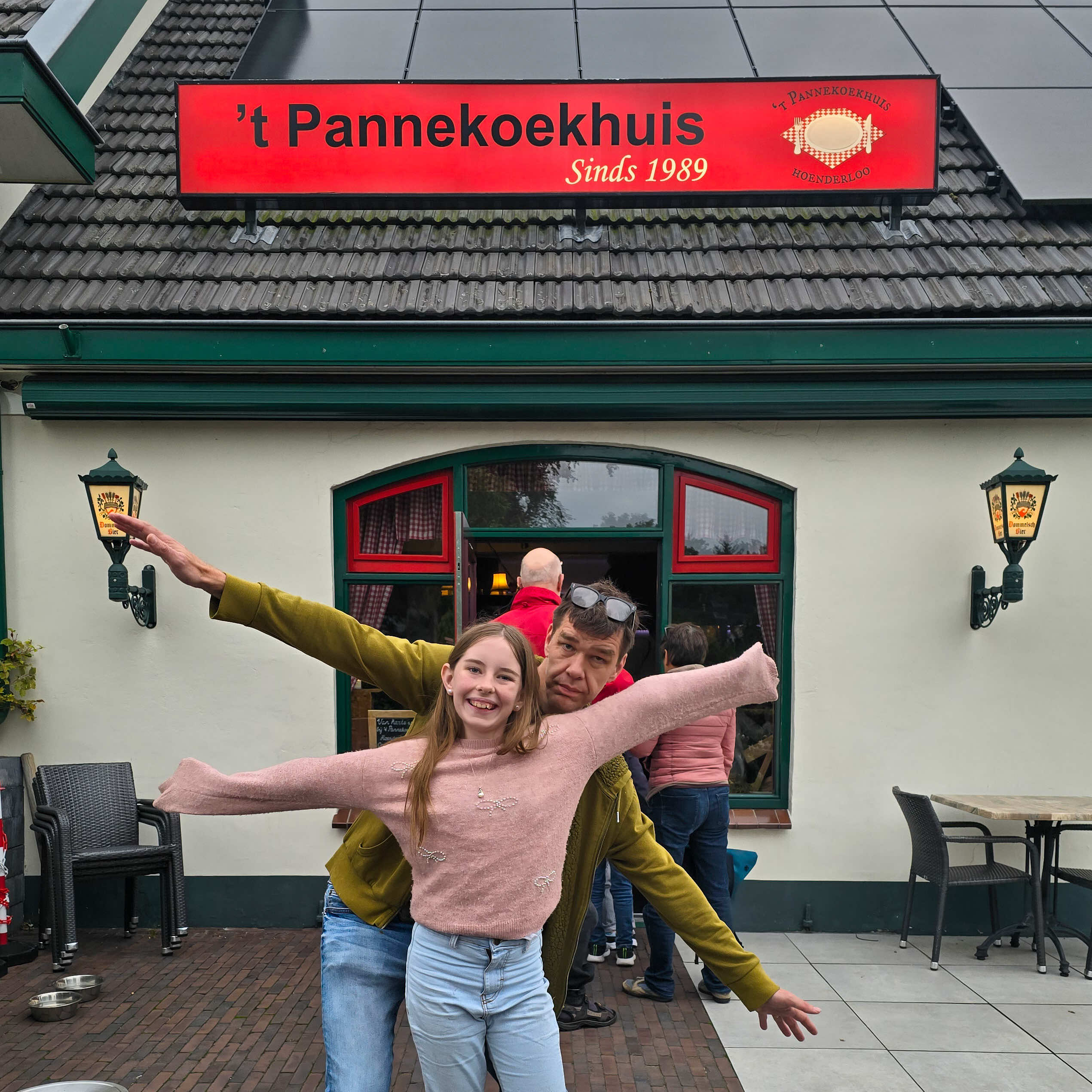
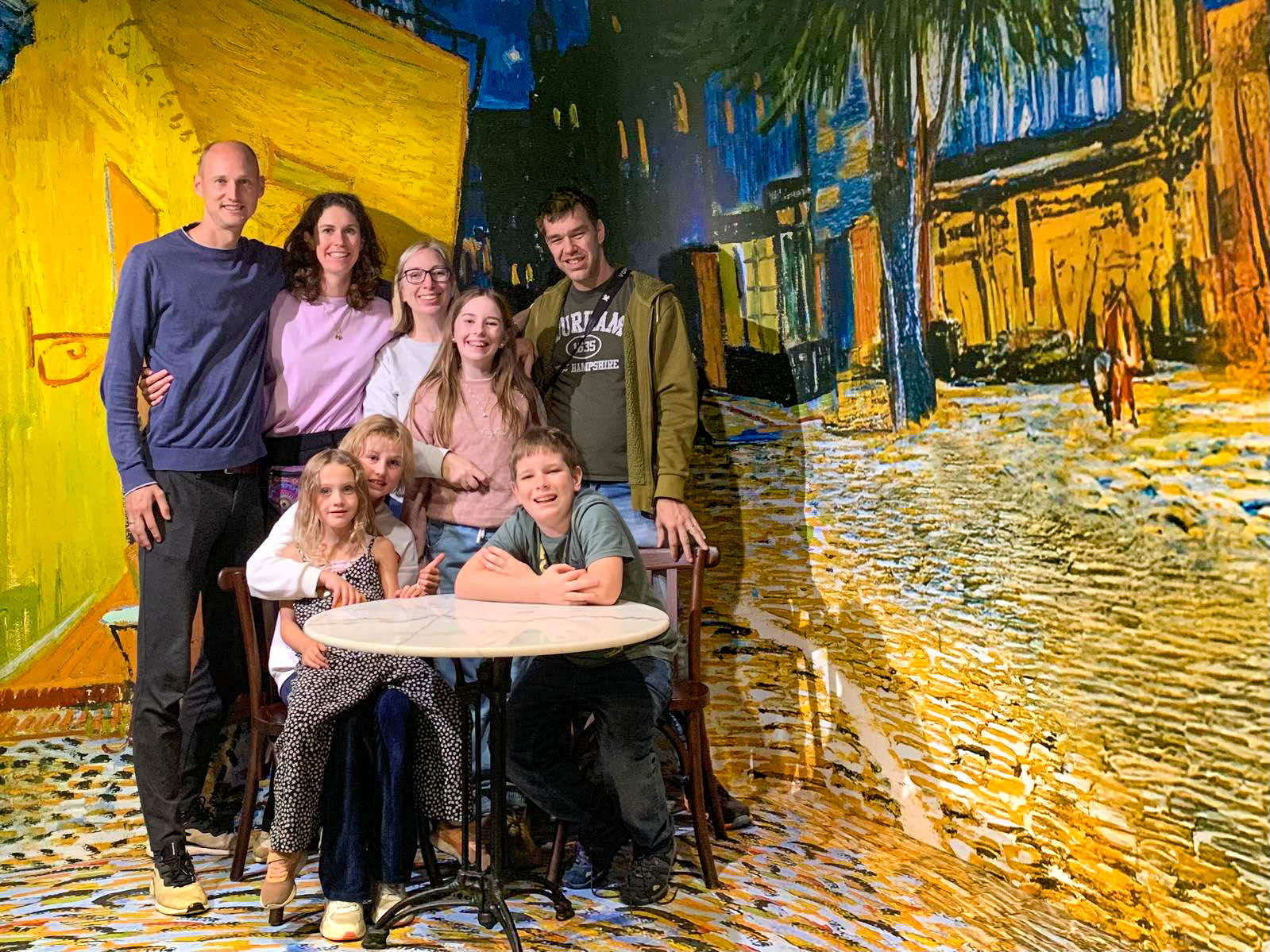
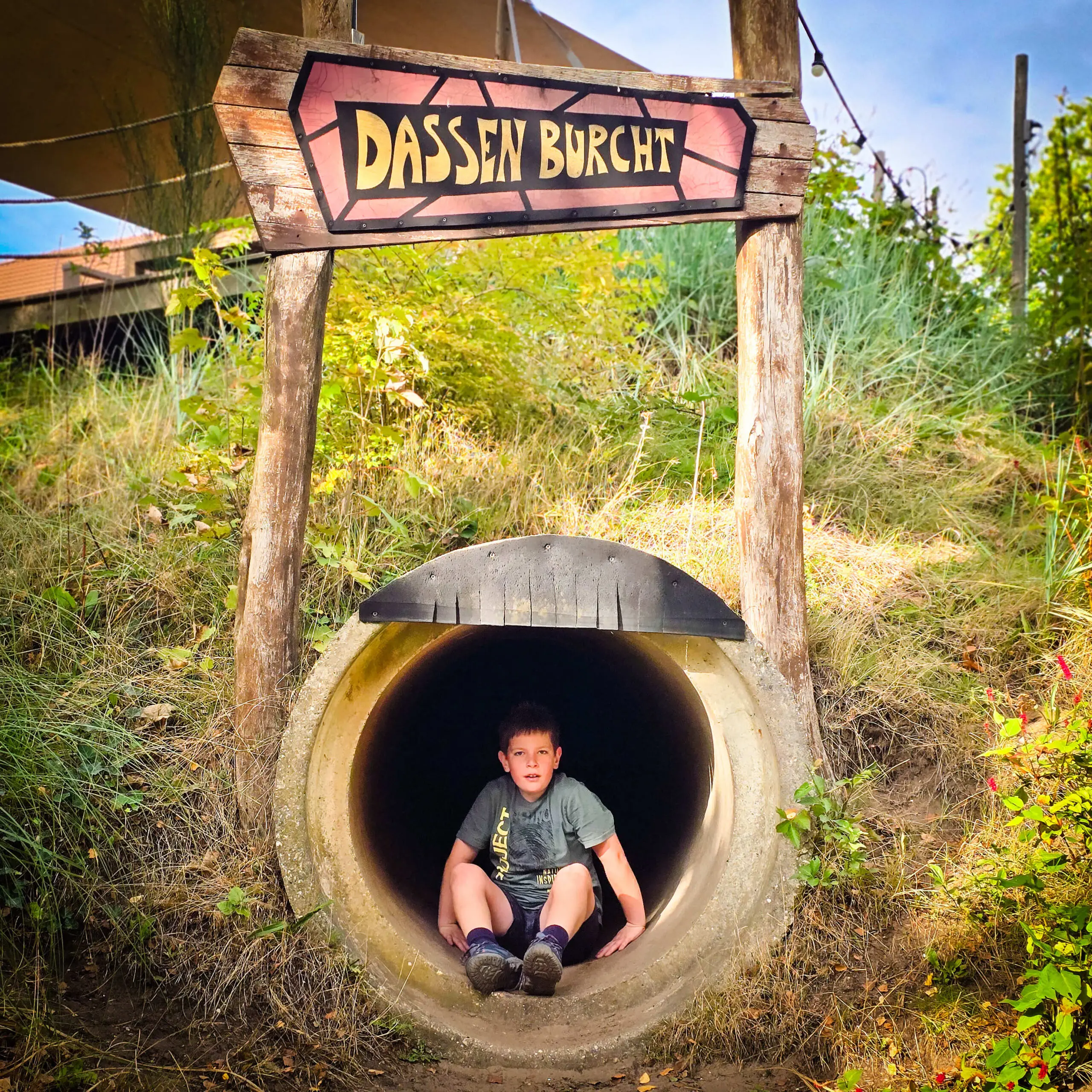
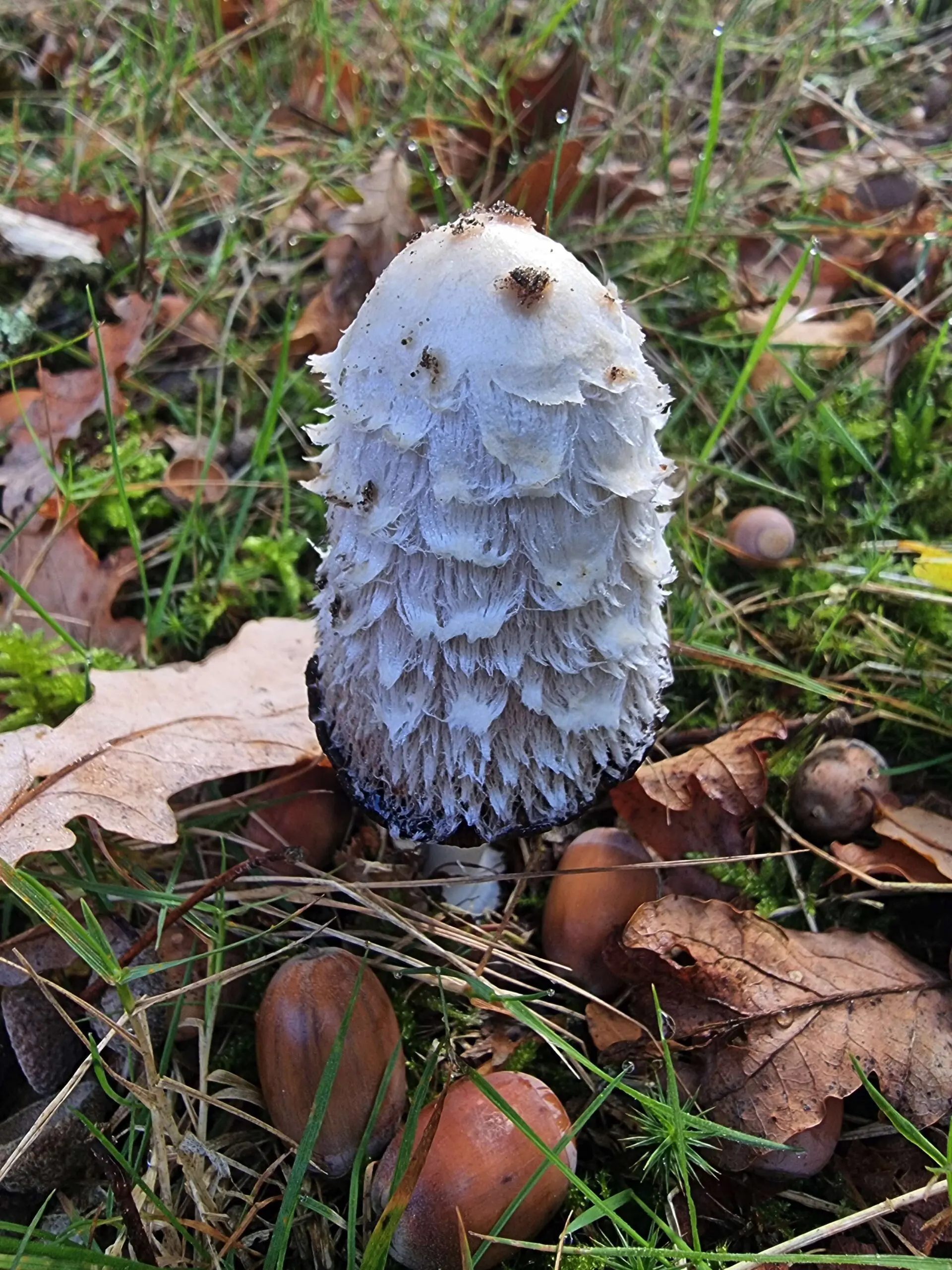
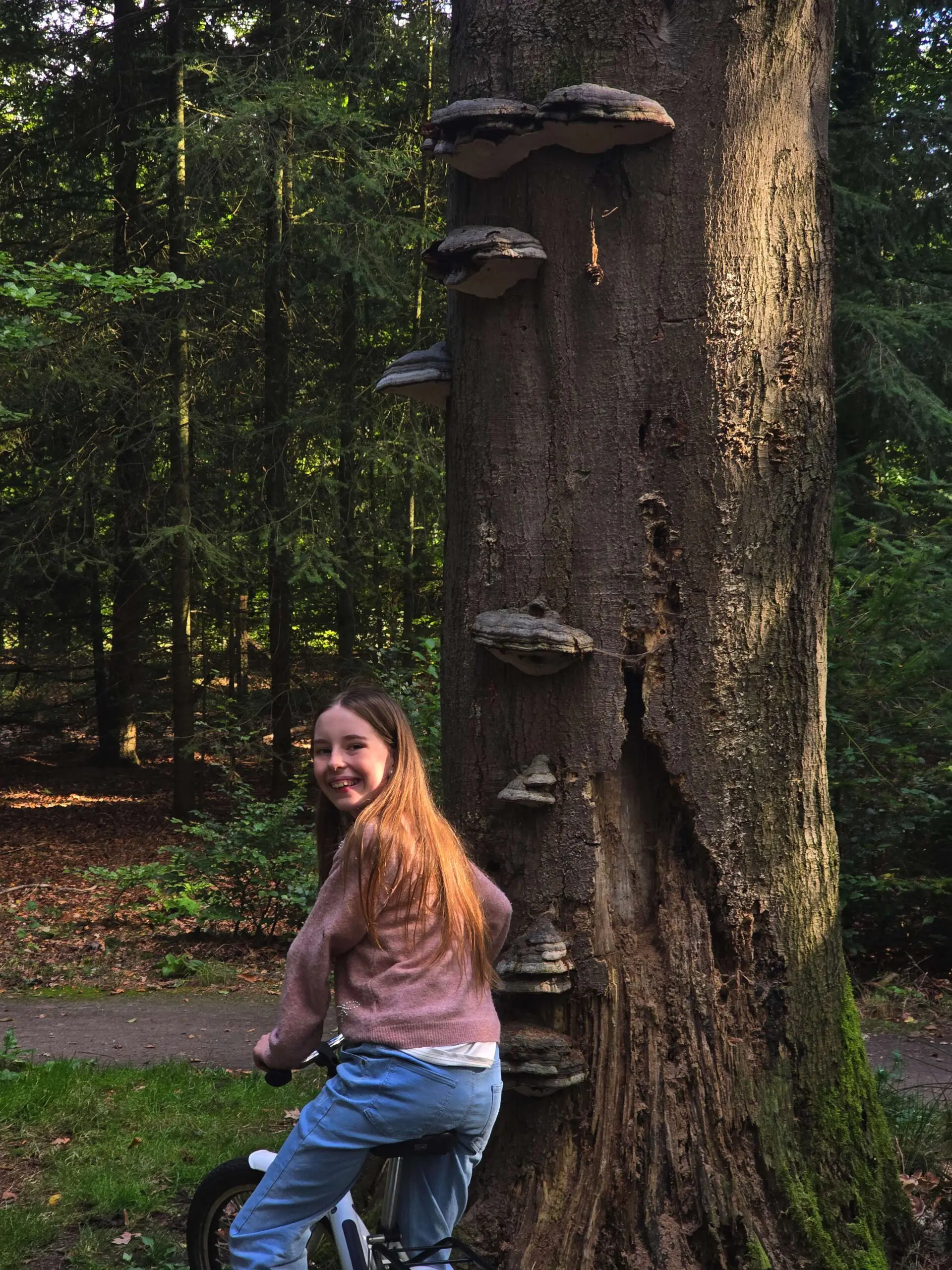
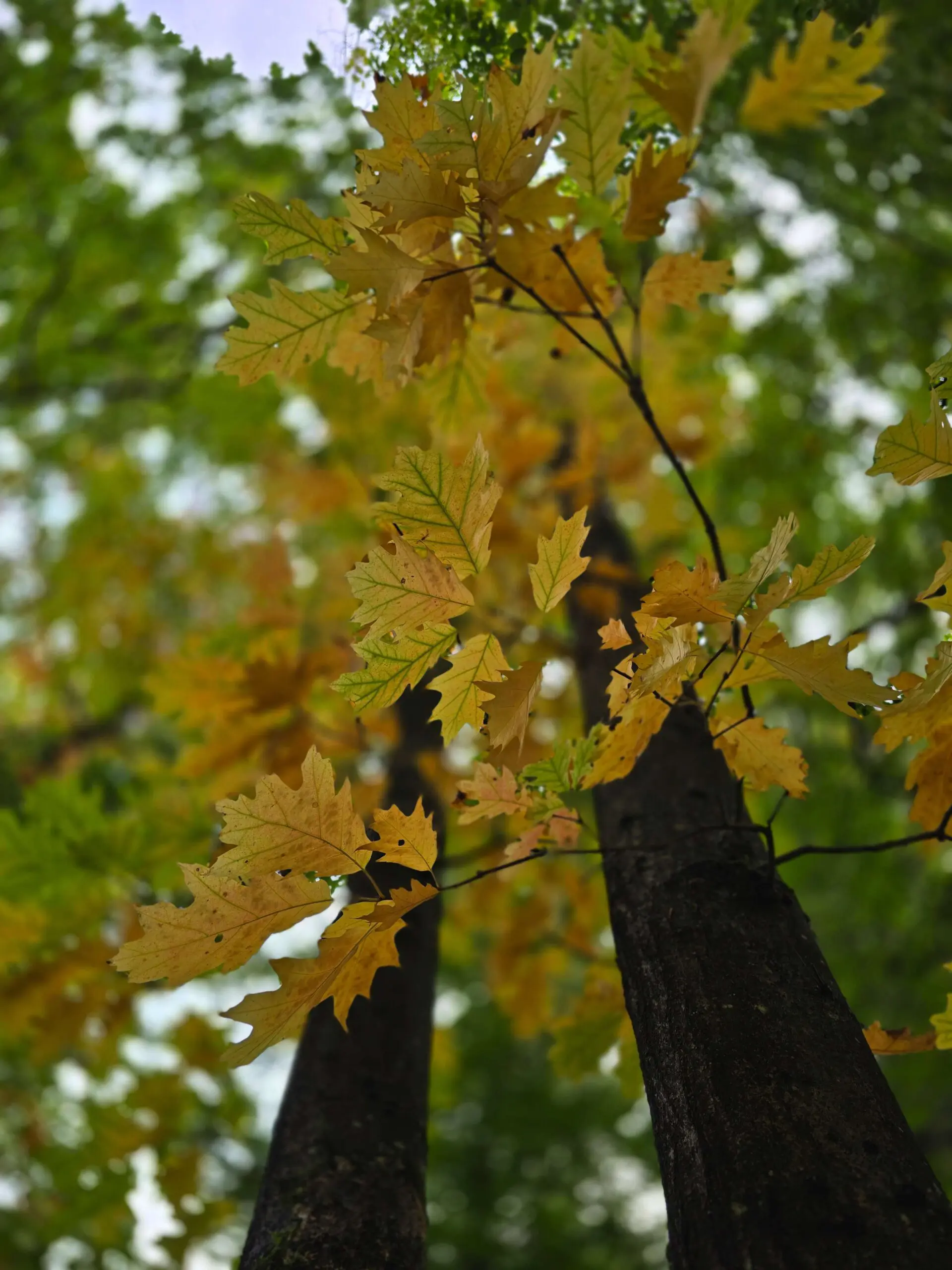
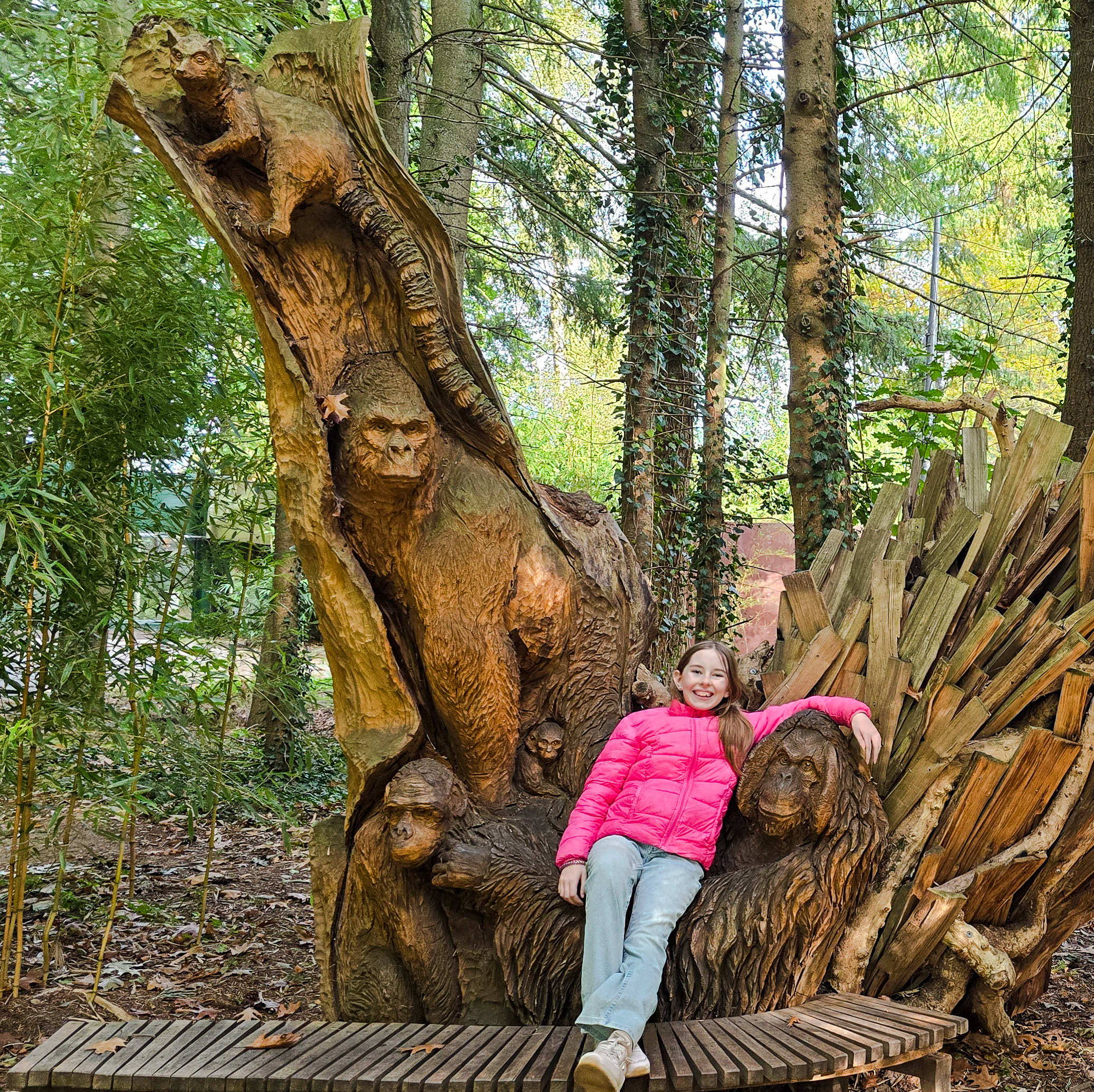
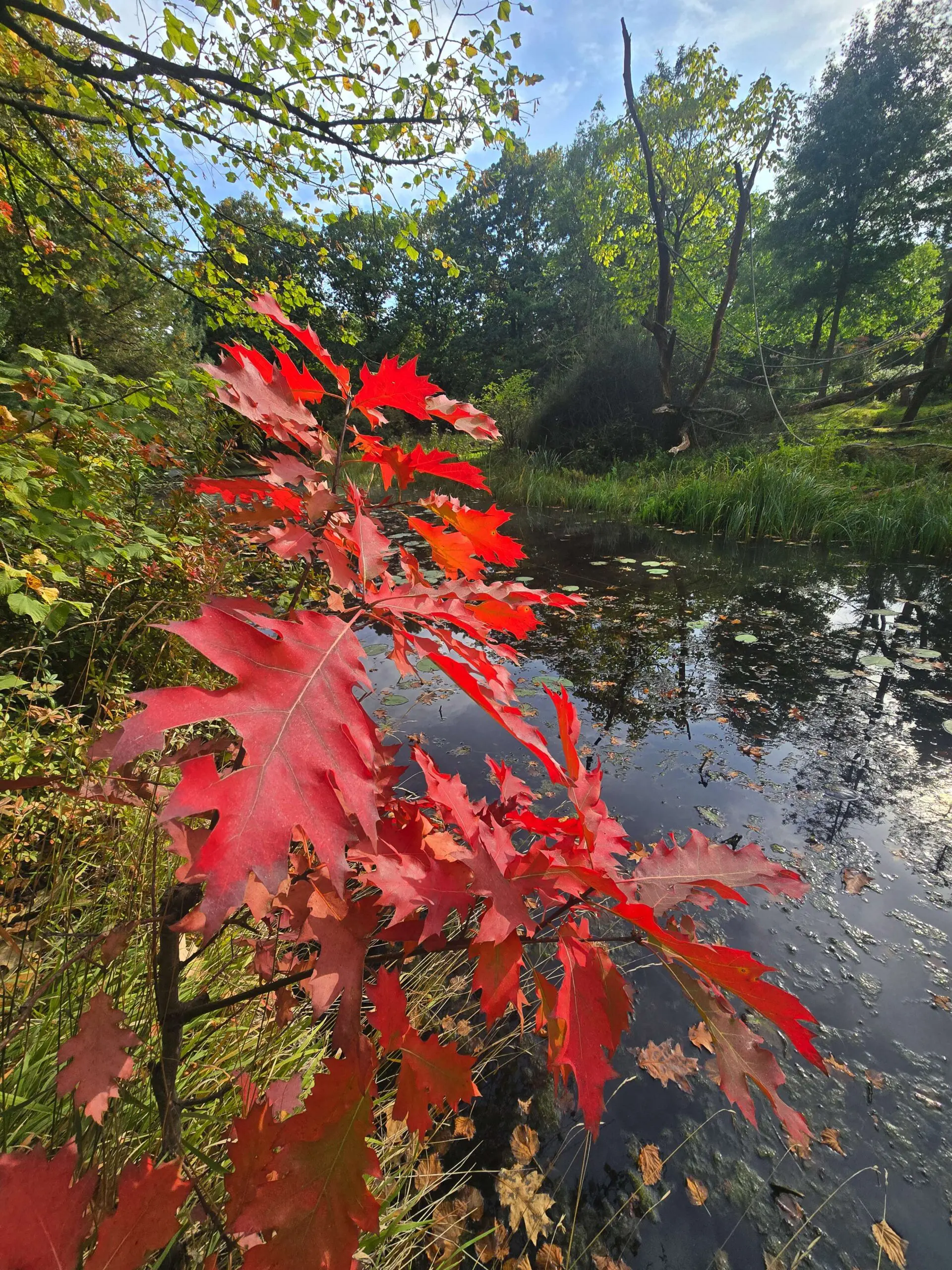
Then I went to the Netherlands, wandering through forests and looking for fungi in that painterly drizzle that makes everything look thoughtful. We biked through the Veluwe, laughed a lot, and visited museums and shops and cafés. There were moments of pure joy — and moments of sheer exhaustion — and even those bizarre travel limbos, like sitting stuck on a runway in Dubai wondering how a journey can feel both epic and completely ridiculous at the same time.
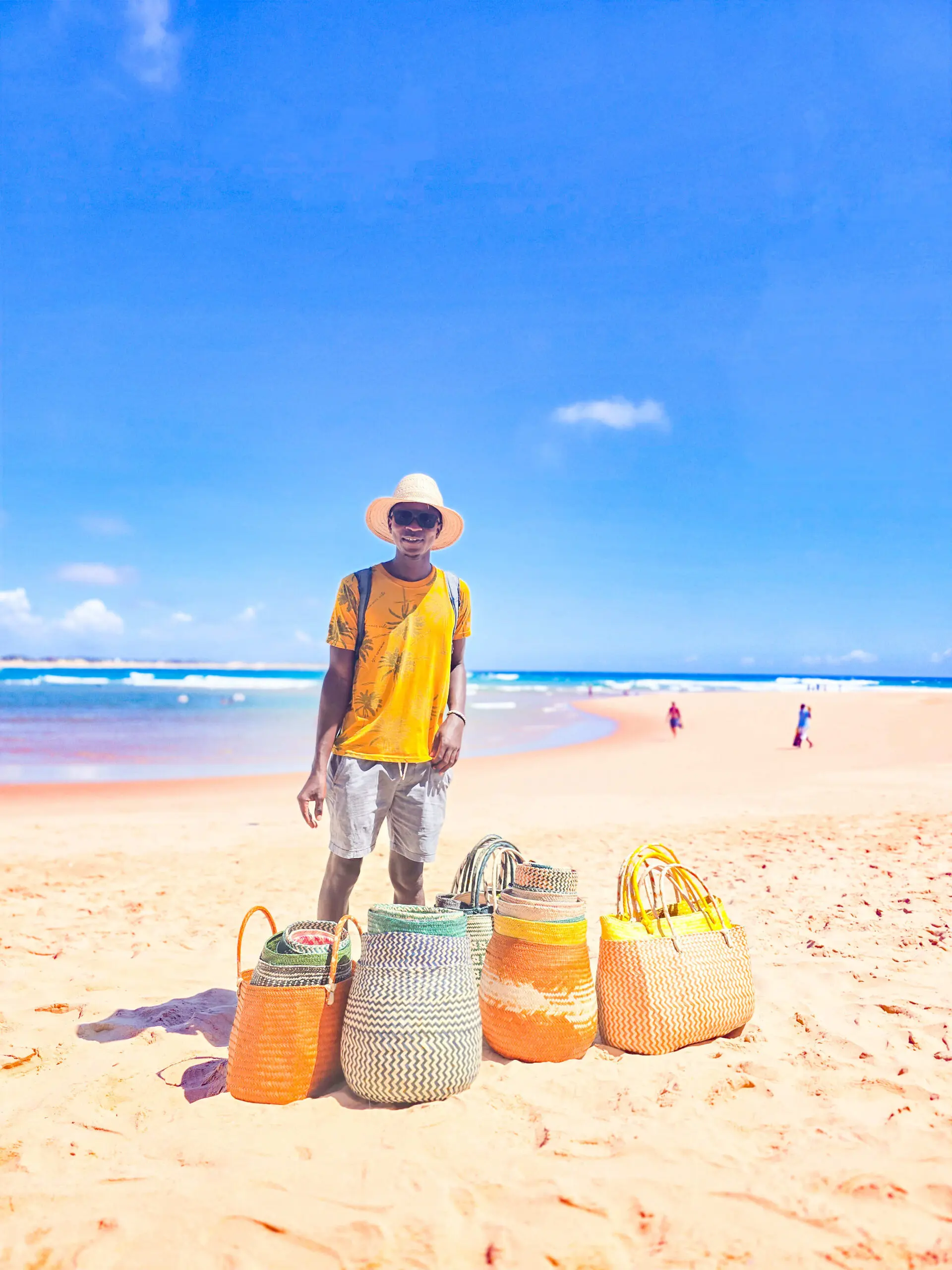
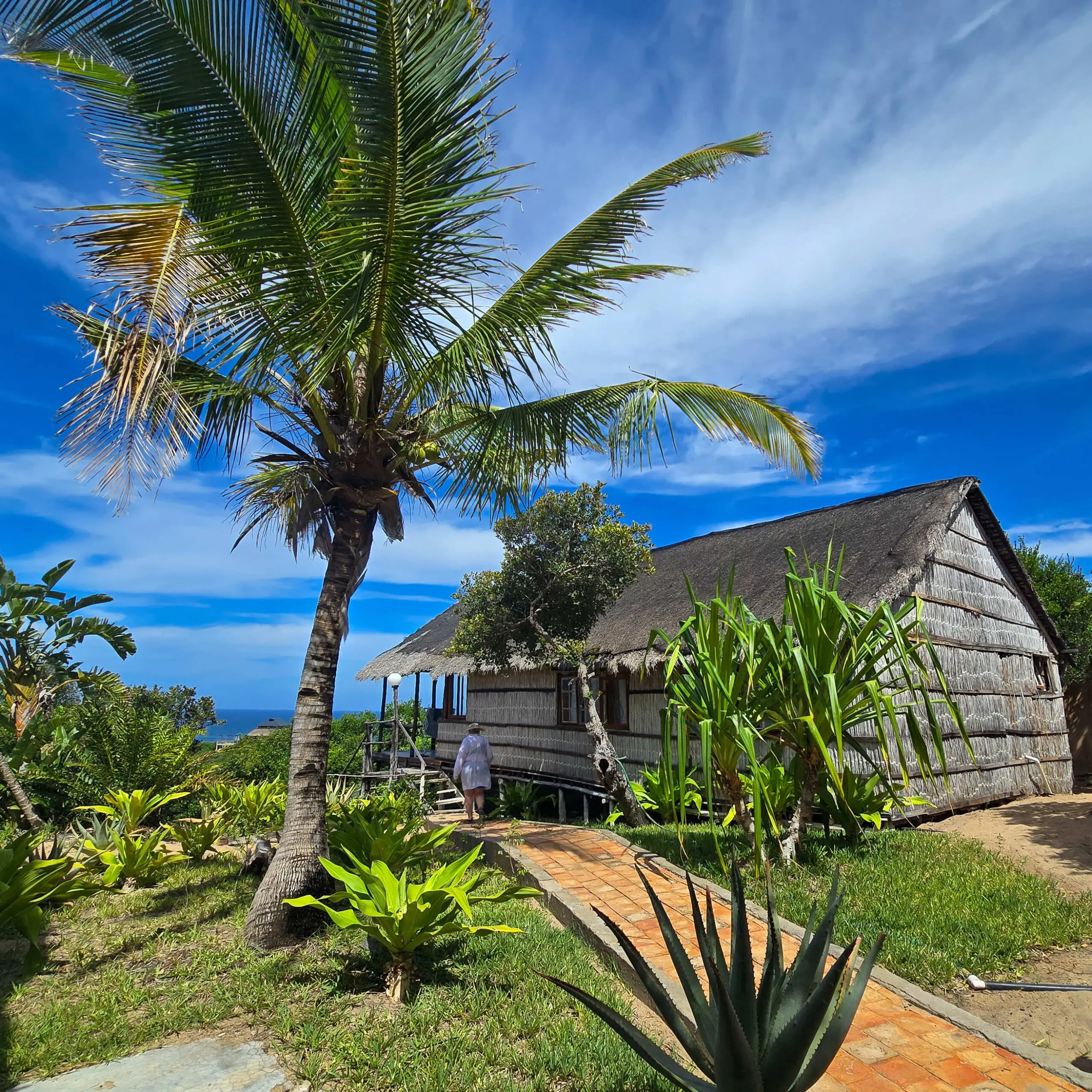
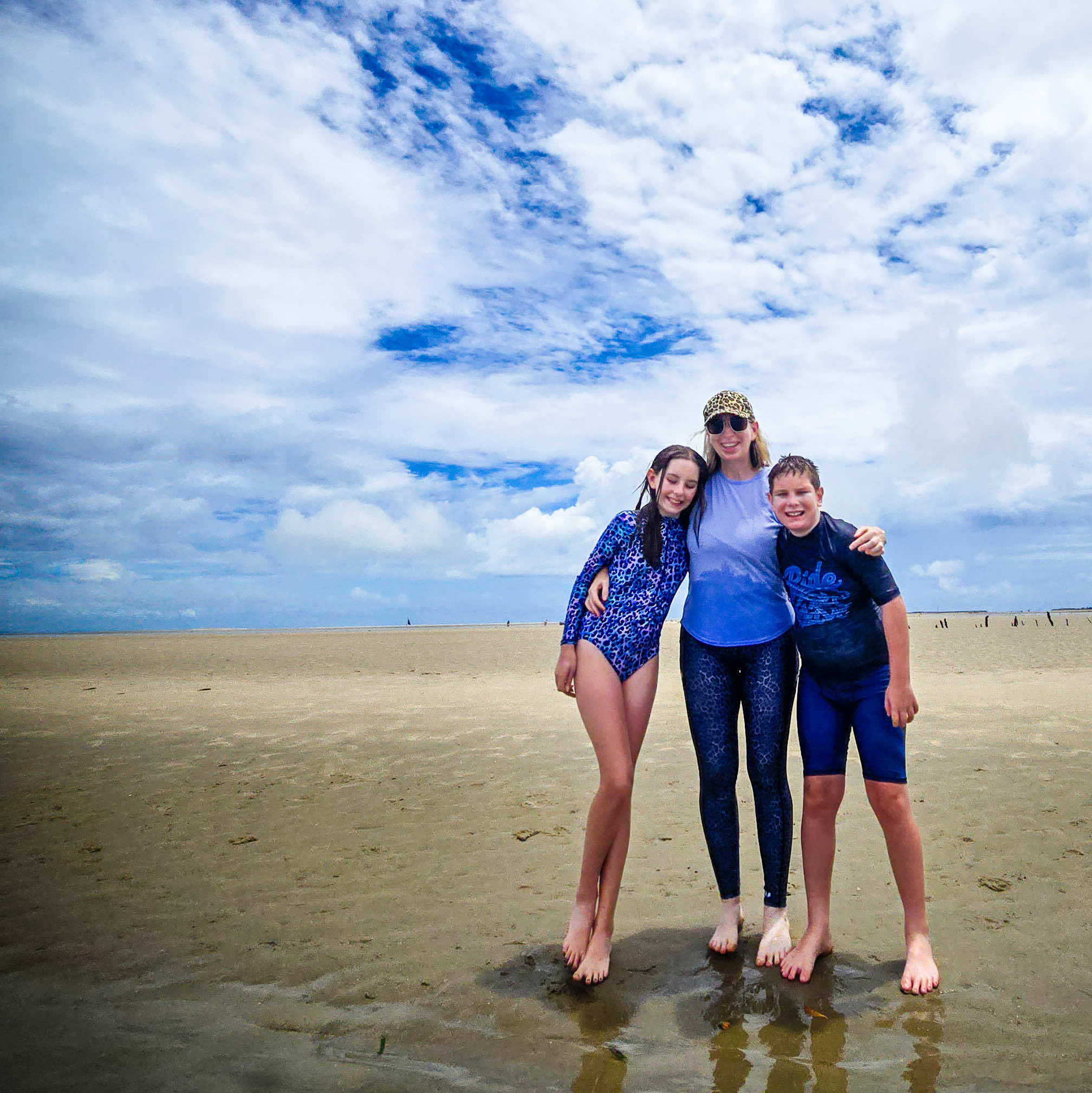
And then Tofo, Mozambique. Salt everywhere. Wind that tangled my hair before breakfast. Fishermen hauling nets at dawn. The sea felt alive, steady and welcoming, as if it had simply made room for our small, happy lives for a while. We stayed somewhere simple where sand crept inside no matter how much you swept. Some sunsets were absurdly cinematic, some days scorching, other wet. My kids ran feral on the beach, salty and sunburnt and happy. I took pictures. I posted a few. But I didn’t build a story out of any of it.
When Experience Becomes "Raw Material"
Here’s what I’ve been realizing — slowly, and feeling a bit precious and extra about it too.
I have spent years traveling like a writer even when I’m “off.” My eyes are trained to notice detail. My brain automatically frames scenes. I can’t help collecting images; it’s simply how I notice the world and hold on to moments that would otherwise slip away. That hasn’t changed.
What changed this year is that I stopped treating every beautiful moment as raw material that had to be turned into a product. And that came less from some spiritual breakthrough and more from plain old burnout.
Not travel burnout (though airports help nobody) but writer burnout: the pitching, the chasing, the invoices, the silence, the self-doubt that lingers even after you’ve had a largely successful career.
The strange fatigue of loving your craft and feeling worn down by how relentless the business side is.
Paying My Own Way
There was another layer to these trips that felt quietly different too: I paid for every single one of them.
That might sound small, but in South African travel writing it is not. Some of the work I’ve done — and will likely do again — exists in a system where trips are hosted (and transparently acknowledged as such). It’s the norm, the structure, the trade-off of an industry under pressure, with ever-shrinking margins.
I hate it and live for the few overseas clients I have that cover all costs, because that transaction is a shield. Without it, you’re not necessarily compromised — but you are subtly repositioned, pulled closer to gratitude than critique, closer to hospitality than independence. You tell yourself it doesn’t affect you, yet the dynamic shifts anyway: you are never quite as anchored in your own neutrality as you wish to be. More aware of being a guest than a witness.
For these trips, I was attentive to what I was choosing, more grateful for what I received, and less inclined to turn experience into “content.” When you are footing the bill, you feel the real weight and worth of travel — the privilege of it, but also its cost.
It kept me honest.
It slowed me down.
It gave me space to think conceptually about what I do.
In Mauritius I watched dolphins and dancing light.
On the Whale Trail I walked and listened to wind.
In the Netherlands I drank coffee and rode bikes and it was gezellig.
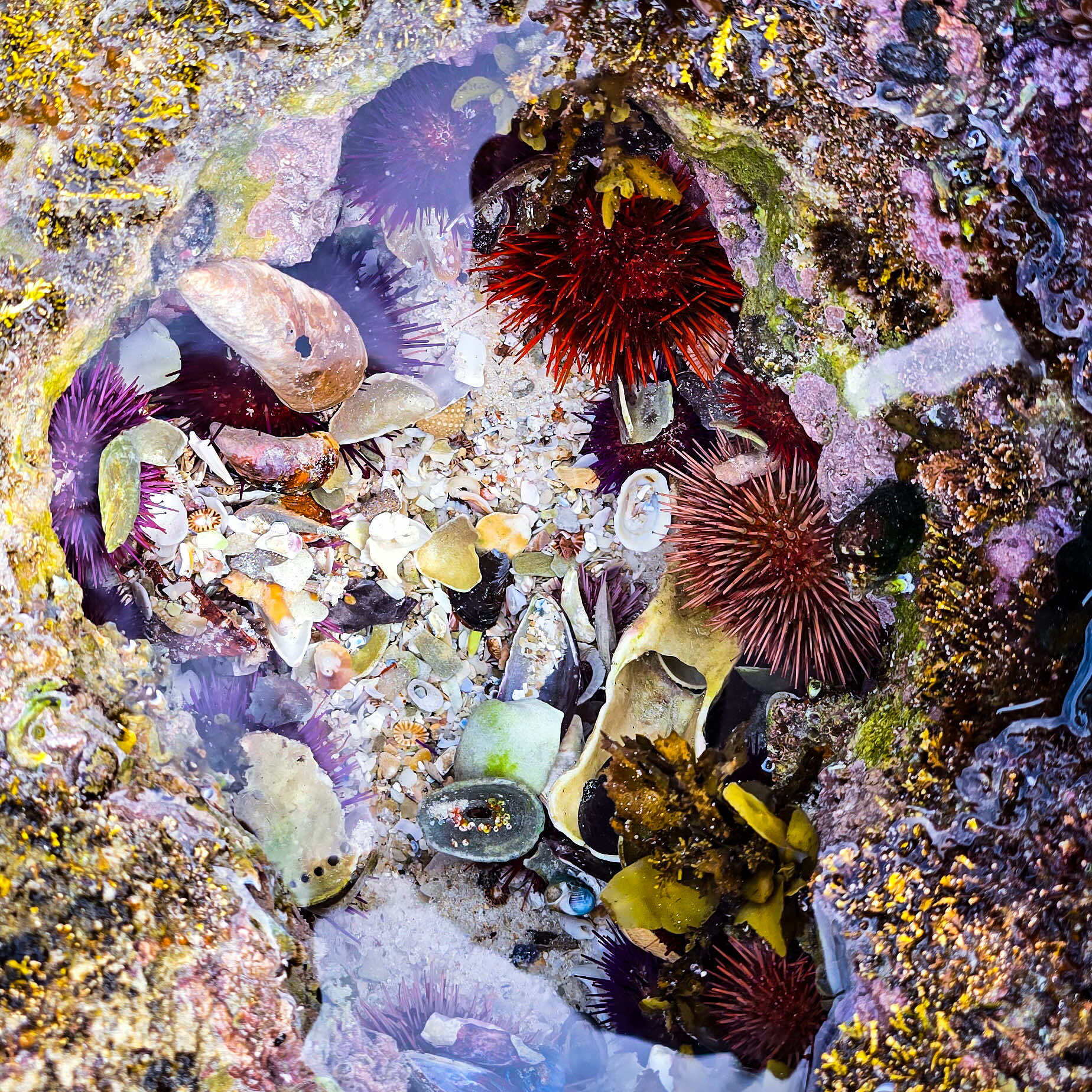
In Tofo I counted starfish and drank from coconuts.
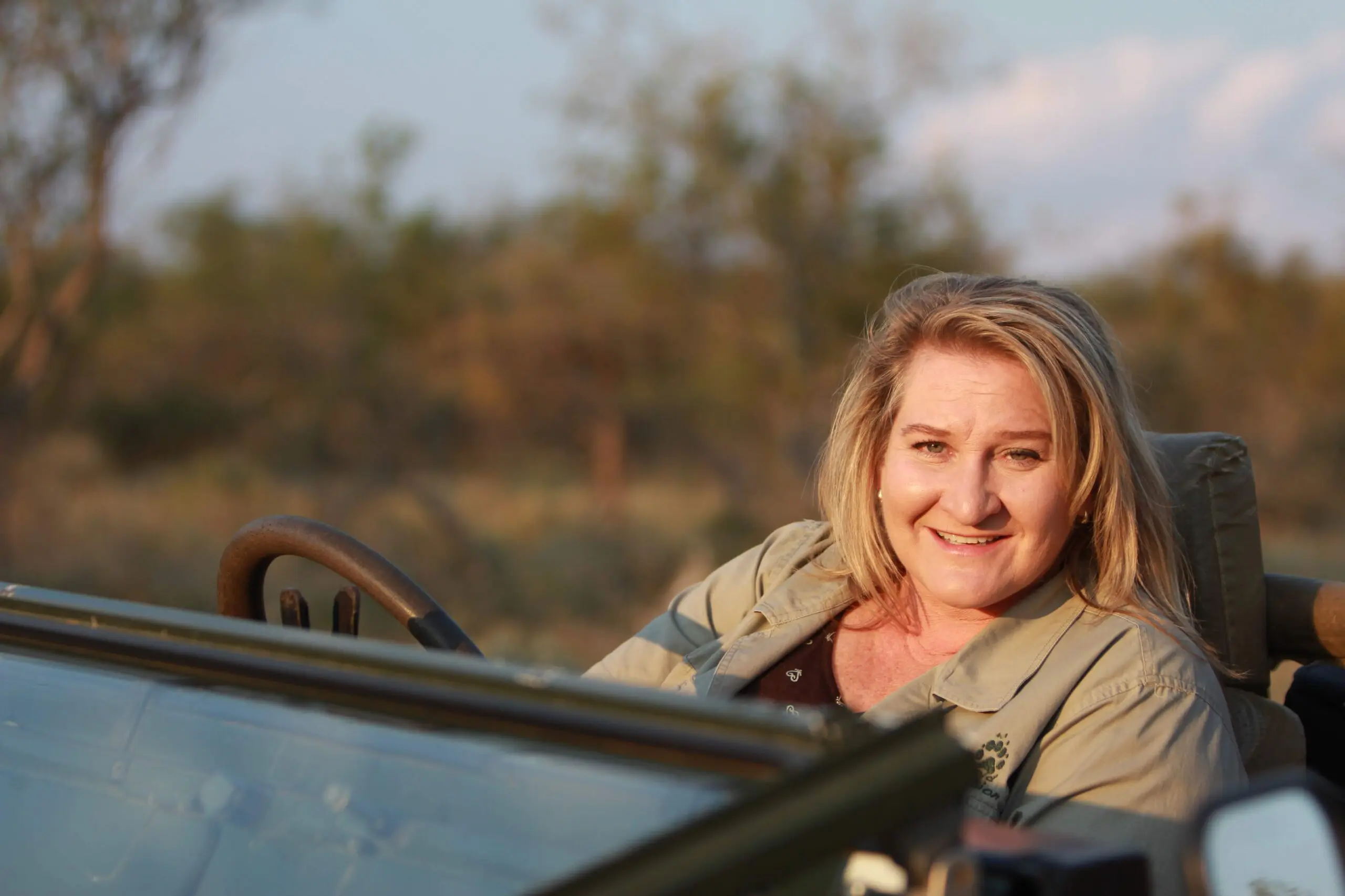
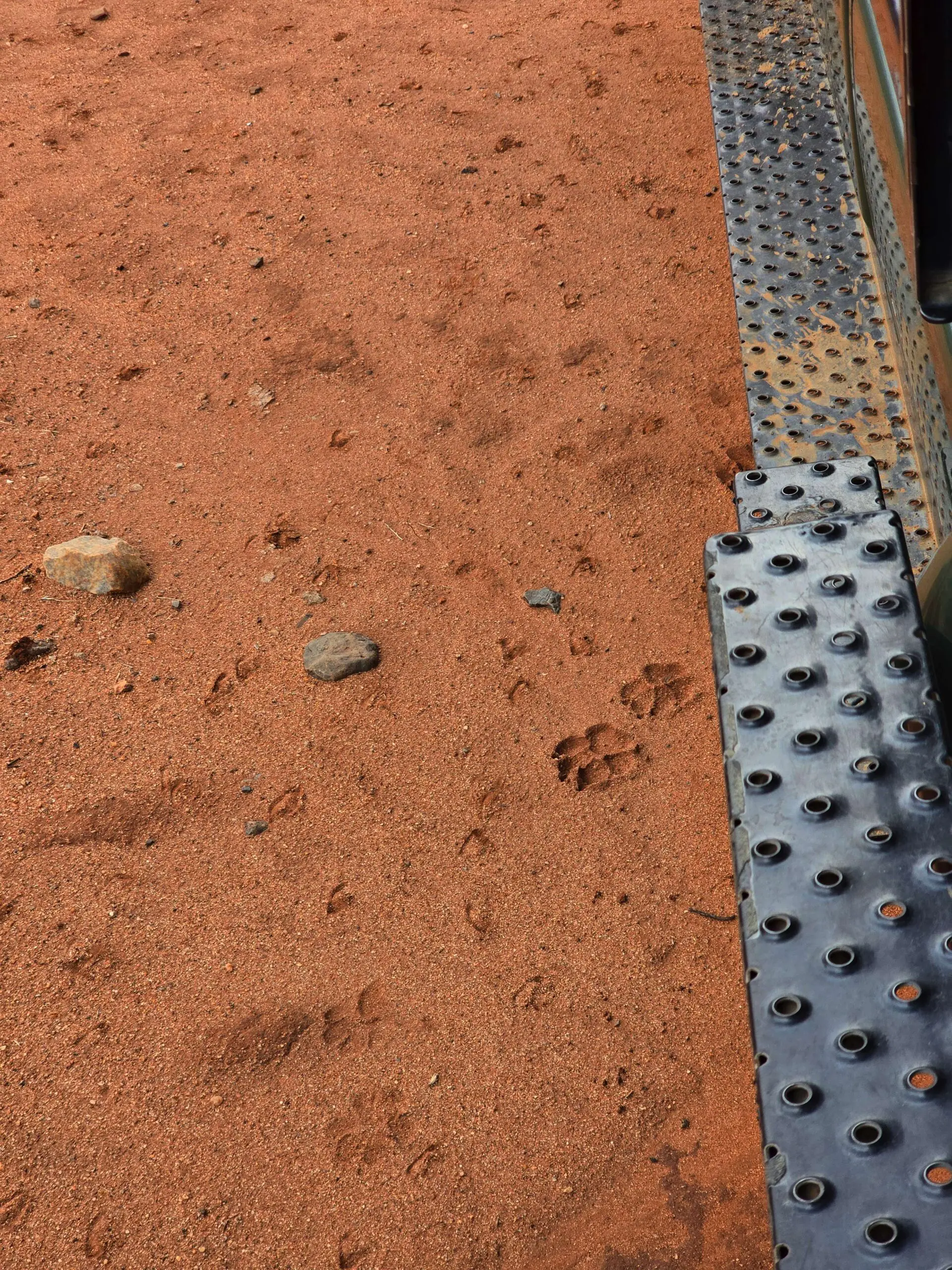
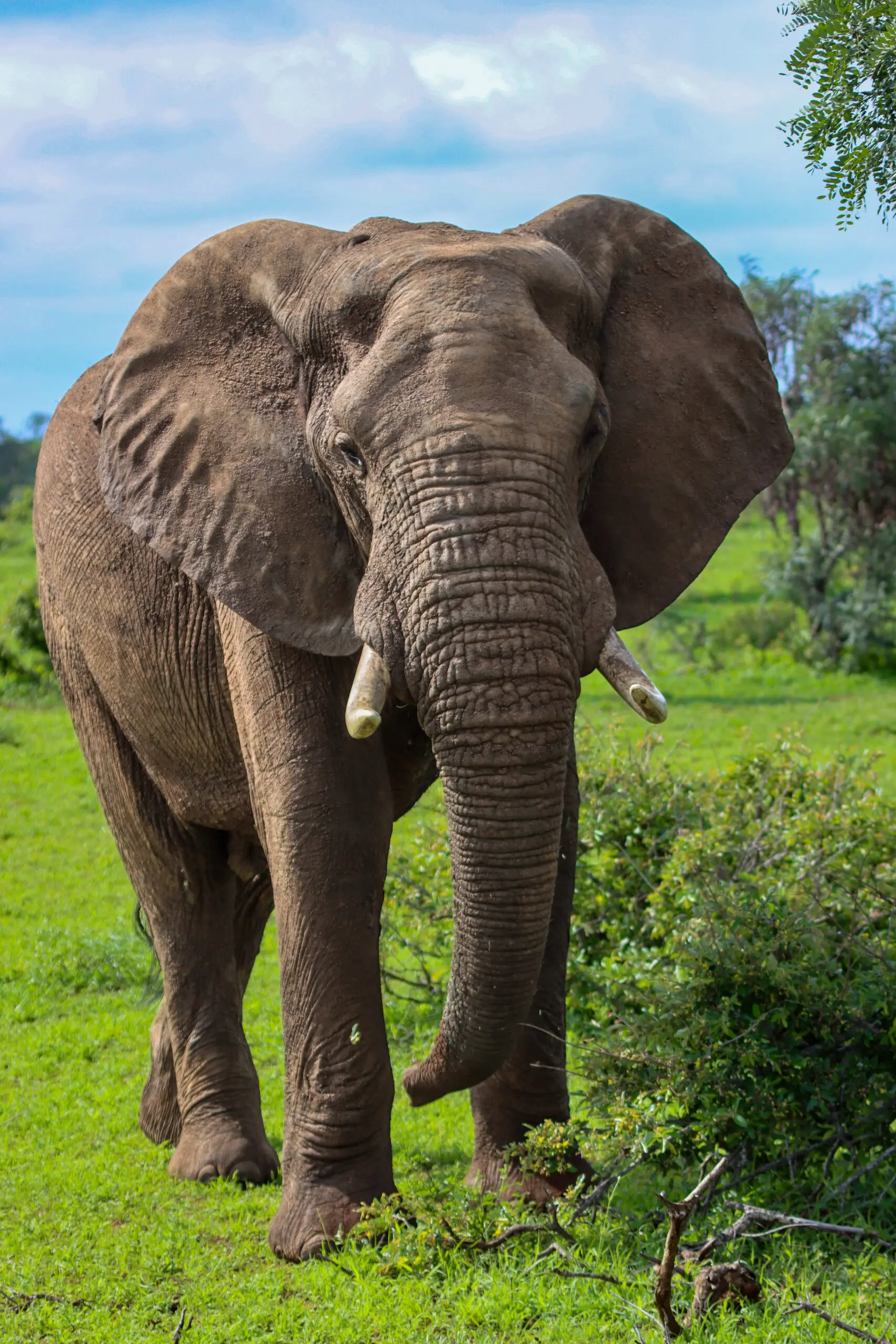
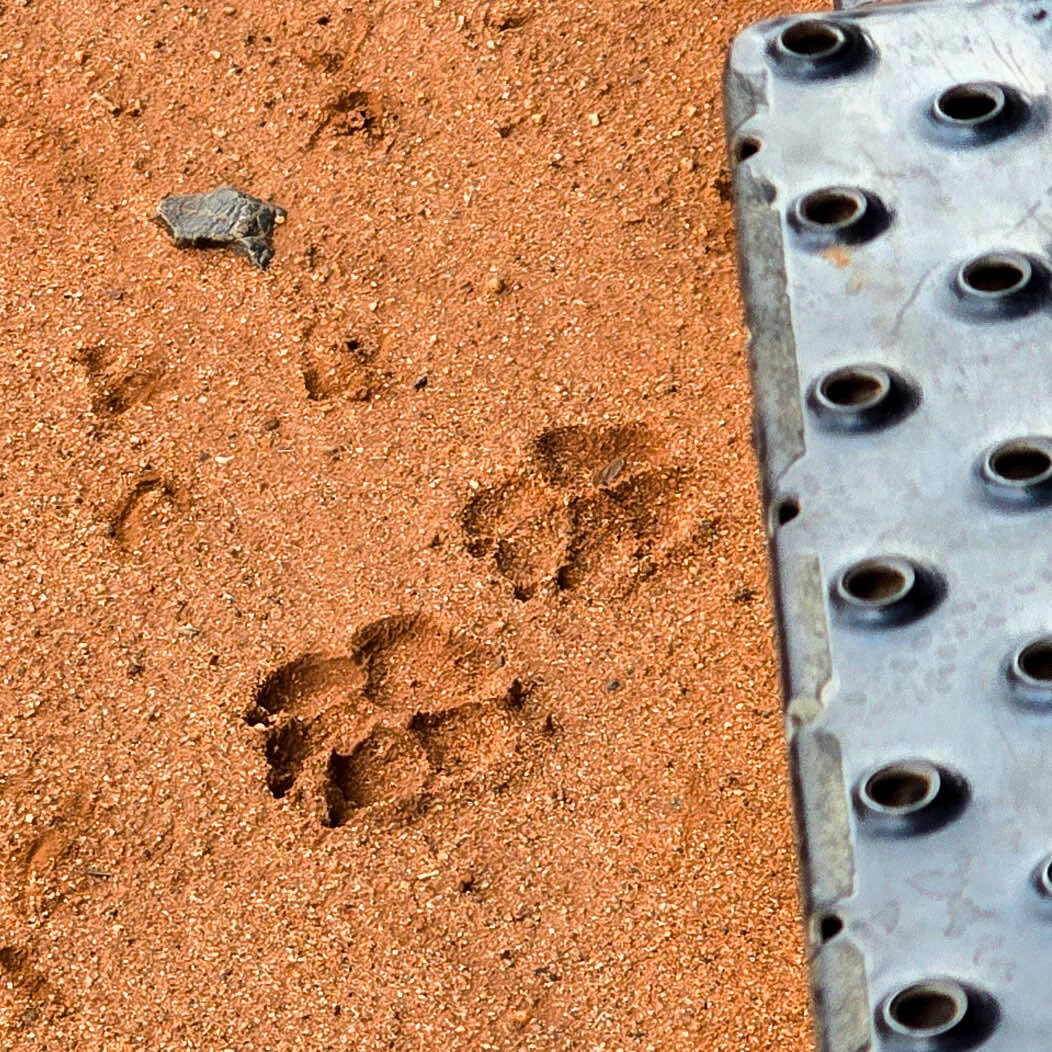
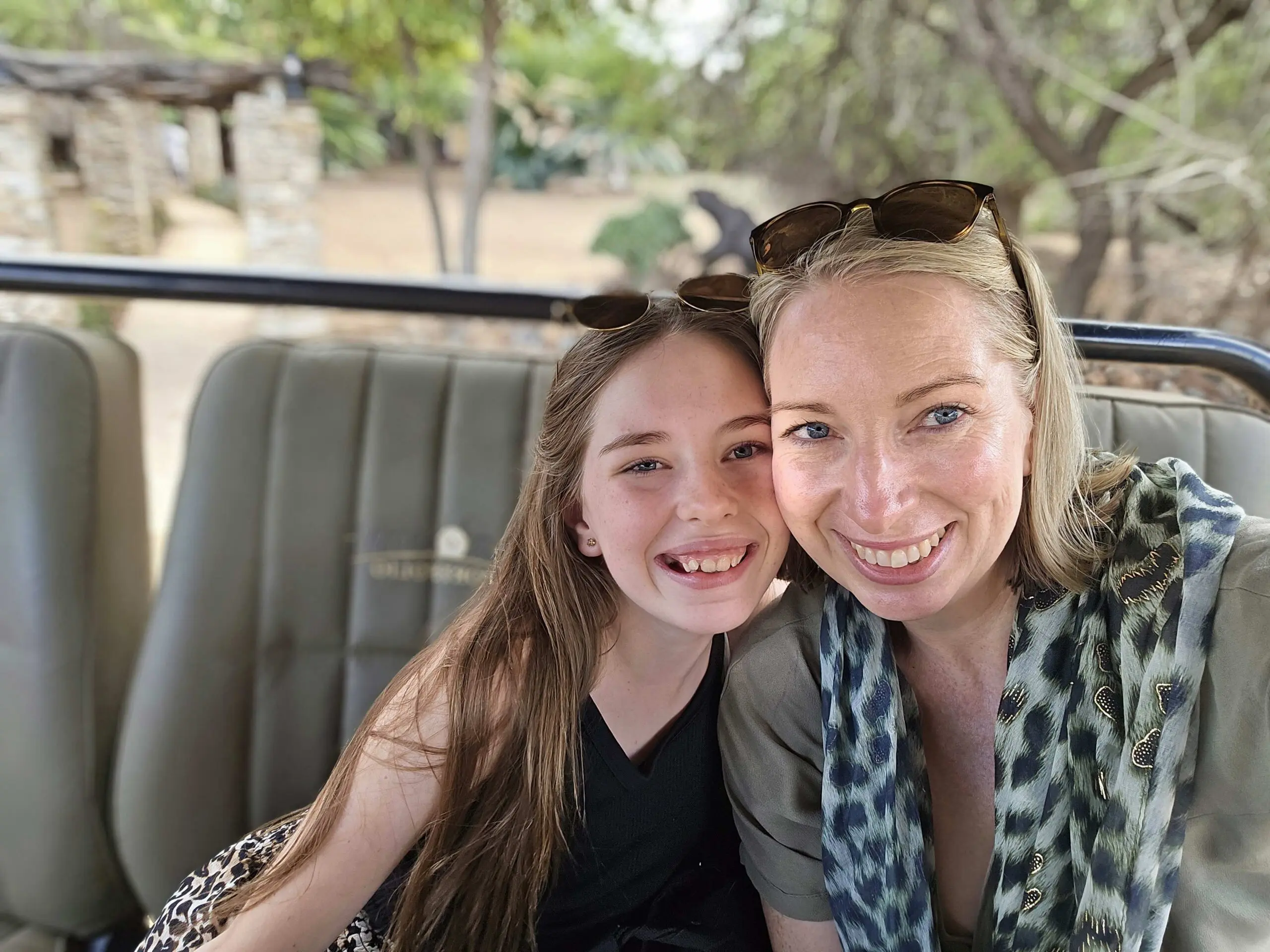
In between all of this, I slipped back into Kruger a few times too, to a private lodge and to the national park’s rest camps. Not working, I could once again feel that familiar relief of being back in a landscape that calibrates my breathing. In Karongwe with my daughter, we saw cheetah on foot, and later, wrapped in darkness, listened to lions roaring across the night.
Lessons for the Road Ahead
If — when — I write about these trips, I suspect they’ll sound different. Less polished. Less performative. More honest about what it actually felt like to be there: the joy, the chaos, the exhaustion, the wonder, and the quiet relief of being present.
Maybe that’s the gift of stepping back.
A few gentle, practical things I’ve carried forward (for any writer who recognizes this feeling):
Burnout isn’t failure. It’s your system asking for a slower pace.
Travel can restore curiosity — but sap it too.
Confidence comes back sideways — through small joys, not big wins.
You’re allowed to experience things without immediately extracting value from them.
So yes, between July and December of 2025 I went to Mauritius, walked the Whale Trail, wandered the Netherlands, soaked up the sun in Tofo, and slipped back into Kruger in between.
And I didn’t write about any of it.
Not yet.
Which might be the most writerly thing I’ve done in a while.