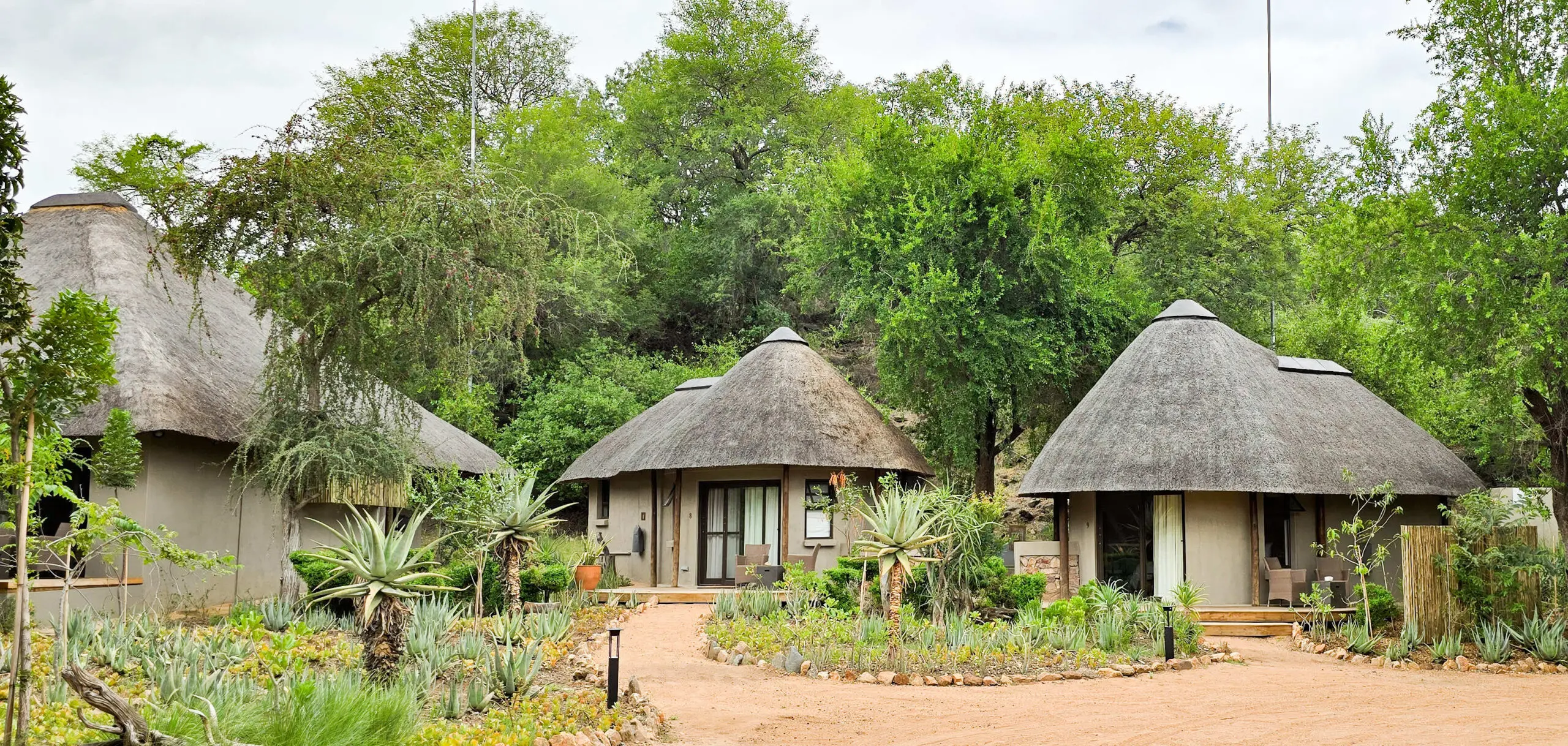
We watched the slow-moving herd amble through the drainage line in front of Koru Camp in the Greater Kruger National Park. Some lingered while others climbed the steep bank. Their dust-softened hides were splashed dark with water from an earlier drink. Ears fanned, tails flicked, trunks curled and reached — and then we spotted the calf, still wobbly on oversized feet.
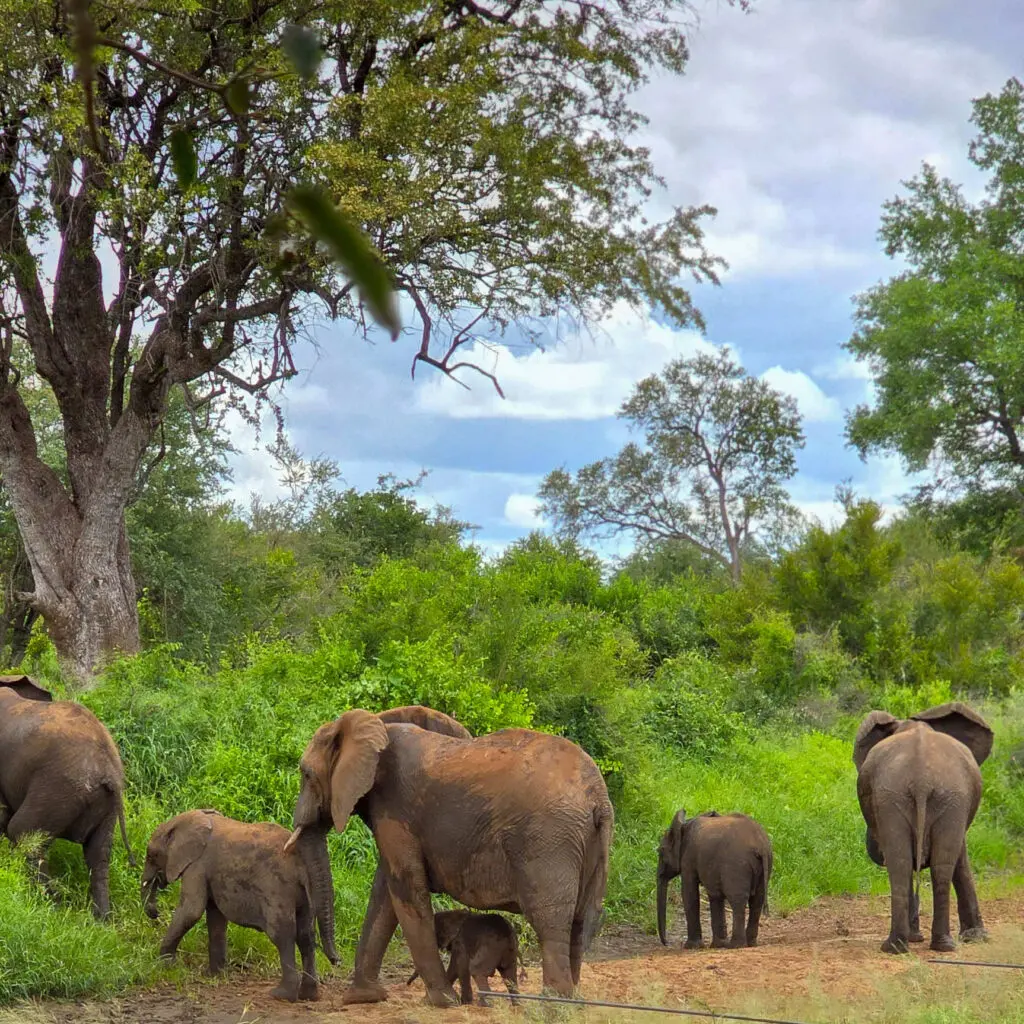
For people who have spent a lifetime alongside elephants, the scene is familiar. But imagine seeing one for the very first time: a child with eyes stretched wide in wonder, or an elder who has lived beside Kruger all their life yet never stepped inside it. What does it feel like to stand here, suddenly in the presence of giants?
That question sits at the heart of Koru Camp.
A Homecoming for the Community
Millions of South Africans live along the boundary of Kruger National Park. Far fewer have ever experienced it from within. Koru exists to change that — not as a tourist attraction, but as a form of homecoming.
It is the first camp in Greater Kruger purpose-built to host local communities on multi-day learning journeys about their natural heritage. Schools, youth groups, and elders — including gogos — visit through partnerships with about two dozen NGOs. For many, this is their first time inside a protected area they have lived beside for generations.
Koru runs on a highly subsidised model, with most costs covered by the Tanglewood Foundation, which supports conservation and education projects across southern Africa. The camp is more than a classroom in the bush: it is a collaboration hub where partner organisations can work together, share resources, and deepen their impact. Its aim is both simple and radical — to democratise access to conservation spaces and reconnect Black children, teens, and elders with their natural heritage.
“The reactions from our guests — especially the kids — are priceless,” says Peter Eastwood, the New Zealand-born businessman, bush lover, and philanthropist who built and funds Koru.
Sashwa River of Stars: Luxury with a Purpose
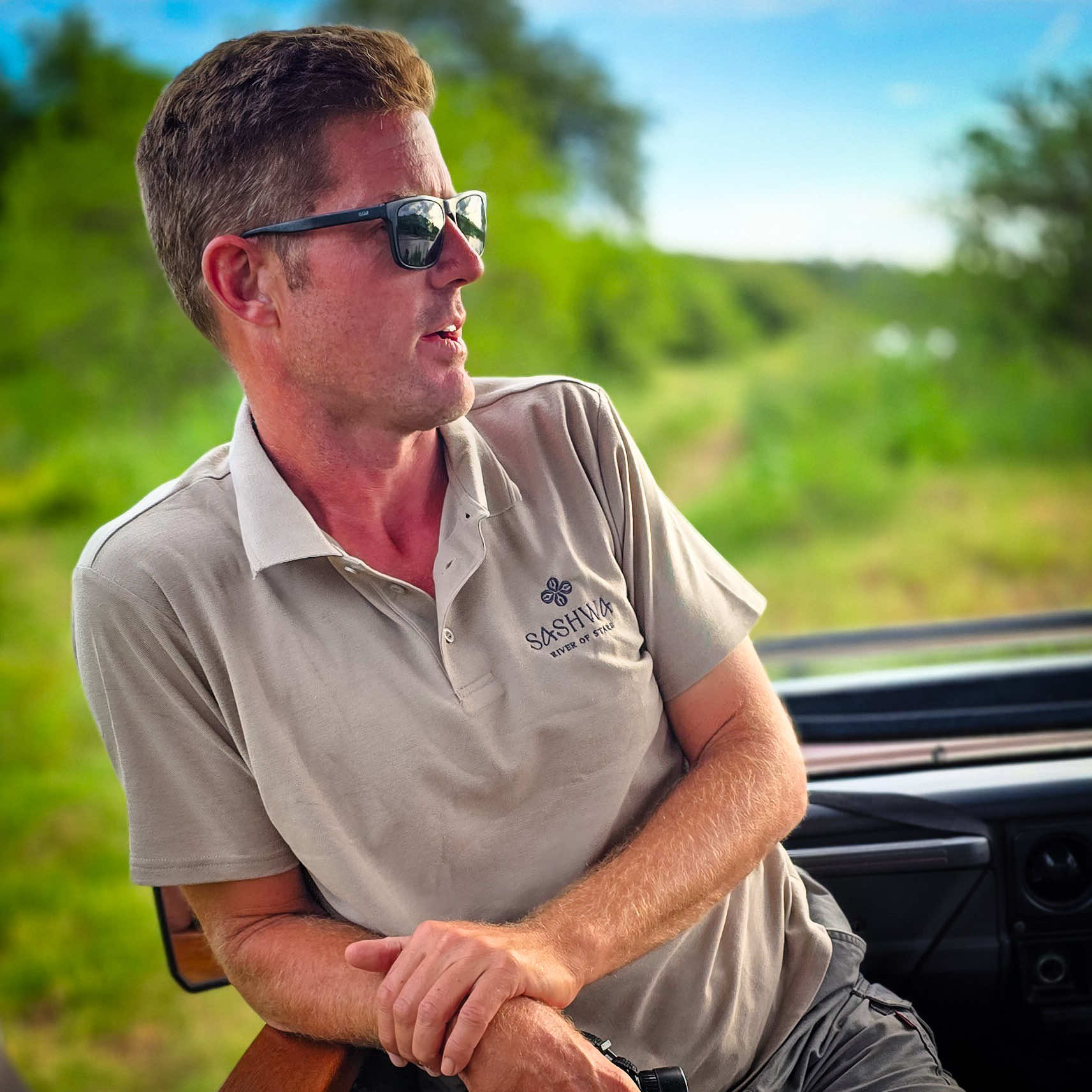
Eastwood also created Sashwa River of Stars, a social enterprise lodge a few kilometres away that exists to financially sustain Koru. The two places feel different — one community-centred, the other quietly luxurious — yet both are rooted in immersion, respect for nature, and thoughtful design.
Eastwood’s story begins far from the Olifants River. His first trip to South Africa in the 1980s confronted him with the stark realities of apartheid. The inequalities he witnessed unsettled him and stayed with him long after he returned home. He had grown up reading Wilbur Smith’s romanticised Africa, but the more he travelled, the more he saw the widening gap between the magic of safaris and the social realities beyond park gates.
Later, the rhino poaching crisis shocked him. “I was horrified when I learned what was happening,” he recalls. “In New Zealand, the whole country would be in arms if someone attacked the kiwi. Here, it kept going until South Africa was losing more than a rhino a day.”
He began funding counter-poaching efforts in KwaZulu-Natal, but gradually realised that enforcement alone would not solve the problem. Lasting change, he believed, would come from connection, education, and belonging.
So he bought land in a private reserve within Greater Kruger and built Koru Camp to host community groups for multi-day stays. The Tanglewood Foundation now covers most operational costs. “We want the camp to become a hub that makes collaboration easier and amplifies impact,” he says.
His broader ambition is to seed similar camps across Africa, all following the same model: exclusive experiences for affluent travellers that underwrite access, education, and opportunity for local communities. Sashwa River of Stars is the only social enterprise lodge in the region that directs 100% of its profits toward a conservation education programme—in this case, Koru Camp.
As one Sashwa guest put it, “Feel good and do good.”
The First Plant-Based Safari Kitchen in South Africa
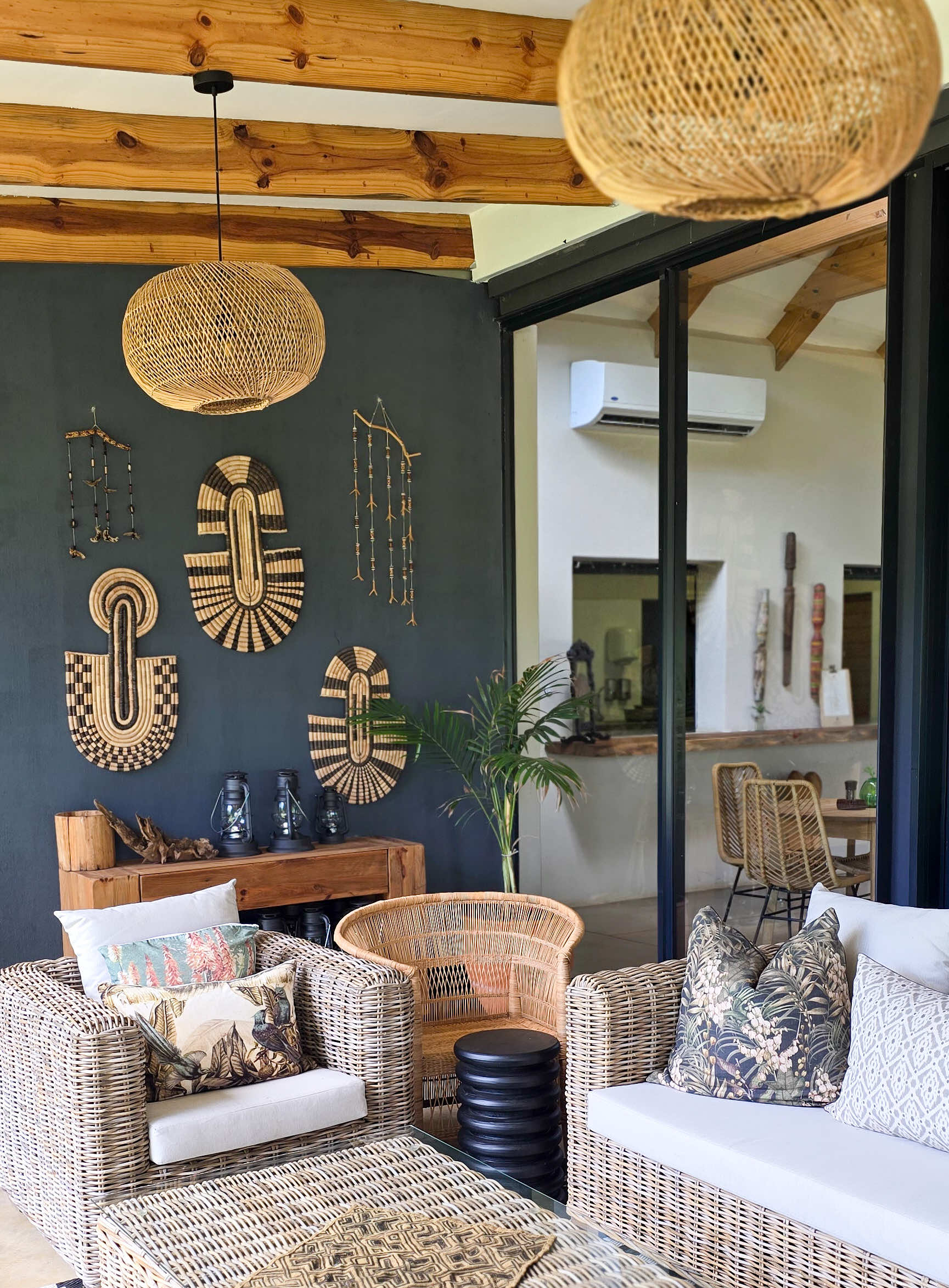
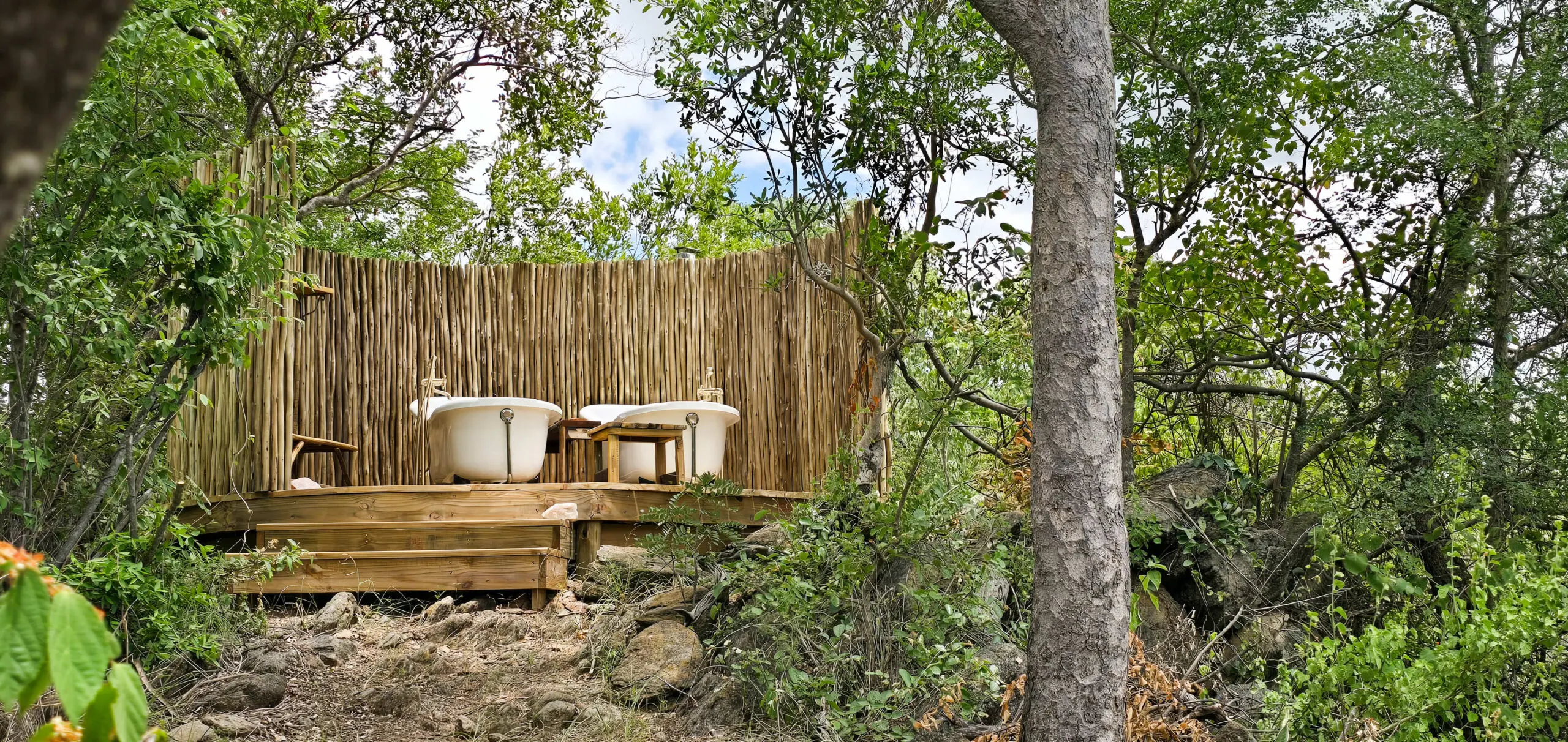
Sashwa blends wilderness with wellness in a way that remains unusual in this part of Kruger. The lodge includes a spacious yoga studio, a dedicated meditation room, a sauna and massage rooms, twin star baths perched on a secluded hilltop, and communal spaces designed for reflection.
At the heart of Sashwa is its plant-based kitchen — the first of its kind at a safari lodge in South Africa. Eastwood’s ethics are straightforward. “If we are trying to stop killing rhinos, why are we keeping cattle and chickens in such inhumane conditions?” he asks.
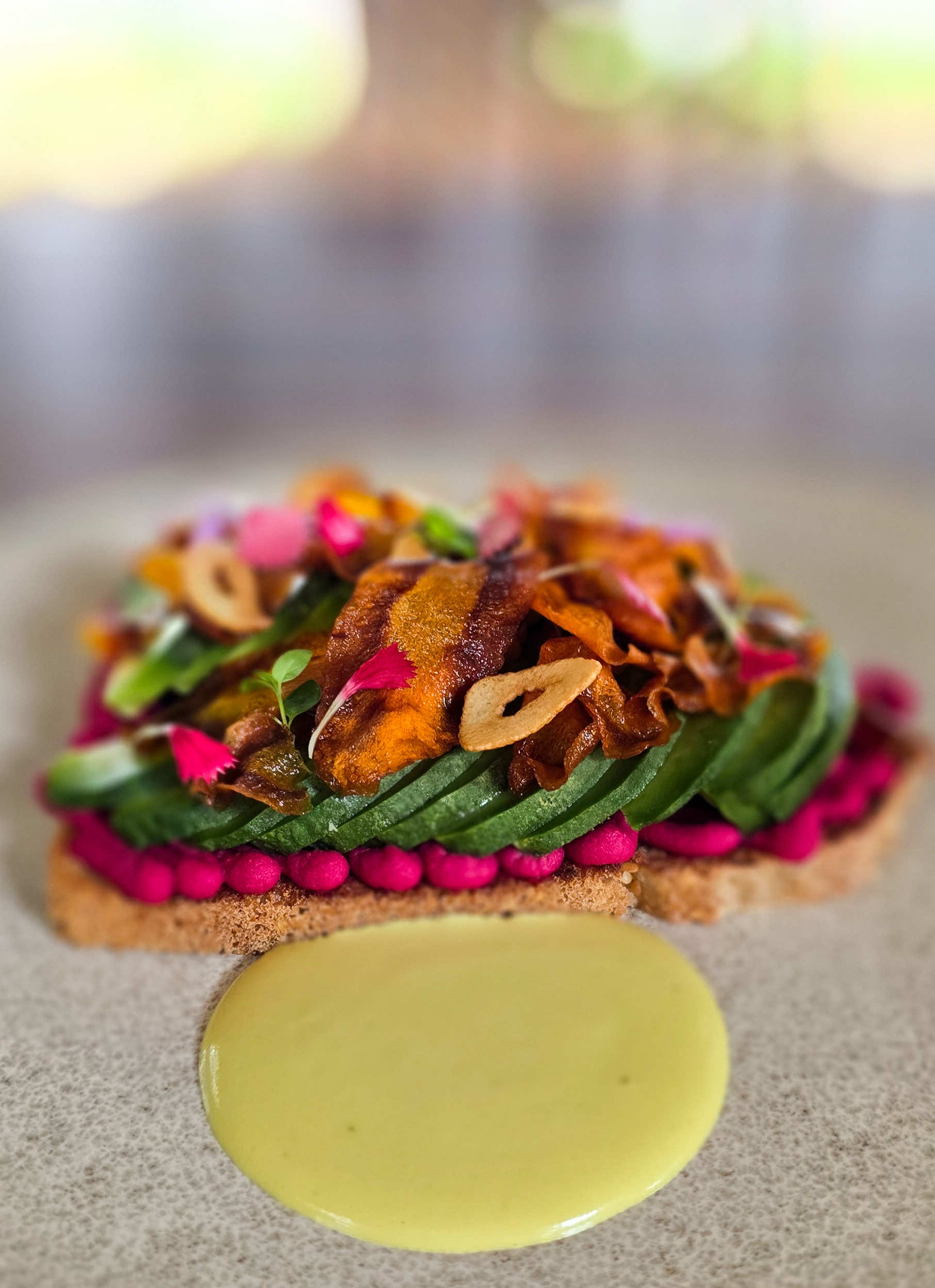
Chef Arabella Parkinson designed the menu and now mentors the kitchen team, weaving together sustainability, food justice, and Ayurvedic principles into dishes that are both nourishing and celebratory. The food is so distinctive that Sashwa may become as well-known for its cuisine as for its philanthropy. Over breakfast — overnight oats with pear, chia, rooibos, salted caramel, and hazelnuts — I admitted to Eastwood that I am not much of a meditator.
“I’m not either,” he laughed. “And I haven’t done much yoga lately. Luckily, those are just some of the things you can do here.”
Beyond Fences: A Vision for Collaborative Conservation
Many Koru and Sashwa staff come through partner NGOs such as Wild Shots Outreach, which provides training and workplace experience for young people in a region with limited employment opportunities. Eastwood remains closely involved in both projects, though he says he is eager to step back as his team grows stronger.
Projects like Koru and Sashwa inevitably attract scepticism. Critics may question the scale of impact, the role of an outsider, or whether such initiatives can meaningfully address deep structural inequalities. Eastwood does not dismiss these concerns. But he chooses to focus on what is possible: access to nature, education rooted in experience, and a generation of young conservation leaders who see the bush not as distant or elite, but as home.
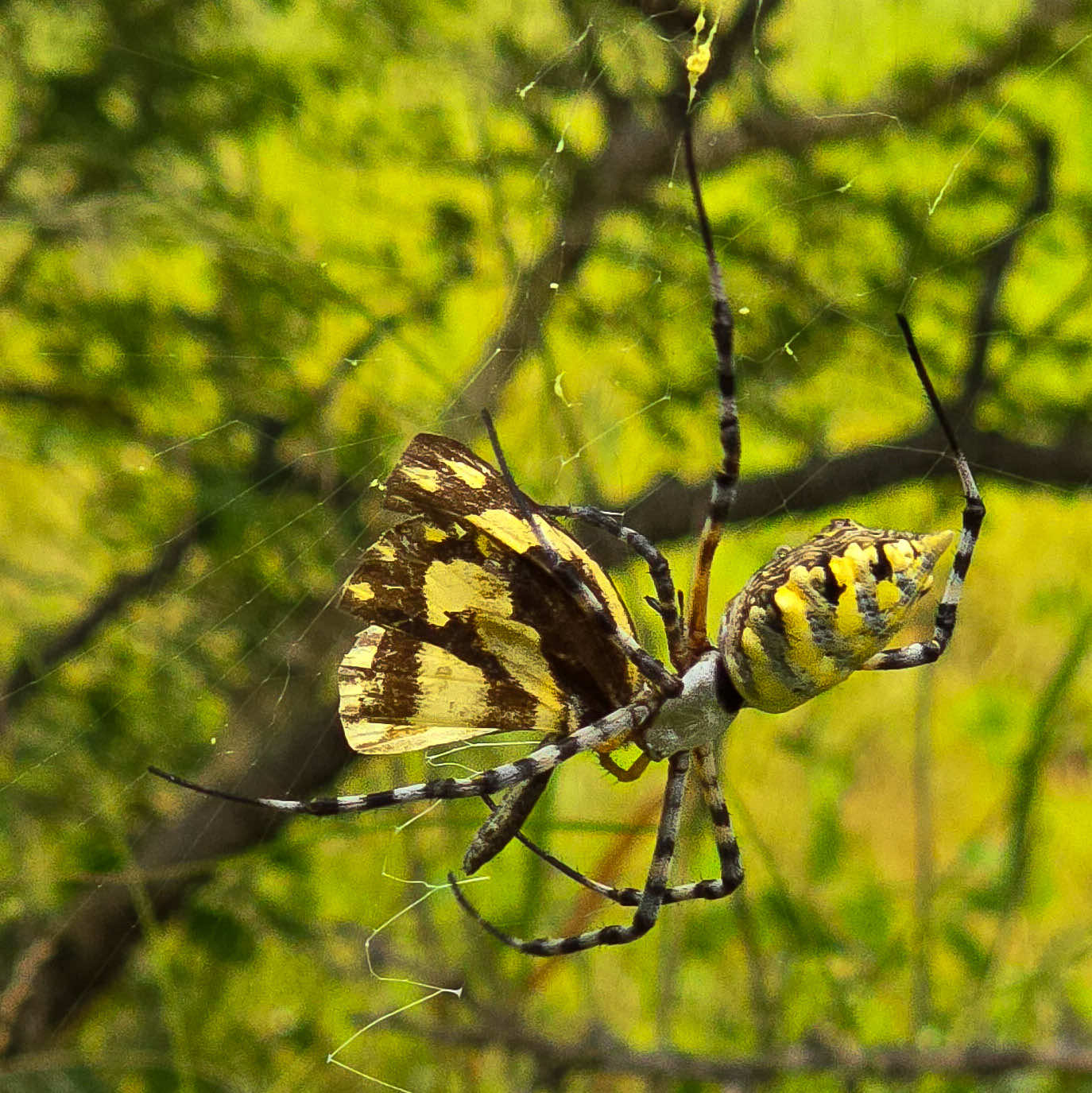
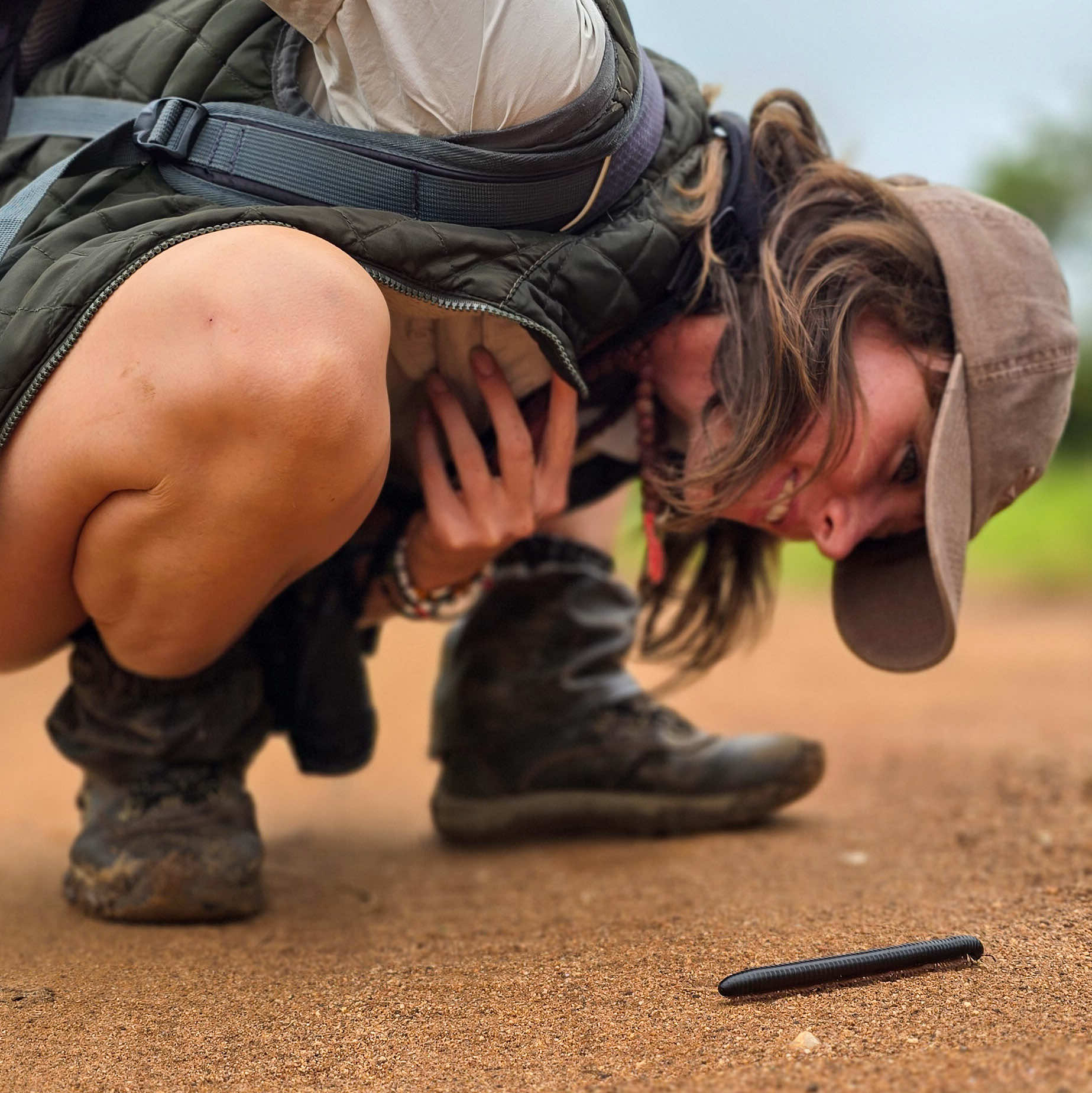
“The more you know about the bush, the more you love it,” he says. “You start with a one-dimensional view, then you begin to see connections — the dung beetle and the elephant, the cuckoo laying its eggs in another bird’s nest, the birds that migrate from here to Siberia and back every year.”
For some visitors, that first sight of elephants will simply be awe. For others, it may mark the beginning of a deeper belonging to this landscape. As the herd moves quietly up the bank and into the trees, it feels clear that Koru’s story — and Sashwa’s — is still only beginning.