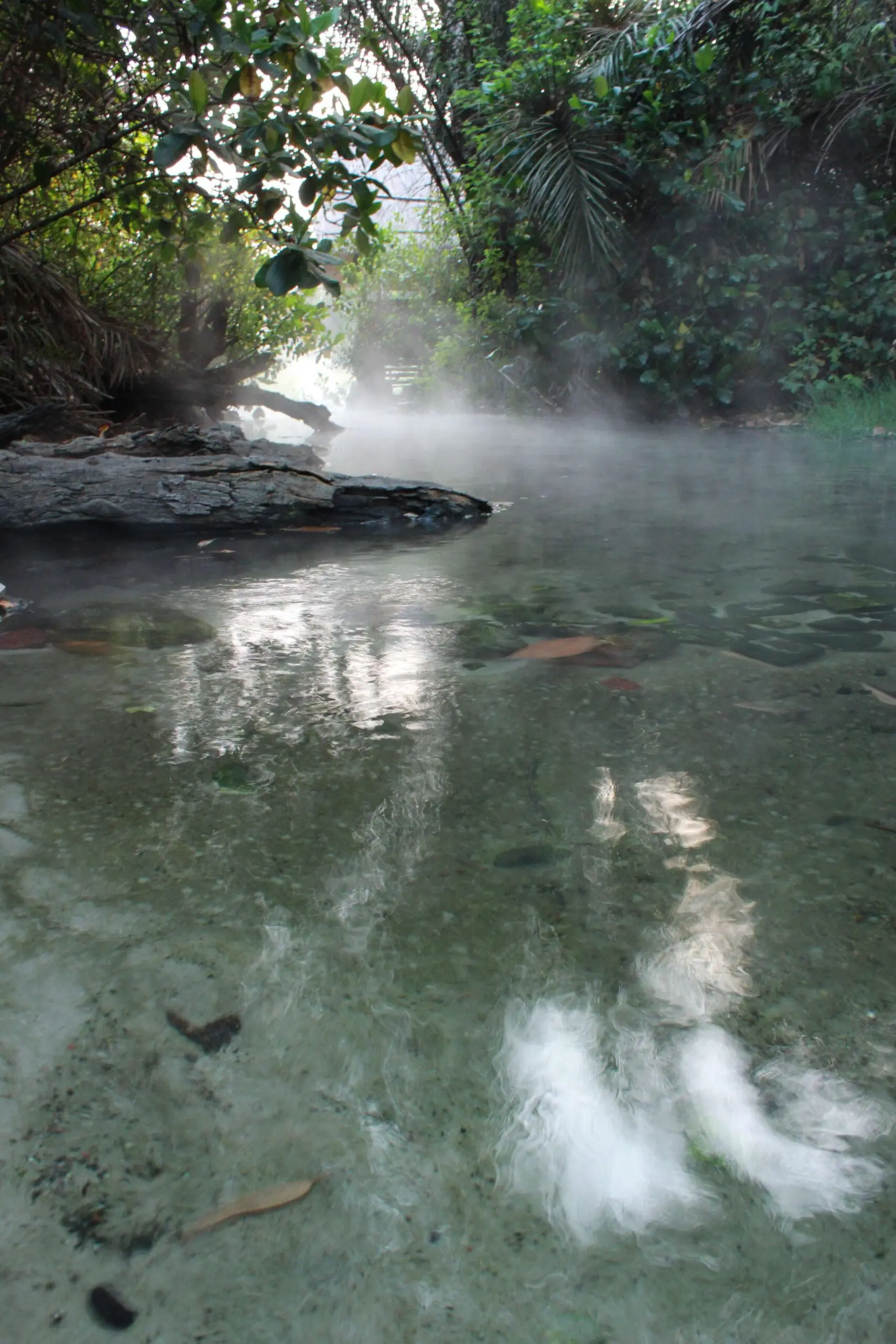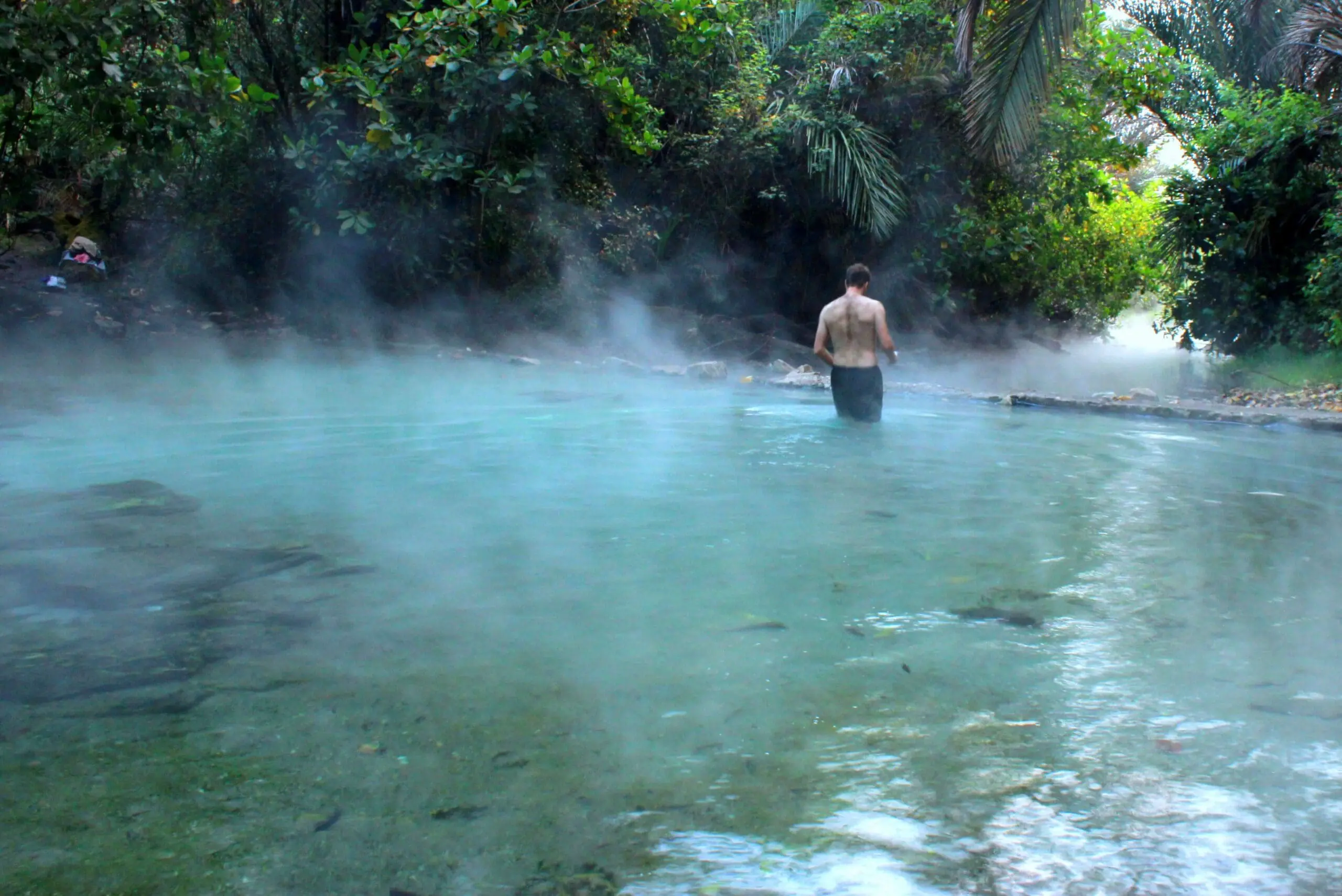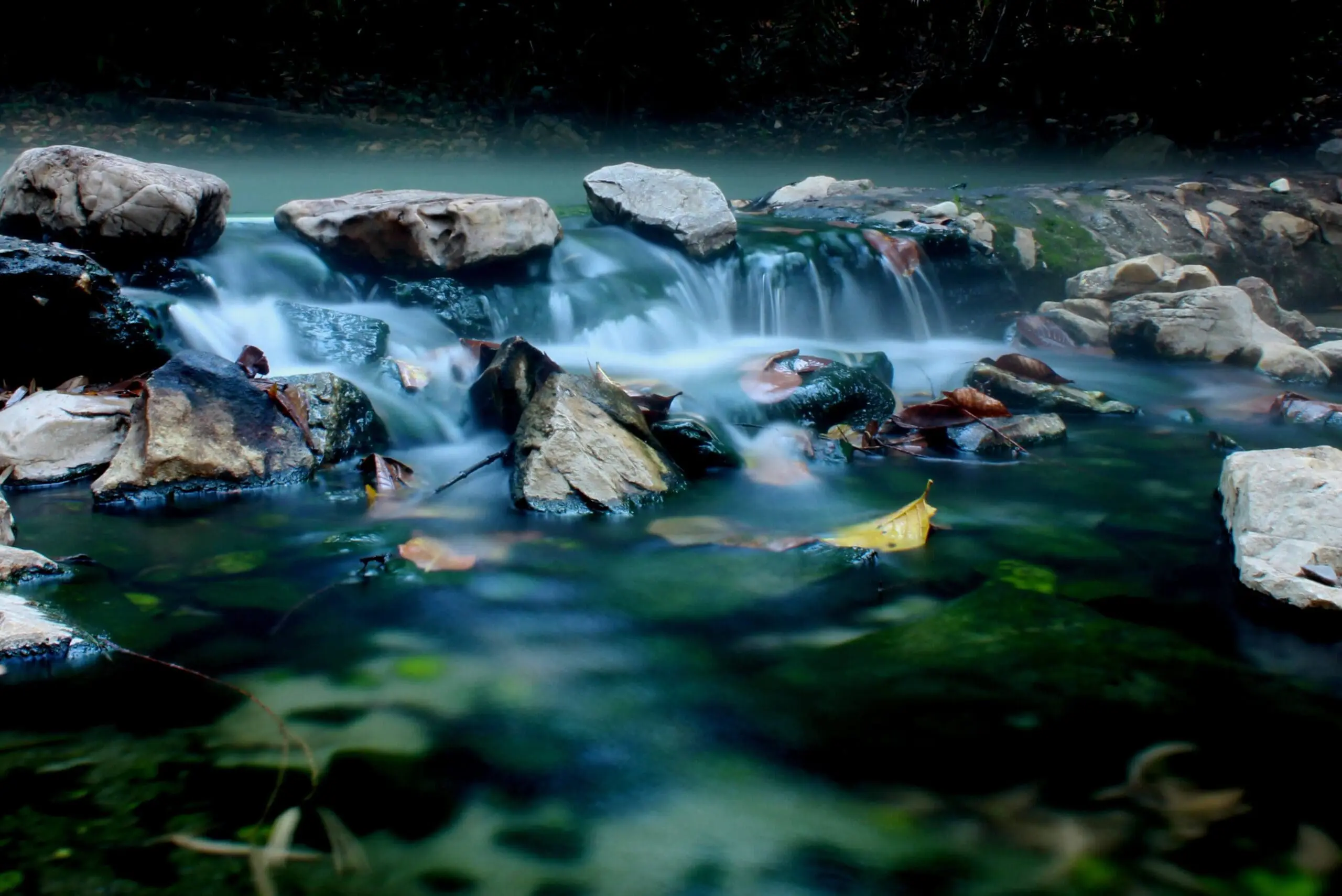
I’m unprepared for the feel of the bubbles against my weary calves as I step into the clear water. They tickle my legs like warm soda as my feet sink into the fine, smooth sand that lines the large pool. As the earth exhales, a light mist caresses the surface where the 40 degree water meets the much cooler evening air. Settling into the sand, I can feel the stiffness of yesterday’s hike through Zambia’s Bangweulu Wetlands and today’s long drive to Kapishya Hot Springs begin to leach out of my limbs. I idly move my feet in the sand, enjoying the feeling of mild exfoliation. Warm bubbles roll slowly over my body, replaced by an endless stream generated somewhere deep within the earth. My breath slows. The moonlight filters through the raffia palms and I return, for a time, to the womb.
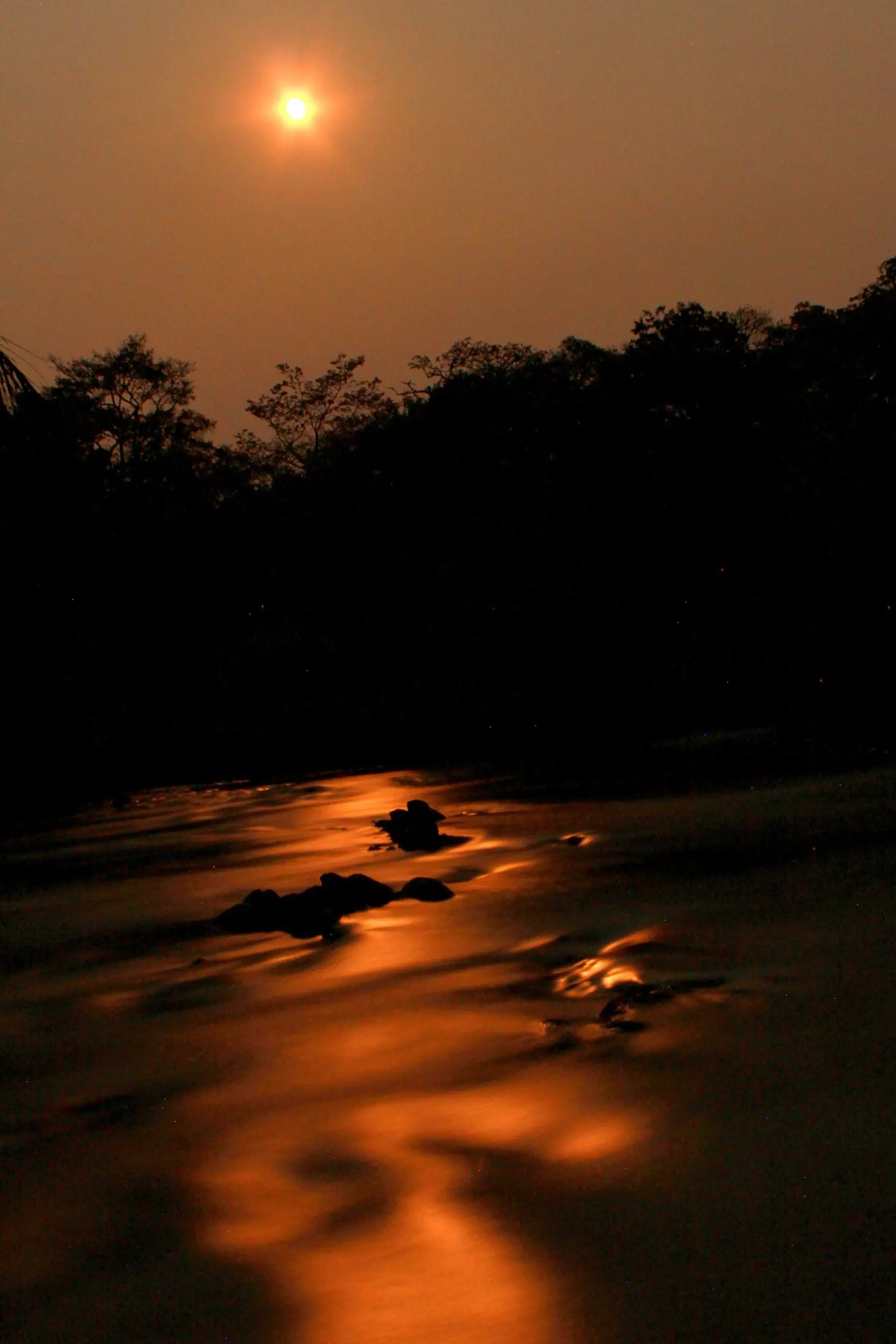
Slowly the night sounds begin to register; crickets, an African wood owl and the constant whisper of the Manshya River just a hundred metres away. It’s nearly 10pm. I shift around a little, feeling eddies of heat move with me. Eventually emerging from my watery trance, I reach for my towel. Mist curls around my body in ethereal wisps. I shiver a little and head for my tent, leaving the hot springs to sigh into the moonlight.
Crawling into bed, is it hyperbole to say I feel reborn? Perhaps, but hot springs tend to have this effect on people. All over the world, they are sought out for their soothing influence or ‘healing’ powers. Some are imbued with magical properties and credited with the ability to heal, restore and revive. The Japanese Onsen culture of spring soaking comes to mind and in places known for their geothermal activity, like Iceland, entire tourism routes have sprung up around these natural phenomena.
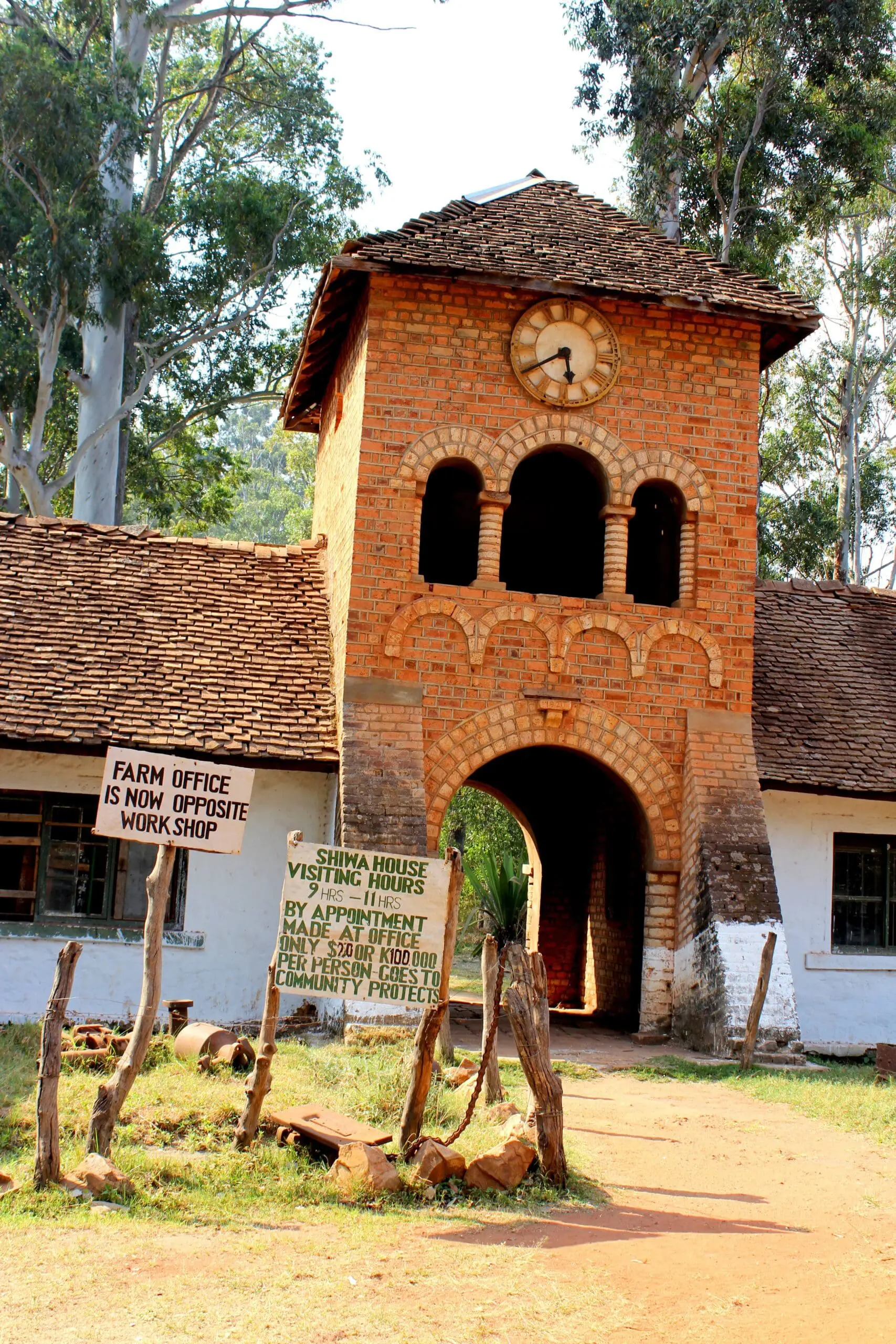
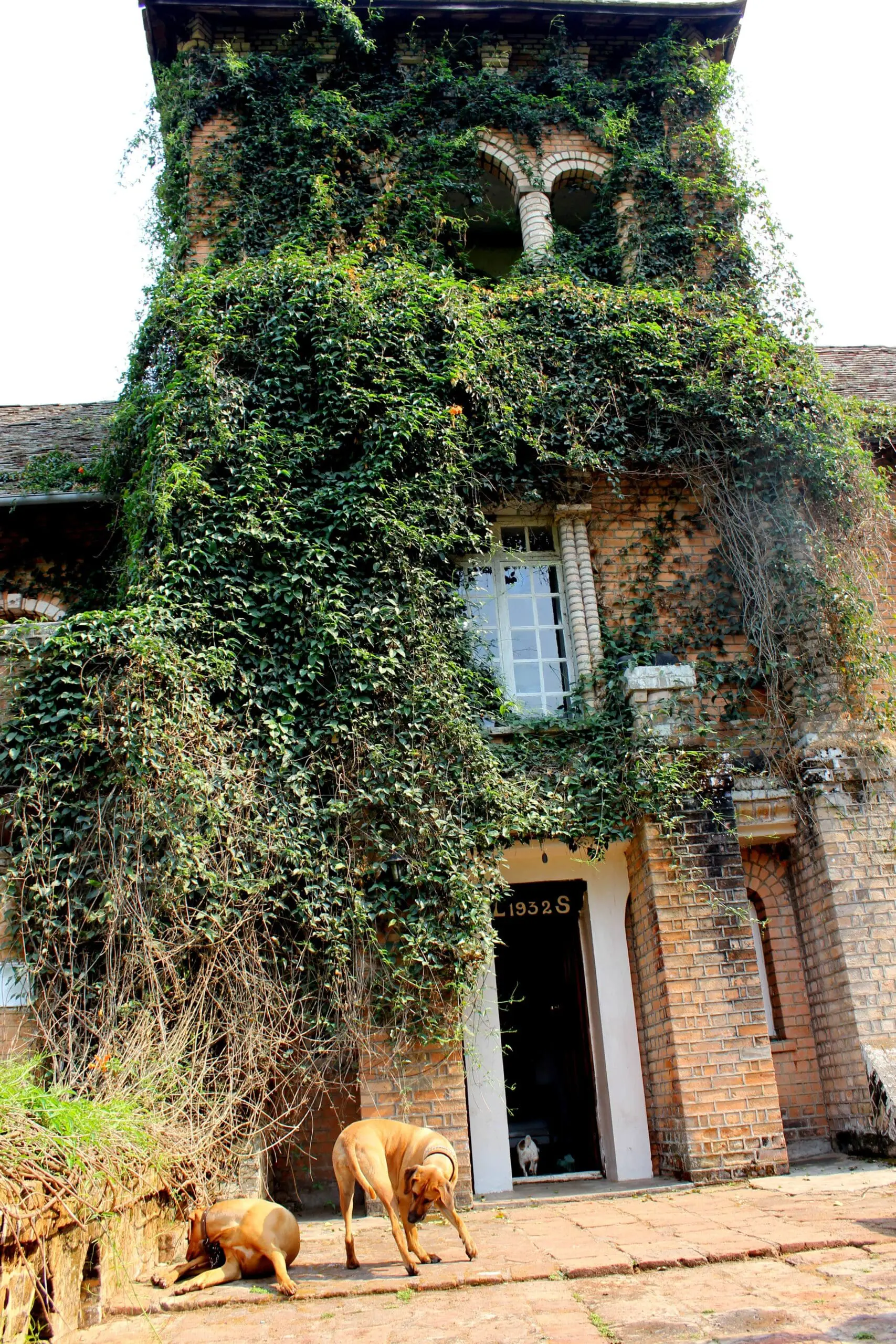
Although the springs have long been used by his family for romantic moonlight bathing and picnic excursions, land-owner Mark Harvey’s father only built the original chalets back in 1980 as a self-catering venue. Since taking over the management of the property in the late 1990s, Mark and partner Mell have established a thriving business, about 20 kilometres from the famous ‘Africa House’, Shiwa Ng’andu, built by his grandfather, Stewart Gore-Brown.
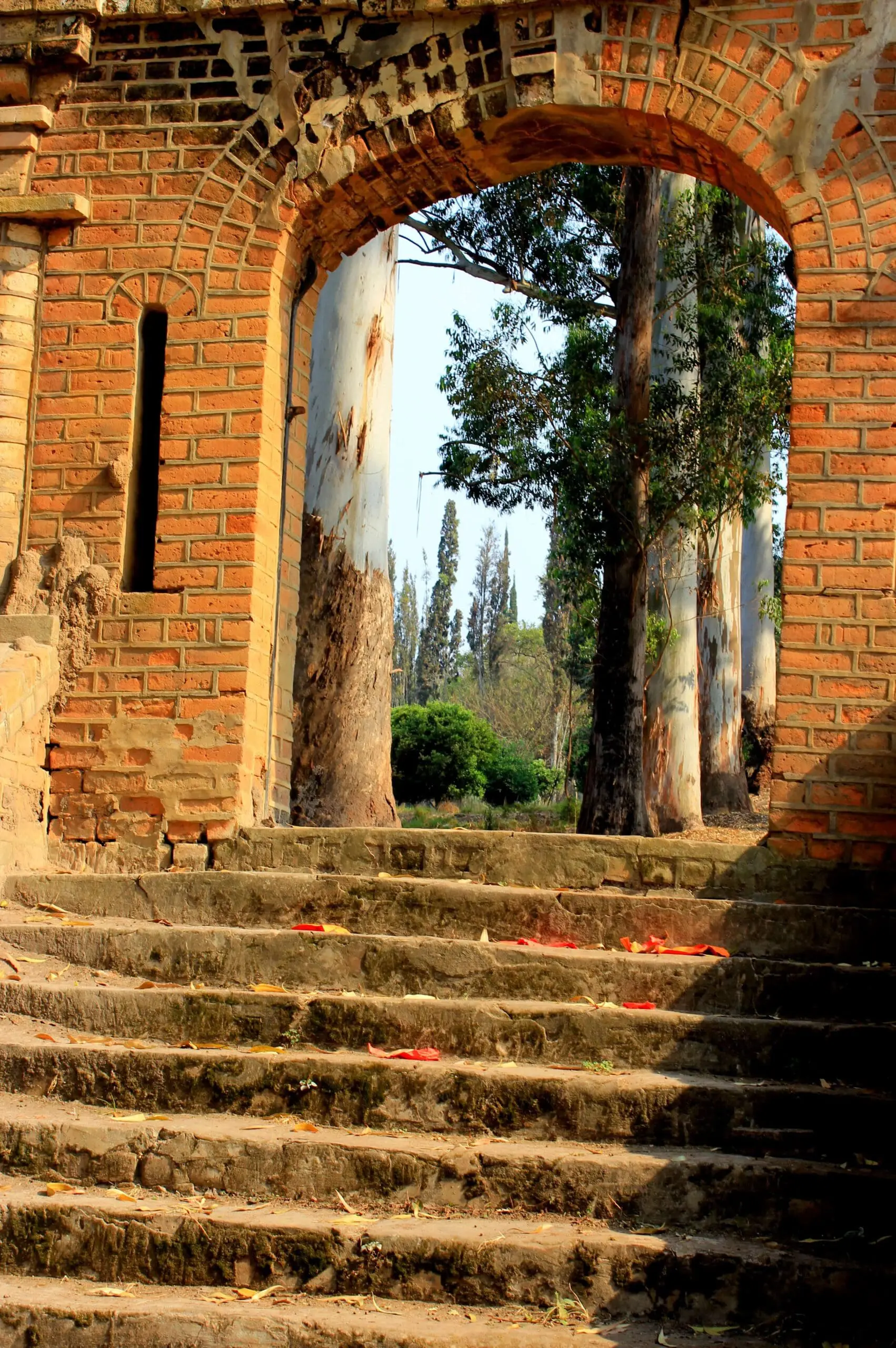
Modelled on Gore-Brown’s idea of a utopian English-style estate, it was built in the 1920s using mainly local materials and labor to make the bricks, the lipped clay tiles and even the furniture copied from European designs. As supplies took 3 weeks on average to make the more than 600 kilometre journey from the nearest railway line (including long sections by foot and canoe), Gore-Brown created his own village on the estate, with schools, a hospital (which was later given to the Government), shops, a post office and various clubs. Construction continued into the 1950s. After decades of neglect, the house was restored in the early 2000s, giving visitors incredible insight into the drive and ambition of the eccentric Englishman and the unique lifestyle he created.
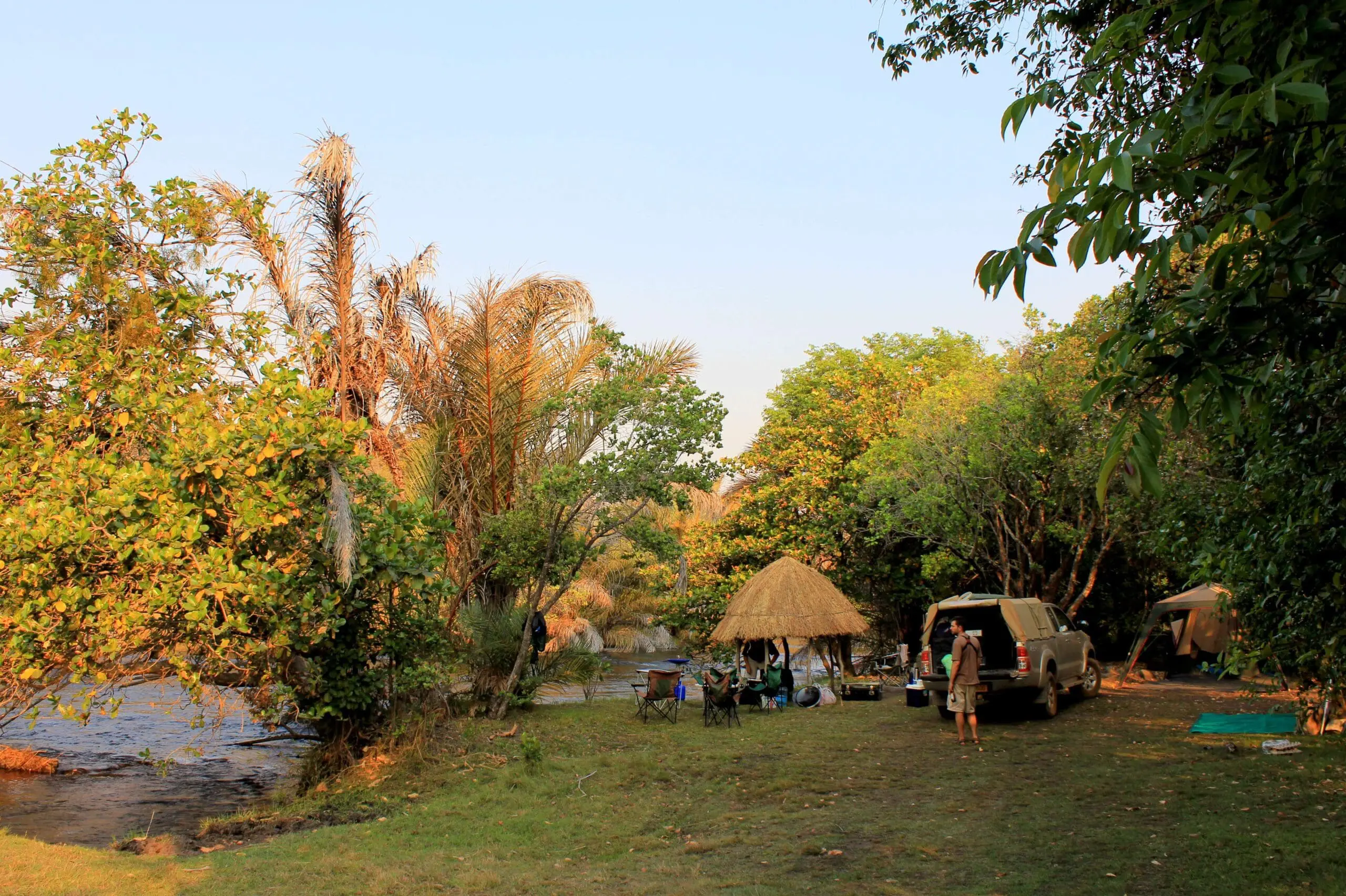
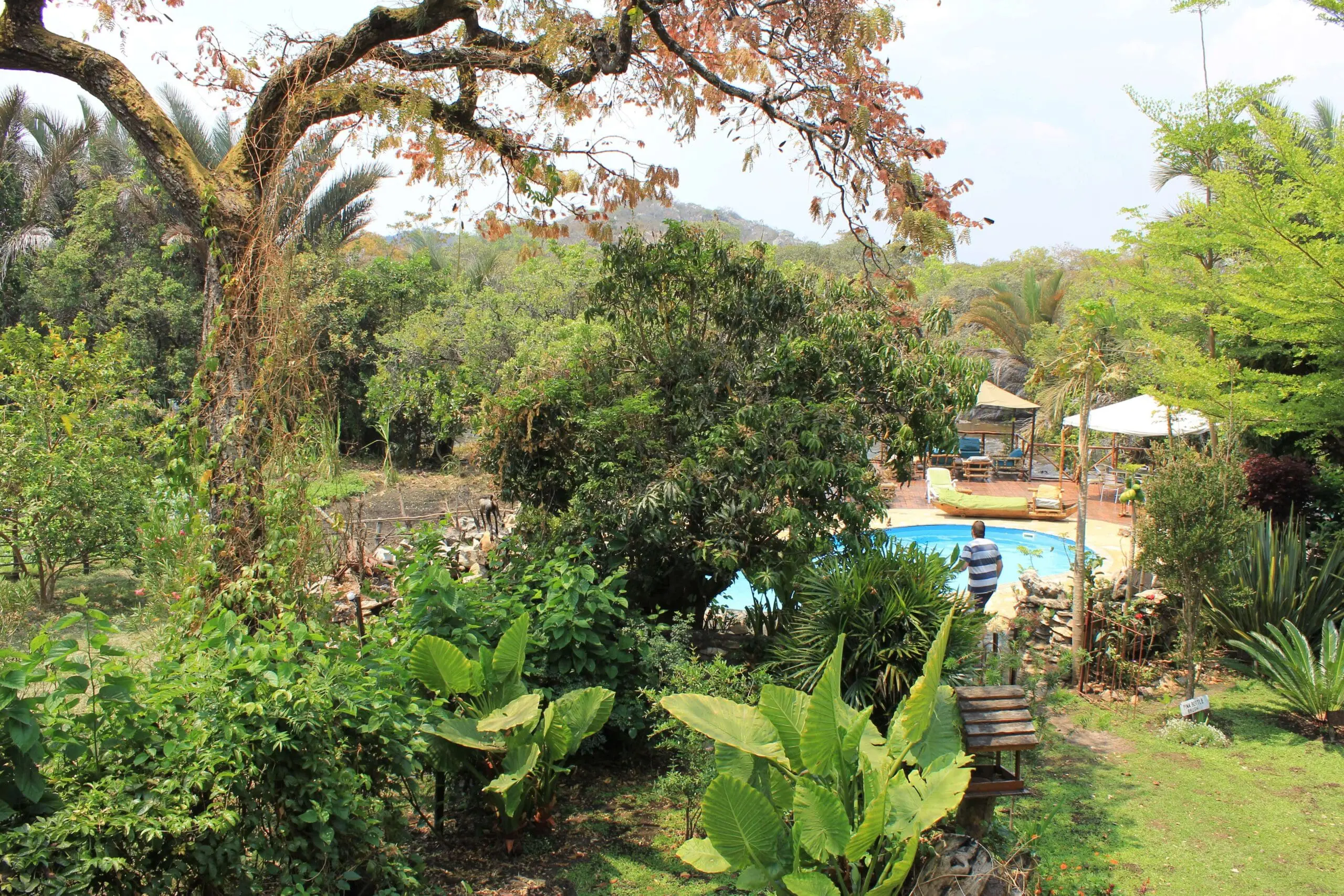
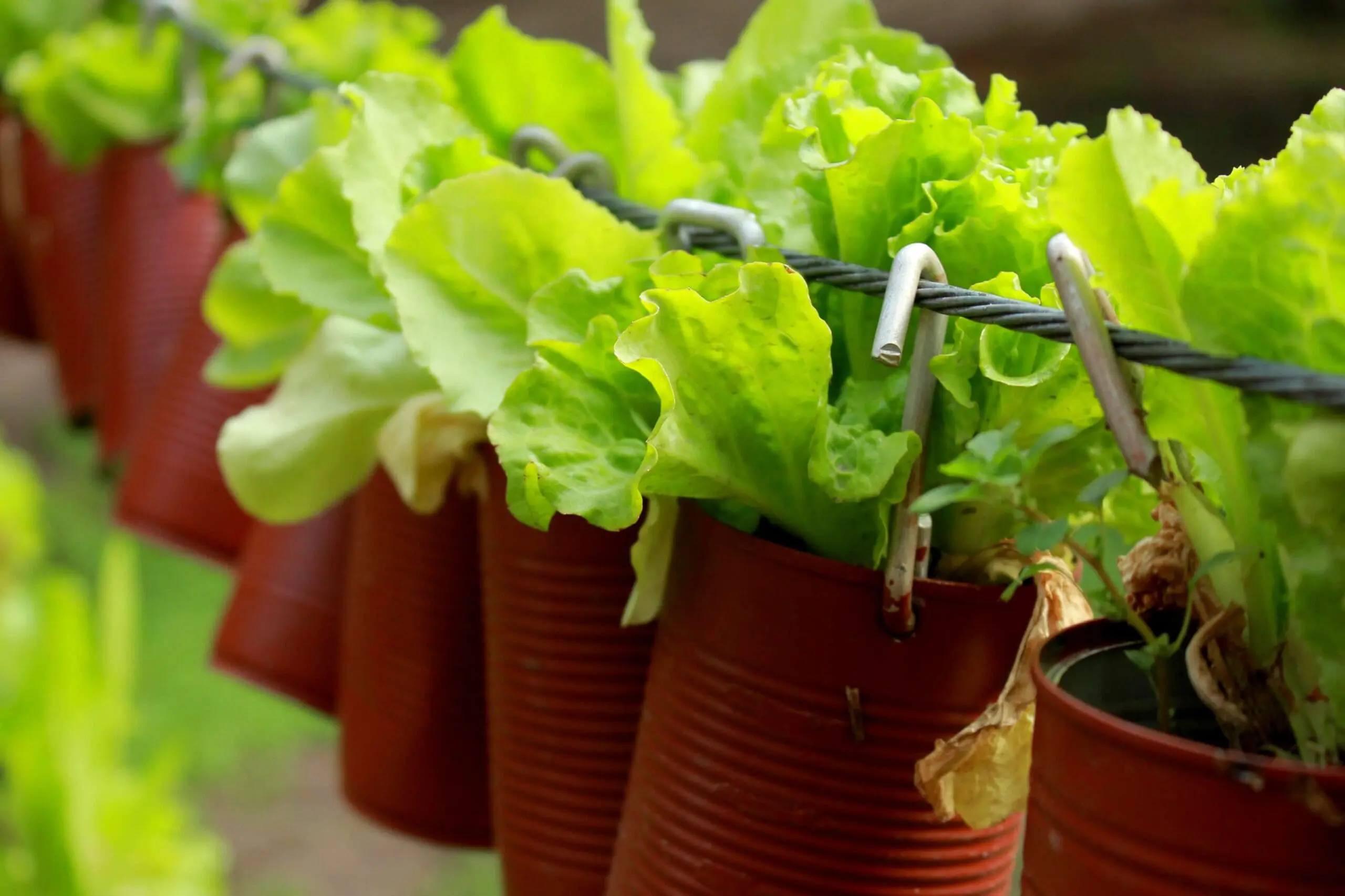
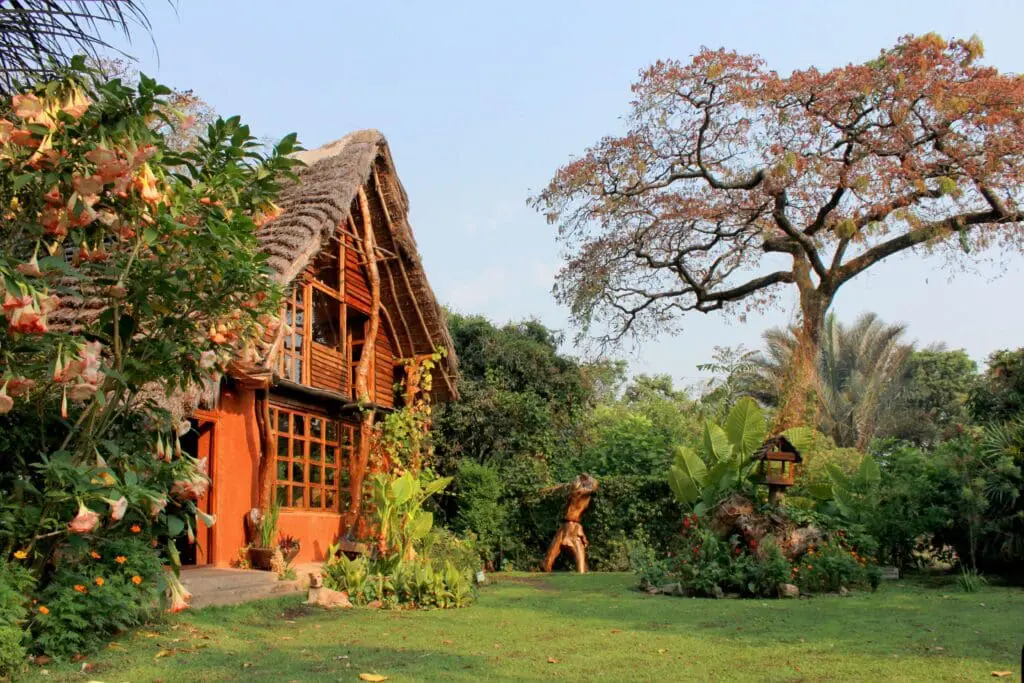
The Camp at Kapishya is a less formal affair set in an enchanting garden, with a number of short walking trails around its edges. Its large organic vegetable patch keeps the kitchen supplied with fresh produce. Building on a long tradition of self-sufficiency, they make their own cheese, sausages and cured meats on the estate and generate their own power. “We have tried to keep the spring as natural as possible and have kept the vegetation as is,” says Mark, who remembers learning to swim in its warm waters and visits with his strict, imposing grandfather, Gore-Brown.
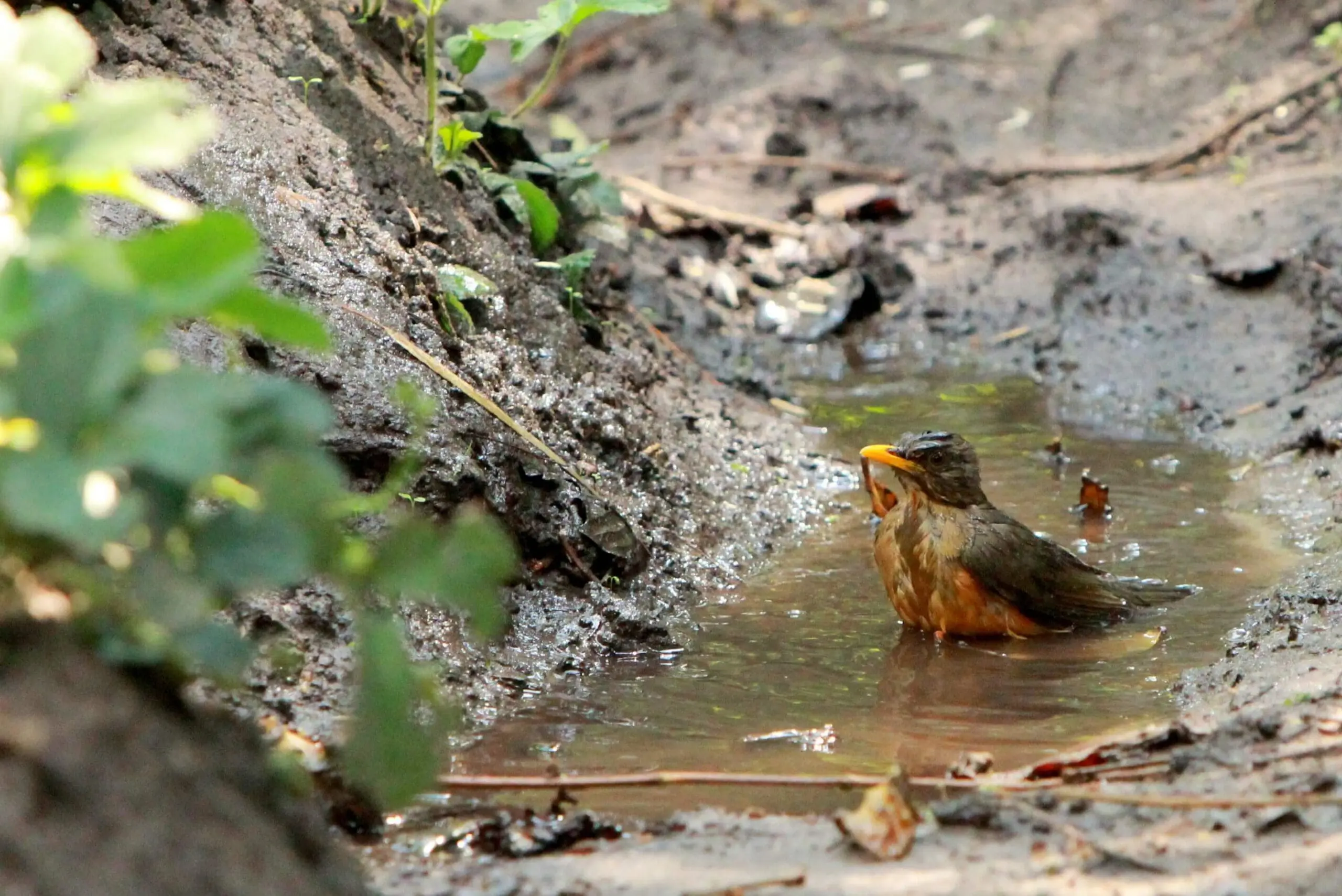
After a morning’s birding and a delicious early lunch of egg foo yong (with 7 types of lettuce from their garden), washed down by an ice-cold Mosi beer, I return to the pool; now a blend of blues and greens reflecting the clear skies and tall trees around the softly spilling water. There is no mist at midday, but the waters are no less alluring. Artfully dammed for better wallowing, the spring spills over a low wall into a stream, being constantly replenished at a rate of 5 litres per second. The vibrant blues, reds and yellows of Lady Ross’s Turaco flash in the canopy and I hear a black-backed barbet call. My morning count of 40 birds has already yielded a Bocage’s akalat, Laura’s wood-warbler and a yellow-throated leaf-love, giving me very little incentive to leave the magic pool.
“Hot springs are often considered magical,” concedes Professor Eliot Atekwana, who has studied the hot springs of the East African Rift Valley in Zambia, Malawi and Botswana. “They have been traditionally considered in most regions as having, or being the source of sometimes-supernatural powers. They are said to provide cures for all kinds of aliments, are used for rituals, or considered to be fountains of youth,” he says. “On our travels, we observed individuals collecting water and throwing it over themselves and asking for favors. Some even took water to give to loved ones and sick relatives. In some practical cases, we saw villagers using water from hot springs to ferment cassava, taking advantage of the benefits of accelerated fermentation,” he observes. While the actual effects of bathing in hot springs may be more modest than their mythology suggests, they do occupy a unique place in our cultural consciousness.
The springs at Kapishya are no exception, with their own legends, stories and history of practical use. The Bemba people have long regarded them as a place of magic, to be feared, suggests Mark. “There is also evidence that the Bwata (bushman) people used the springs as we have found stone tools and pottery in them.” Having lived on the property for more than a century, his family’s memories are intimately linked to the land that gives rise to these springs, which gurgle up from deep within the earth.
I later learn that the spring issues out from the ground at several locations in a diffuse pattern, explaining the delightful bubbling sensation that varies in intensity depending on where in the pool you are. Although it sometimes feels like you’re sinking into the sand, the bottom of the pool comprises of stable sediments and the smooth soft sand particles that I can’t resist running my hands through.
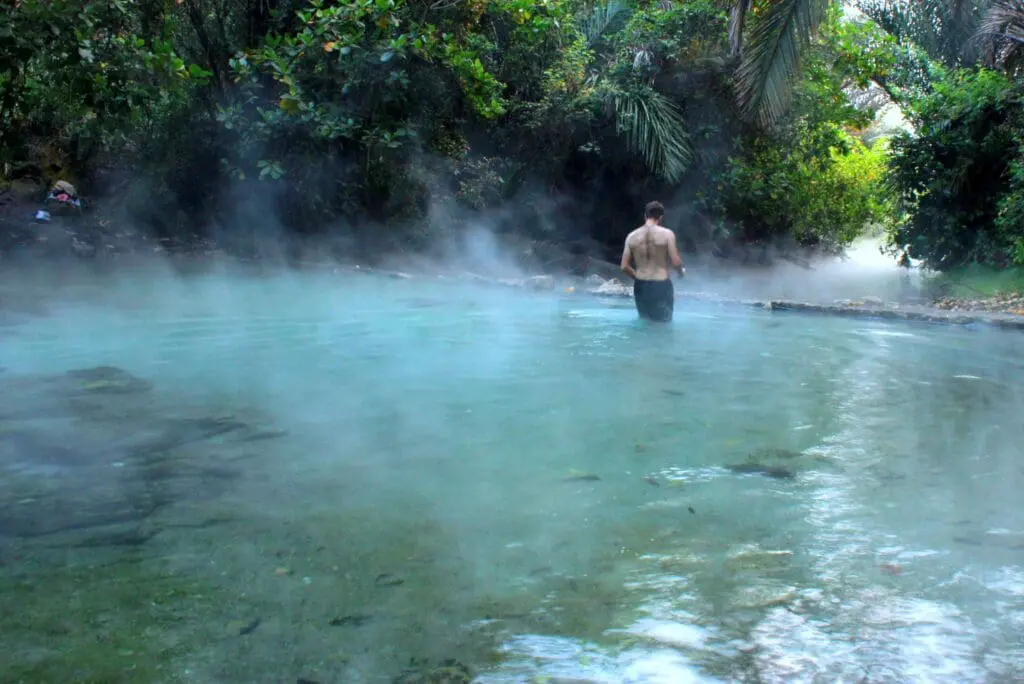
The chemical composition of the spring water is also rather surprising. “It has high clarity and low amounts of dissolved solids. In addition, the pH is close to neutral and the sulfur concentrations are extremely low,” explains Professor Atekwana. Because of the low sulfur concentrations, the spring does not smell like rotten eggs as some other springs do. There are also no marked variations in temperature and the vegetation around Kapishya is very normal, with healthy riparian mushitu and a good diversity of avian and insect life.
What’s happening beneath the springs through is extraordinary. “Hot springs form when water from the surface or underground is transported deep into the earth, heated and then brought back to the surface,” the professor explains. The closer it gets to the heat source, in conduits such as faults, the hotter it becomes. Temperatures increase at a rate of about 25º per kilometre “Springs can also be warmed from heat from the earth’s upper mantle when magma comes into contact with an underground water source,” he continues.
While hot springs occur all over the world, in jungles, deserts, arctic landscapes and urban centres, they are all the result of high levels of tectonic activity associated with volcanic activity, volcanic plumes and rifting; the process by which continents break up. In the context of the East African Rift Valley, rifting results in the unique “plumbing system” and the heat source to heat up the water, says the Professor.
Kapishya’s hot springs are associated with a young and active continental rifting zone. This makes them particularly interesting to study. The solutes dissolved in the water, which come from rocks broken down during its journey through the earth, can be analyzed. This gives amazing insight into processes that occur deep within the earth, “helping us understand how continents break up”.
I may not be thinking of this as my already soothed limbs again melt into the warm water. But as I watch the moon rise, deep within the earth, continents shift.
Hot spring hot spots in southern Africa
Palm Springs, Nambia – well deserved after hiking in some seriously tough terrain!
Although the commercial resort at Ai Ais gives access to some of the area’s best-known springs, get out and enjoy the ones in nature instead. About 15 kilometres into the Fish River Canyon hiking trail, you’ll arrive at Palm Springs. Although sulphurous, your tired muscles won’t mind the smell as you soak in the warm water after the challenging terrain. Although about 60 º at source, the spring is the perfect temperature where it meets the river. Wallow in the rock pools and take in the wonder of the spectacular natural landscape. Or bathe at night and marvel at the stars. Email Namibia Wildlife Resorts on ct.bookings@nwr.com.na for bookings.
Riemvasmaak Hot Springs, South Africa – supporting a community tourism success story.
These remote springs in the Green Kalahari pool into natural baths in a unique, rocky landscape studded with camel thorns and shepherds’ trees. During apartheid, the people who lived in this rugged landscape were forcibly removed and the land was used for military training. The Riemvasmaakers successfully reclaimed their land after democracy in 1994. Today, the Riemvasmaak Community Conservancy is 75 000 hectares of land between the Orange and Molopo rivers. Along with the springs, visitors to the reserve can also explore hiking and 4X4 trails, comfortable self-catering accommodation and opportunities to get to know the area’s unique culture. Email damaraclarissa91@gmail.com for bookings or contact Green Kalahari Tourism on +27 (0)54 337 2800 for more information.
Shu Shu Hot Springs, South Africa – secret, seasonal and completely uncommercialised.
The Shu Shu Hot Springs are on an island in the Tugela River in KwaZulu Natal. They’re only accessible when the river is low enough to access them, usually in June and July of each year. They are not commercialized and access can only be arranged with the permission of Chief Bengu and Hannes Loedolff, Chairperson of the ShuShu Campers Association, who signs an annual lease with the chief for the use of the 50-odd campsites on the 20 ha island. There is no lodge, no spa and no facilities – just rustic campsites set in rural splendor. Loedolff’s family has been visiting the springs annually since 1931 and other family’s for even longer. You need to dig your own toilets and ferry in your own supplies – meaning holidays here haven’t changed much in more than a hundred years. This tight-knit and loyal community book their annual spots well in advance, but new-comers are welcome – if space allows. The waters are between 42 º and 46 º and clothing is optional! Email Hannes on loedolffam@gmail.com for more information.